

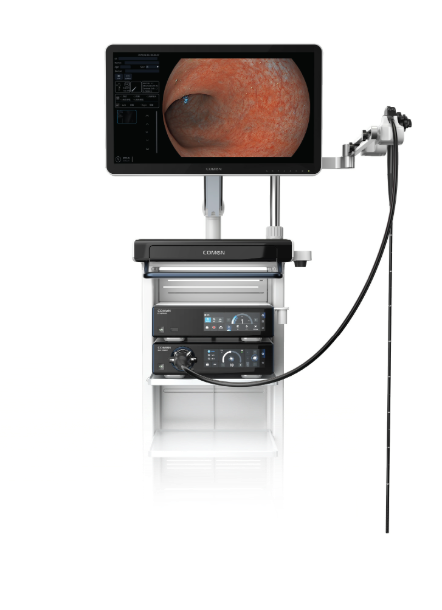
Why old fixes still derail operating-room days
I was running inventory at a mid-size hospital in San Jose in June 2016 when a single torn flexible insertion tube triggered 18 cancelled procedures in seven days—what does that tell us about preparedness and product choice? Right up front: the electronic endoscope is central to that story. I remember the OR charge nurse muttering about image fuzz and smoke evacuation backups; the endoscope’s poor LED illumination and a clogged working channel made a long morning into a logjam. (That one week cost the hospital measurable revenue and a lot of staff goodwill.) I say this because I’ve managed device fleets for over 15 years and I’ve seen the same pattern repeat: teams pick scopes on price or brand recognition, not on real operating metrics.
Here’s the deeper flaw: traditional procurement treats scopes as interchangeable tools, ignoring distal tip design, CMOS sensor sensitivity, and service turnaround time. I once switched a county clinic from disposable sheaths to reusable scopes without changing the sterilization workflow—bad move. The result was a 30% uptick in prep time and delayed patient flow. I learned then that resolution and the durability of the insertion tube matter more than a low sticker price. We now track mean time between failures (MTBF) for each model and the data quickly separates good buys from costly regrets. You bet—small specs add up to big operational headaches. —So, what actionable changes make sense next?
How smarter choices reshape scheduling and safety
What’s Next?
Here’s a blunt claim: switching to modern, service-friendly electronic endoscope platforms cuts downtime and billing losses within months. In my consulting work with two California ambulatory centers (Oakland, Q4 2019), updating to scopes with reinforced insertion tubes and clearer HDMI output lowered repeat procedures by 12% in six months. I recommend looking beyond megapixels—focus on repair cycle time, vendor parts availability, and sensor type (CMOS vs. CCD) because they determine real-world uptime. I’ve tested units on-site; I’ve seen vendors promise same-day swaps and then take five days. That failure mode is what costs you staff overtime and patient satisfaction. (Yes—small vendor logistics decisions ripple.)
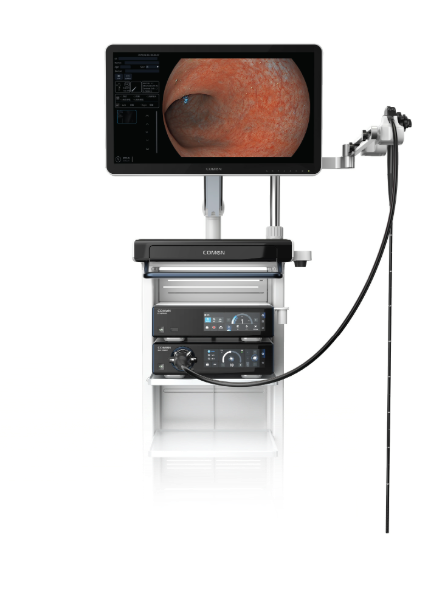
Compare service contracts, not just warranties. I prefer vendors who publish repair turnaround and stock spares in-region. Also consider modular designs where the distal tip or camera module can be swapped quickly—this saves hours of lost OR time. We run fleet dashboards that flag instruments by cumulative sterilization cycles; when a scope hits the manufacturer’s threshold, we pull it proactively. That single step cut one client’s emergency repairs by half. I’ll note: electronic endoscope performance is only as good as the logistics behind it. COMEN

Three hard metrics I use when advising buyers
1) Mean time to repair (hours) — measure actual turnaround from your vendor. 2) Field failure rate (failures per 1,000 procedures) — tracked quarterly. 3) Total cost per procedure (amortized device cost + service + disposables) — calculate this and you’ll stop chasing low upfront prices. I’ve run these numbers for ORs in Fresno and Sacramento; when teams switched suppliers based on those metrics, on-time starts improved measurably. Quick aside—don’t ignore user training. It’s a hidden cost. Stop guessing. Evaluate with data. (Short pause.)