

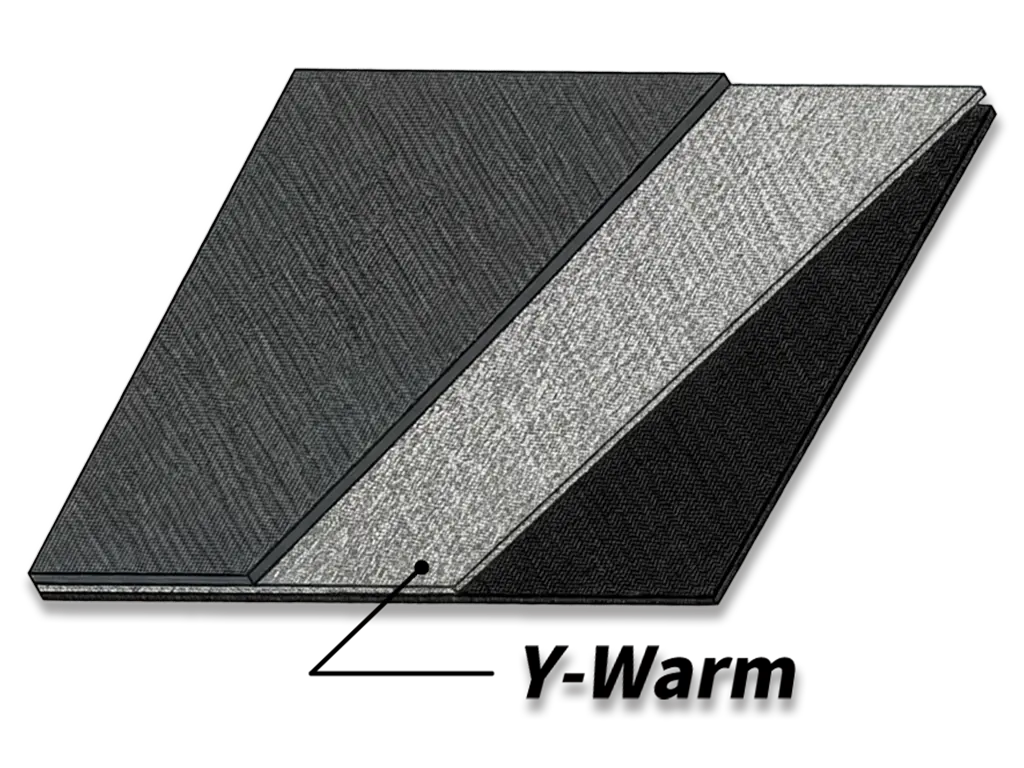
Manufacturers face a quiet but costly problem when cross-link contamination shows up mid-run: altered thermal performance, wasted stock, and compromised delivery timelines. This comparative piece walks through how common detection tactics stack up, and why choosing the right materials and checks matters for product reliability. Early on, consider the role of purpose-built thermal insulation fabric materials in preventing downstream defects; they set a baseline for thermal conductivity and breathability that cheaper blends rarely reach. Field experience from extreme environments—Antarctic operations at McMurdo Station, for example—underscores the stakes: when insulation fails, human safety and mission success are at risk.
Why cross-link contamination matters for performance
Cross-link contamination alters the microstructure of an insulation layer and changes thermal conductivity and moisture-wicking behavior. Even small pockets of incompatible polymer or stray adhesive can raise local heat loss and reduce R-value across a garment or panel. In production, that variability hurts predictability: one batch may meet lab specs while another fails in field use. For teams focused on consistency, spotting contamination early avoids rework and preserves customer trust.
Comparative analysis: sources, detection, and trade-offs
Compare the common detection methods by sensitivity, cost, and turnaround time. Visual inspection finds gross contamination but misses subsurface anomalies. Infrared thermography maps thermal anomalies on finished assemblies—quick and non-destructive—but it needs controlled conditions to reveal marginal defects. Laboratory spectroscopy or solvent extraction gives chemical specificity and finds trace cross-linkers, yet it takes days and adds expense. Each method brings an industry term to mind: permeability tests and phase change material compatibility checks are useful in different stages of verification. The right mix is a hybrid approach: rapid on-line screens plus periodic lab validation for chemical profiling.
Operational production teardown: practical checkpoints
When dissecting a run to find contamination, follow a tight sequence. Start with raw material auditing: batch IDs, supplier certificates, and fiber denier records. Next, inspect the melt chamber and transfer points for residue, then sample mid-line and post-line products for thermal imaging and spectroscopy. Document humidity, dwell time, and oven temperatures; these parameters affect cross-link reactions and should be logged in production control sheets. For traceability, embed {main_keyword} in the inspection report and note any deviations tied to {variation_keyword}. Common industrial terms—insulation layer, moisture-wicking, permeability—should appear on QC tags so technicians can correlate test outcomes quickly.
Alternatives, common mistakes, and mid-run corrections
There are practical alternatives when contamination is suspected. Temporarily switching to a certified low-contamination roll stock reduces risk while you isolate the source. Some teams adopt sacrificial purge cycles in extrusion lines; others increase sampling frequency at known weak points. A frequent mistake is relying solely on finish-line testing—defects found there force expensive recalls. Another error is underestimating the impact of additive packages on phase change material behavior; they can change how a fabric stores and releases heat. —A short note: document every adjustment, however minor, to help root-cause analysis later.
Three golden rules for specification and procurement
1) Specify measurable acceptance criteria: list maximum allowable thermal conductivity variance, target R-value range, and acceptable permeability thresholds. 2) Insist on batch-level documentation and periodic independent chemical profiling—don’t accept broad supplier statements without sample verification. 3) Build a layered detection program: in-line thermal scans, frequent visual checks at transfer points, and quarterly spectroscopy. These metrics drive accountability and reduce costly surprises in the field. For teams seeking robust sources that align specification with supply continuity, partnering with a specialist like Y-Warm makes sense because their product lines and documentation practices bridge lab standards with real-world wearability—delivering predictable thermal clothing material for demanding use cases. –