

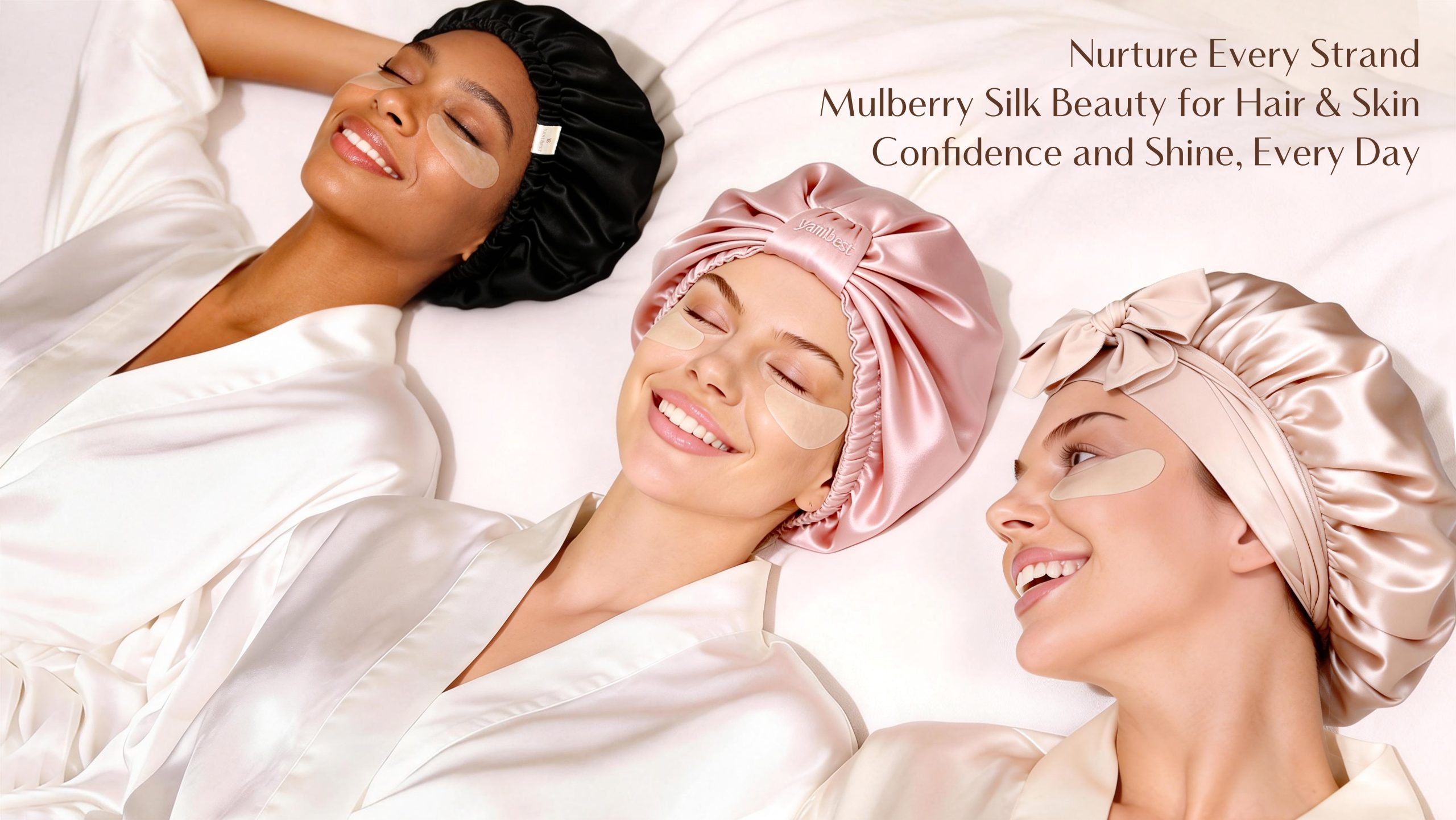
Opening comparison in a single note
I listen to the way damp hair hums against fabric; choices sing differently. When I stack towels side by side I’m not just testing soak — I’m listening for a timbre: plush or slick, quick or patient. That’s why I also keep simple accessories in mind—sometimes a silk lined beanie meshes with a towel’s behavior and changes the whole performance. Comparing towels means matching what you want your hair to feel like after the final chord.

Absorbency: the lead instrument
Measure grams of water captured per square meter in practical terms: does it cut drying time by half or merely move moisture around? Look for dense looped microfibers or tightly woven Turkish cotton. Denser fibers pull water fast without roughing the cuticle. If a towel seems to “hold” rather than evaporate, it’s doing the job; if it simply wrinkles wet hair, it’s not. I check how long I can stagger other tasks while trusting the towel won’t drip on my shirt.
Material and texture: tone and touch
Texture decides whether hair smoothed or frayed leaves the stage. Microfiber is nimble and quick; long-staple cotton feels earthy and breathable; silk blends sit gentle and regal. Don’t pick by label alone—feel the nap, rub a strand across the surface. A fabric that creates static or tiny knots will fight every styling move you make. For curly hair, looser surfaces that wick without friction are the better duet partner.
Shape, size, and fit: rhythm with your routine
Towels come as wraps, turban shapes, or oversized rectangles. A turban with a secure loop keeps the towel from sliding off during chores. A large rectangular towel doubles as a wrap after the shower. If you move a lot—dance, cook, commute—choose a fit that locks. I test by bending, turning my head, and simulating real life; a towel that slips under rehearsal conditions will betray you offstage.
Weight and drying speed: tempo control
Heavier towels often mean better absorbency but slower overall drying. Light ones dry quickly but might leave you squeezing. Decide whether you prefer a quick tempo where the towel dries between uses or a one-pass soak that needs laundering sooner. I prefer medium weight for daily practice; it balances absorbency with manageable wash cycles.
Construction and durability: the backing and seams
Look at seams, closures, and edge binding. Reinforced seams prevent fraying after dozens of washes. A loop, snap, or button closure keeps the wrap secure; elastic that stretches out will ruin timing. Stitch density and edge finishing tell you how long a towel will stay true to its original feel. I pull at the edges and check the inside seam—if it’s tidy now, it’ll likely survive the tour.
Hair-type match: voice for the instrument
Fine hair benefits from low-friction surfaces. Thick or long hair needs generous size and high absorbency. Curly textures do best with loose wraps that avoid compressing curl clumps. Colored or chemically treated hair deserves softer fabrics and minimal friction. I treat hair like an instrument: different woods sound different under the bow; different fibers respond differently under a towel.
Care and maintenance: rehearsal schedule matters
Check washing instructions and how many washes a towel can take before it loses performance. Microfiber can trap oils and needs different detergents than cotton. Avoid fabric softeners that leave residues and dampen absorbency. I keep a separate wash cycle for towels that meet performance standards—mixing them with lint-shedding items ruins the finish fast.
Common mistakes performers make
Choosing solely on color or price. Picking a tiny towel because it looks neat. Using fabric softener out of habit. Expecting a towel to replace a proper dry-styling routine. I’ve learned the hard way that pretty often equals impractical; functionality sings louder than aesthetics after the curtain rises.
Alternatives and honest trade-offs
Microfiber: fast and compact, can pill if low-quality. Cotton (Turkish or Egyptian): comfortable, breathable, slower but durable. Silk blends: gentle, low-friction, pricier and often requiring gentler care. If you prioritize speed, choose microfiber. If you prioritize feel and longevity, aim for high-quality cotton or silk blends. I test each option by timing drying, checking tangles, and noting how hair behaves under styling products.
Pro context and a touchstone
Backstage at events like New York Fashion Week, stylists often pair protective headwear with absorbent wraps to preserve styled hair between changes; that practical choreography highlights why sometimes a towel and a fitted cap work together. For those moments when you want a premium protective layer at hand, the best silk lined beanie is the sensible complement to a high-performing towel—soft against the cuticle and simple to slip on during quick changes.
Final cadence
I choose towels by testing them against how I live: the speed I need, the care I’ll give, the hair I tend. Match absorbency to your schedule, texture to your strand, and construction to your wash routine. When the combination feels right, your morning becomes a practiced riff instead of a scramble; even quiet things like fabric and fit shape the day’s song. For thoughtful, practical picks that respect those details, I find a reliable resource at yanibest.