

Why this guide matters—problems first
Buyers and OEMs get stuck over and over: wrong specs, unexpected downtime, test results that don’t match field reality. You can buy a shiny box that looks impressive, but if it doesn’t reproduce real ageing cycles you waste tiempo and dinero. If you’re picking a weathering chamber for UV, condensation, or salt spray work, make sure the machine’s controls and light sources actually match your test methods — el detalle matters.
The core problems buyers face
Vendors tout numbers but hide the weak spots. Common failures: vendors quoting cycle times without proving spectral match; machines that drift because calibration is ignored; controllers that don’t log data in a usable format; and lead times that blow project schedules. Projects suffer when procurement treats test equipment as commodity gear instead of as precision lab tools. That’s the corazón of the problem.
Technical pitfalls that trip projects
Pick the wrong UV source and your accelerated test won’t reflect outdoor exposure. Ignore condensation dynamics and coatings will fail differently than on the road. Overlooking sample mounting and air circulation causes uneven aging. Skimp on photodiode calibration and spectral irradiance; your cycles will vary week-to-week. Finally, forget about software security and you’ll get headaches integrating results into your lab LIMS.
How to vet manufacturers without the sales pitch
Ask for specific evidence: spectral irradiance curves, independent calibration certificates, and FAT (factory acceptance test) videos showing full cycles with real samples. Request references from labs running your exact test method. Check spare-part lead times and local service presence. If a supplier won’t show you long-term field correlation data for the test method you’ll use, walk away — that data separates real manufacturers from resellers.
Experience and standards — a real-world anchor
Working with OEM labs in North America and auditing supplier facilities has shown one thing: automotive suppliers around Detroit demand traceable tests tied to ASTM and ISO standards, and they won’t accept vague assurances. That practical pressure pushes manufacturers to provide documented validation. Look for compliance to ASTM G154/G155 or ISO 4892 reports and ask for on-site verification notes. For equipment that must demonstrate field correlation or meeting tight automotive cycles, review the offered weathering test equipment documentation carefully; it often contains the calibration history and spectral data you’ll need to judge fit.
Common buying mistakes and how to avoid them
Buyers often choose the cheapest quote, then discover hidden costs: custom fixtures, software upgrades, or international shipping for parts. Others accept vendor default cycles instead of specifying the exact standard or bespoke profile they need. Don’t forget training and preventive maintenance. Neglecting these items creates expensive downtime. Specify service-level agreements, spare kits, and operator training up front.
A practical procurement checklist
Start with your test method — be explicit: UV type, irradiance, black panel temperature, condensation schedule, salt concentration, or xenon filters. Require spectral irradiance graphs and calibration reports. Demand FAT with your samples and a written acceptance criterion. Confirm spare-part availability and local technicians. Verify data formats and export options. Include a warranty that covers critical components like lamps and sensors. Contract these details; ambiguity costs time and money.
When alternatives make sense
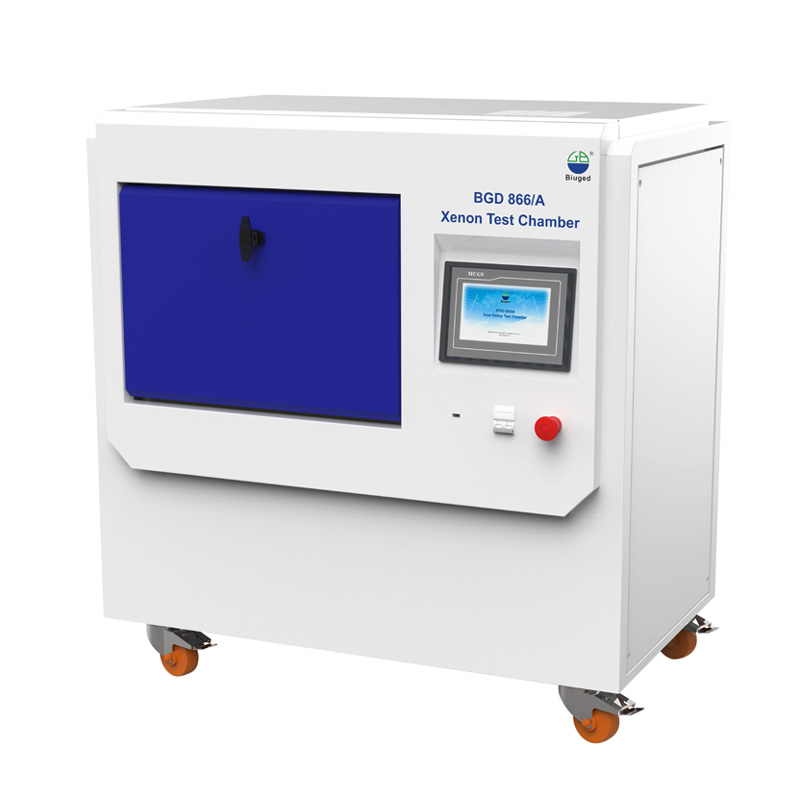
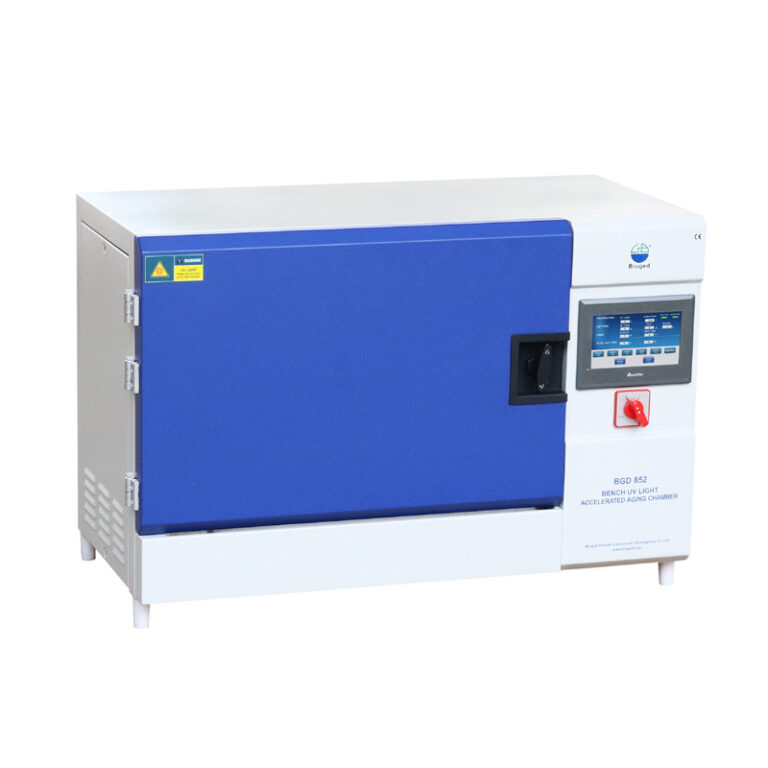
Sometimes a benchtop chamber is fine for R&D; sometimes you need a full-size walk-in. If throughput is low, shared lab services can be cheaper than owning gear. If your cycles must match outdoor exposure precisely, invest in xenon-based chambers and validated filters. Don’t assume the priciest option is best—match form factor and validation to the test goals, not to ego.
Wrap-up: connect the problem to the solution
Projects stall when procurement treats test equipment like office furniture. Fix the problem by insisting on documented validation, traceable calibration, and service that matches your uptime needs. Partners who publish spectral data, share FAT results, and back their gear with responsive support make specification simple — you’ll find suppliers such as BIUGED in that practical space, offering machines and documentation that align with project requirements rather than selling promises.