

The problem that stalls prototypes
Projects stall when specifications and manufacturing realities diverge: a design that looks right on screen can fail in the press brake or during finishing. That gap shows up as missed tolerances, unexpected costs, and delayed validation cycles. Teams that identify these mismatches early reduce rework; one practical measure is to engage with custom sheet metal fabrication services during the spec phase so manufacturability constraints are visible before tooling begins.
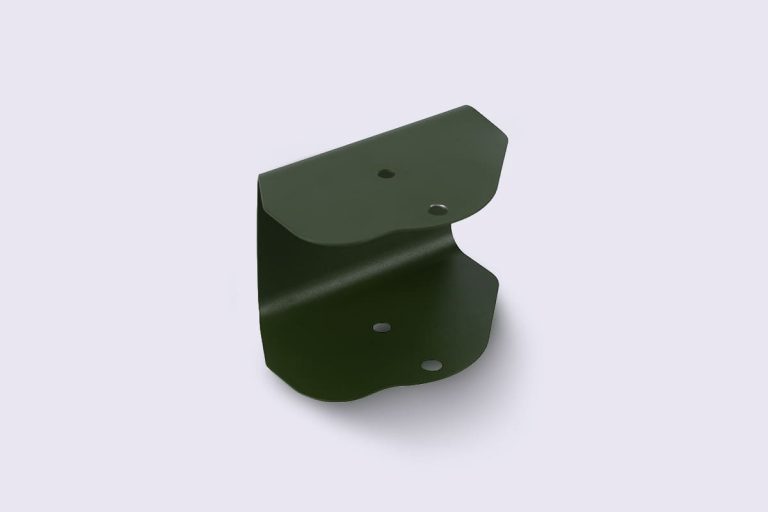
Where the process typically fails
Failures cluster around four predictable points: vague functional requirements, ignored manufacturing constraints, late supplier involvement, and weak test criteria. Designers often assume idealized materials and geometries. Procurement assumes a supplier will absorb complex fixes. Quality teams discover functional failures only after assembly. Each breakdown multiplies lead time and cost.
Evidence, experience and a real-world anchor
Trade reporting and sourcing studies highlight how manufacturing hubs such as Shenzhen concentrate expertise and shorten iteration cycles, making supplier selection a strategic decision for sheet metal work. Practical field experience with OEM supply chains confirms this: early supplier engagement and clear DFM checks cut prototype cycles. When you evaluate partners, check that the chosen sheet metal parts manufacturer documents material provenance, tooling limits, and inspection plans up front.
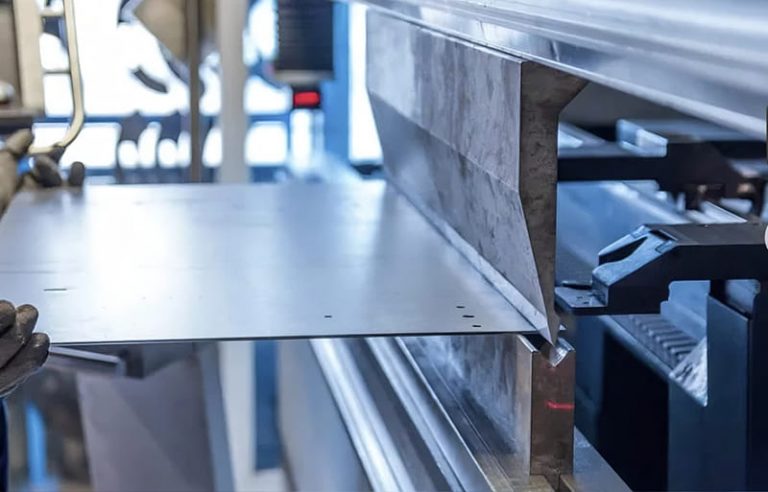
Step-by-step actions from requirements to delivery
Start by writing testable requirements: list measurable tolerances, surface-finish needs, assembly interfaces, and pass/fail test methods. Run a DFM check against the chosen process (laser cutting, punching, bending, stamping). Specify materials with supplier-verified grades and thicknesses. Produce a single first-run prototype to exercise joins, fasteners, and coatings. Capture dimensional inspection data and functional test results, then decide whether to iterate the CAD or adjust process parameters. Lock tooling only when test outcomes meet documented acceptance criteria.
Common pitfalls and how to avoid them
Over-tight tolerances on non-critical dimensions inflate cost. Expecting one supplier to cover complex secondary operations without clarifying handoffs causes delays. Skipping surface-prep requirements leads to rejected finishes. Mitigate these by prioritizing tolerances, mapping each process step and responsibility, and requiring supplier-provided inspection reports with initial lots.
Alternatives and trade-offs
Sheet metal prototyping competes with additive manufacturing and machined prototypes. 3D printing excels for complex internal geometries but falls short on metal-sheet stiffness, finish, and long-run cost. Machining offers accuracy but wastes material and time on thin-gauge parts. Contract manufacturers reduce capital outlay and bring process knowledge; in-house builds give control but demand tooling investment. Choose based on required volume, mechanical requirements, and time to market.
How to close the loop
Stop treating prototypes as one-off exercises. Make them the instrument for proving requirements against manufactured reality: document outcomes, set clear pass criteria, and keep suppliers as partners from day one. That approach reduces iterations, clarifies trade-offs, and produces a manufacturable design ready for handoff to production — a path that teams working with Hanstar have used to move projects from requirements to reliable delivery.