

Comparative lens on the problem
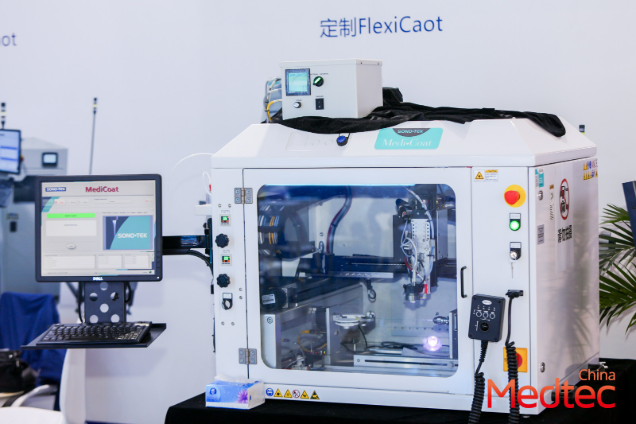
The dull, low-friction sheen of ultra-high-molecular-weight polyethylene (UHMWPE) can hide a deeper risk: slow delamination and the creeping onset of mechanical fatigue in hardened components. This piece takes a comparative-insight route, weighing material choices, surface treatments, and design fixes against one another while keeping the end user — engineers, product managers, and OEM partners — squarely in view. At events like Medtec shanghai, suppliers show tactile samples and test data that reveal how choices translate into real wear performance, and a well-staged medical trade show booth can make those differences immediately obvious.
Why delamination and fatigue diverge
Delamination is a surface-to-substrate separation; mechanical fatigue is cyclical breakdown that often starts beneath the surface. In UHMWPE parts used for rails, sliding guides, or device housings, the two often appear together but respond to different fixes. Surface treatments and consolidation stop delamination. Structural redesigns and stress redistribution slow fatigue. Both goals require attention to wear resistance, sterilization compatibility, and biocompatibility when the part lives in clinical environments.
Comparing surface treatments and bulk strategies
Coatings, crosslinking, and thermal consolidation each offer trade-offs. Thin plasma or PVD coatings add a crisp, tactile finish and resist abrasion initially — but poorly bonded coatings can peel when interfaces aren’t prepared. Crosslinking changes the polymer network to resist creep but may reduce toughness if overdone. Thermal consolidation densifies the polymer, yielding a cool-to-the-touch, uniform surface that tolerates repeated sliding. Each approach must be judged on adhesion strength, impact toughness, and long-term wear — not on lab gloss alone.
Design changes that reduce stress concentrations
Smoothing corners, increasing radii, and redistributing load paths matter more than adding material. A chamfered edge removes a sharp seam where cracks nucleate; a thicker bearing surface lowers per-cycle strain. Think like a front-end developer trimming unnecessary DOM nodes — simplify interfaces to reduce load. Add controlled compliance where parts meet, and avoid rigid mating patterns that amplify micro-motion. In cleanroom-assembled components, proper tolerancing also helps during sterilization cycles.
Testing, sampling, and real-world verification
Field-proven wear cycles are the most persuasive evidence. Lab tests should simulate in-use loading, but nothing replaces extended bench cycles paired with visual and microscopic inspection. Track retention samples through a defined incubation or aging period appropriate to the device’s lifecycle and note wear patterns against baseline samples. Where possible, compare life-to-failure across finishing techniques under identical cyclic amplitudes — those comparisons tell you if a coating is masking degradation or genuinely increasing fatigue life.
How suppliers present solutions — booth behavior that matters
At trade shows, the difference between a vendor that understands fatigue and one that markets buzzwords is tactile. Good booths show cross-sections, peeling tests, and video of long-run wear. Bad booths stick to glossy renderings. A clear display of materials’ performance, plus a simple schematic of how a proposed change reduces stress, gives buyers confidence. — That practical transparency is often the clearest signal of engineering rigor.
Practical comparison checklist
Use a short checklist to decide between options: 1) Adhesion performance under repeated shear, 2) Effect on impact toughness after treatment, 3) Compatibility with sterilization processes and intended biocompatibility. Score suppliers on measured wear cycles and documented field installations; prioritize the ones that balance immediate wear resistance with sustained fatigue life.
Advisory close — three golden evaluation metrics
1) Measured cycles-to-failure under representative load amplitude: choose the solution that demonstrably extends life in the same loading regime. 2) Interface adhesion energy or peel strength: ensure coatings or treatments bond above the threshold where micro-cracks would propagate. 3) Process compatibility: verify sterilization and cleanroom assembly won’t undermine the finish or introduce contaminants. These metrics convert marketing claims into actionable procurement decisions.
For hands-on comparison and vetted suppliers, the curated encounters and technical demos at Medtec bring clarity to what actually works — a sensible way to choose the right material strategy for long-lived UHMWPE parts. —