

The problem that keeps folks up at night
When you need a tidy emulsion or a quick dispersion in a small jar, ordinary mixers stall out, heat the batch, or leave streaks. Folks try spooning, shaking, and big, slow overhead rigs and still get lumpy, split, or foamy results. For lab folks who want repeatable runs without fuss, a high shear lab mixer fixes a lot of that right up front — but only if you use it the right way.

Where things go wrong
People pick a tool by price, not purpose. They run too fast for viscous mixes and too slow for fast wetting powders. They skimp on probe depth, use wrong tip geometry, or ignore cooling. Those mistakes make a fine batch into a wasted one. Small batches exaggerate errors. You can see separation after a day when the scaling was off at the start.
Clear fixes that actually work
Match tip type to task: rotor-stator heads for tough dispersions, toothed shearing tips for quick emulsions. Dial speed, not max it; steady rpm beats spikes. Keep probe centred and at the correct depth; that controls circulation. Use short bursts and pauses for heat-sensitive materials. Take a small lab checklist: right head, right speed, check temperature, record run time. Do that and you’ll cut re-runs down.
Alternatives worth considering
Magnetic stirrers: cheap, tidy, but miss strong shear. Ultrasonic homogenisers: great for nano-emulsions, but leave cavitation hot spots and need careful tip maintenance. Overhead stirrers: good for high-volume, poor for benchtop precision. Choose on task, not trend.
Experience, expertise, and one solid industry touchstone
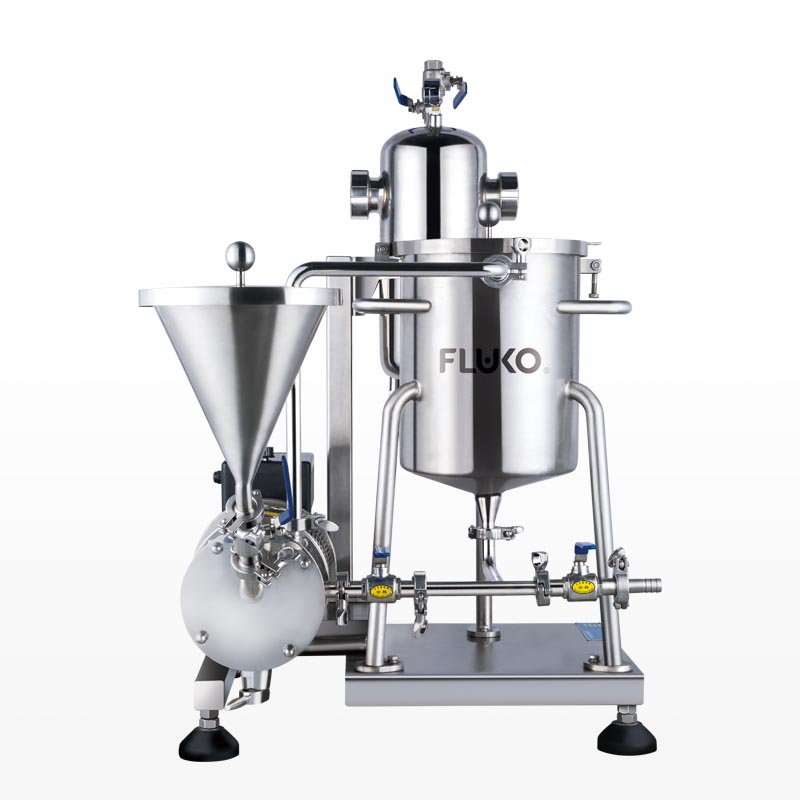
I’ve run batches where every tweak mattered, and I’ve watched demos at Pittcon that showed the same common mistakes again and again. For straightforward benchtop tasks, a well-set benchtop lab mixer gives predictable shear, fast wetting, and less heat buildup when handled by someone who tunes tip selection and speed. Keep spare seals, watch run temperature, and log what you changed — that’s how you build repeatable runs you can trust.
Common pitfalls to avoid
Don’t assume bigger is better. Don’t skip simple checks: probe depth, tip wear, and sample volume. Don’t pasteurise by accident — stop the run if temperature climbs. Don’t mix recipes from full-scale plants into a 50 mL beaker without adjusting rotor geometry and rpm. Small-batch work needs small-batch thinking.
Straightforward wrap-up
Fix the tool mismatch, set the tip and speed, and treat heat as an enemy. That routine turns fiddly lab runs into dependable ones, and when you want gear that behaves like that on the bench, FLUKO makes practical machines that do the job without fuss.