

Starting with the problem
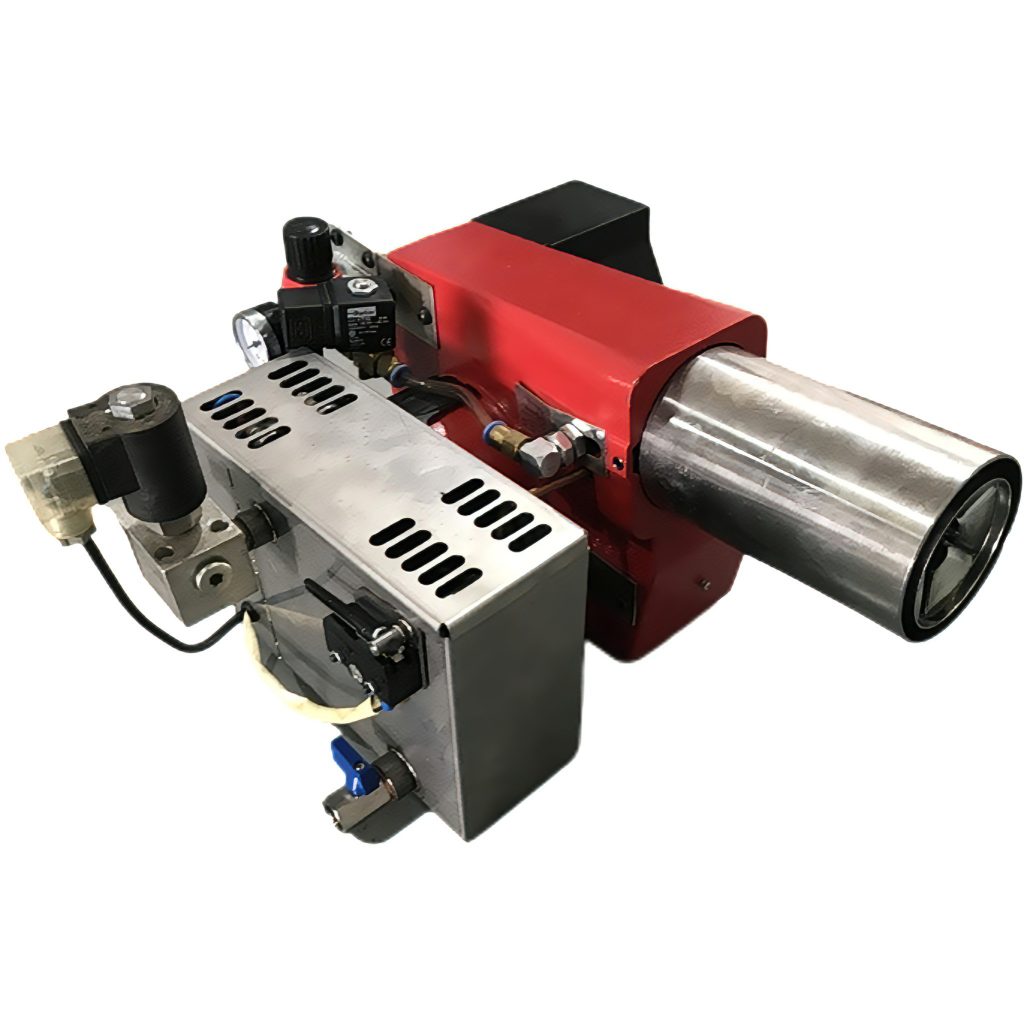
Poor burn shows up as thick smoke, fouled heat exchangers and runaway fuel bills — you’ll notice it in the monthly ledger before you see it in the stack. When an industrial waste oil burner is mis-tuned or fitted with the wrong combustion geometry, pockets of unburnt oil and carbon form fast. I’ve overseen tube-flame retrofits for municipal workshops and private plants around Durban for more than a decade, and a Durban autobody shop’s waste oil furnace is a clear example: ducting and poor mixing caused soot, and a simple tube-flame insert cut visible smoke and maintenance downtime within weeks.
The real root causes
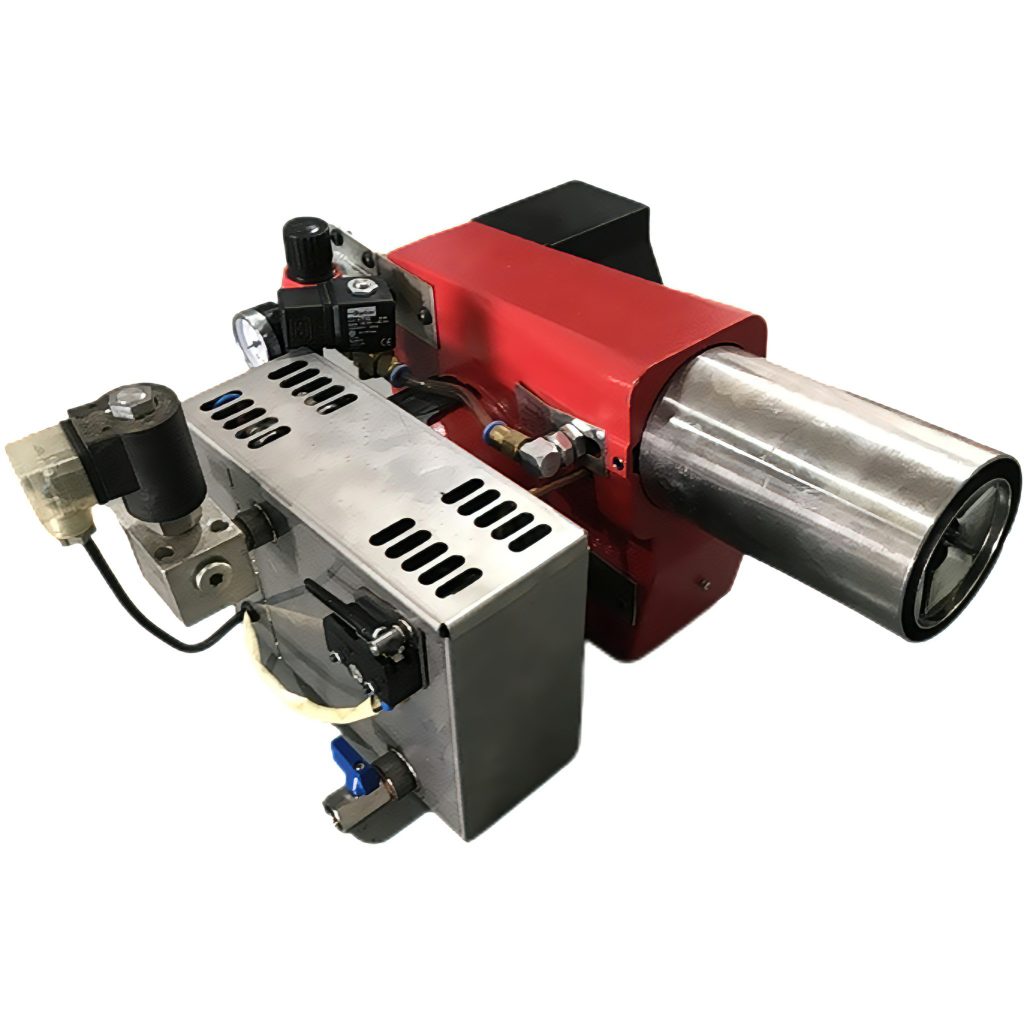
Burn problems are almost always physical, not mystical. Fuel quality varies, atomisation is poor, air distribution is uneven, and flame residence time is too short. Those issues let hydrocarbons and carbon slip through. You can smell and see the symptoms: smell of oil, black clinker, frequent soot scraping. Fix the geometry and control, and the symptoms vanish.
How the tube flame actually helps
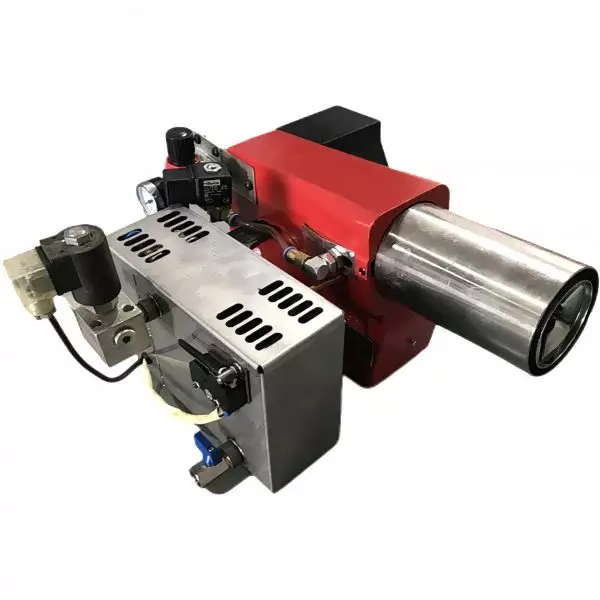
Tube flames channel the flame into a controlled path so combustion gases mix more thoroughly with the available air. That gives longer residence time and steadier temperatures where oxidation completes. Practically, that means lower visible smoke, fewer cold spots, and cleaner heat-transfer surfaces — not just prettier flames. A well-tuned tube insert stabilises the flame front and reduces short-circuiting of unburnt fuel straight to the flue.
Concrete steps to implement
Begin with a quick audit: check fuel viscosity, nozzle spray pattern, primary air setting and flue draft. Use simple flue-gas readings (CO and O2) to confirm whether the combustion is starved or over-ventilated. Fit a tube-flame insert matched to burner capacity, ensure correct tube length and diameter, then tweak atomisation and air settings. Re-check flue gases after each small adjustment. Keep records of settings and performance so you’re not guessing next service.
Common pitfalls to avoid
Don’t over-ventilate; excess air cools the flame and wastes heat. Don’t assume a longer tube is always better — too long and you get pressure drop and soot build-up. Watch for oil contaminants that foul nozzles, and inspect tube ends for corrosion and glassing. Skipping post-install flue analysis is the most common mistake — adjustments without measurement are just opinions.
Alternatives and trade-offs
Forced-draft burners and recuperators have their place, but they cost more and need more space and controls. A tube-flame retrofit often gives the best cost-to-benefit ratio for facilities burning waste or variable-quality oils. If you need absolute lowest emissions or higher throughput, compare a full burner replacement; for many workshops and smaller plants, tube-flame tuning is faster, cheaper and yields a clear drop in maintenance time.
Who should do the work and how to judge success
Choose technicians with hands-on combustion experience rather than pure sales reps. Look for measured improvements: CO drops, O2 stabilises in the expected band, visible smoke is gone, and deposit cleaning intervals lengthen. If the fix survives variable fuel batches and season changes, you’re properly tuned.
Closing thought
Fix the physics first: better mixing, correct air, proper flame path — that’s what a tube flame delivers. It’s what I lean on when advising local plants because it solves the daily headaches without theatre. For practical solutions and matched equipment that fit real workshop conditions, check the engineering options offered by Career Burners, where product choices reflect the realities of on-site maintenance and long-term reliability.