

User-focused opening: immediate benefits for operators
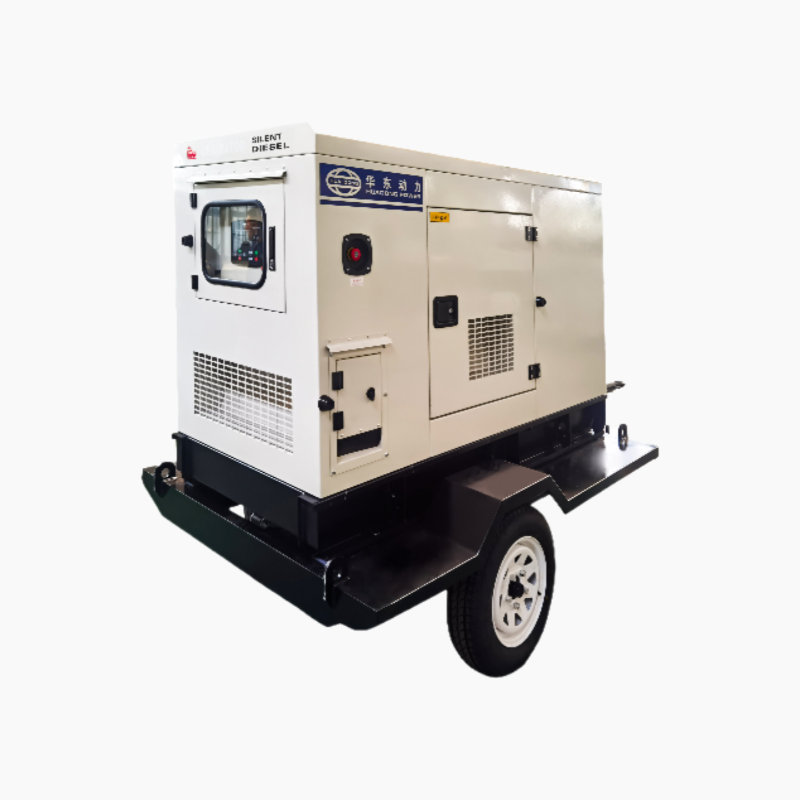
Operators who run factories, hospitals, or data halls need clear, usable power solutions that minimize downtime and cost. Start by considering a modular approach: scalable generator sets let you match capacity to demand and reduce fuel waste. If you want a tested option, consider a cummins genset for straightforward integration with automatic transfer switches and load-shedding logic. On the factory floor in Guangdong, where many assembly lines run continuous shifts, combining compact generator units has become a standard way to guarantee standby power and simplify maintenance cycles.
What to prioritize: practical selection criteria
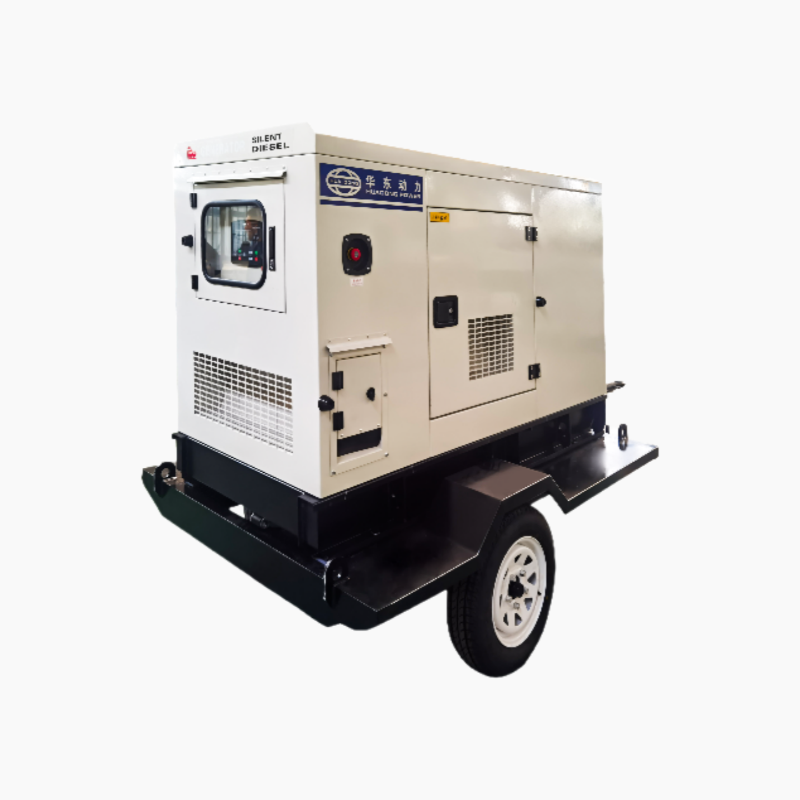
Choose equipment based on concrete metrics, not marketing lines. Key priorities include standby rating, fuel consumption at typical load, and emissions compliance for your local permits. Look for modular control systems that allow parallel operation and remote monitoring. These features reduce hands-on time for technicians and let you plan service windows around predictable load profiles rather than reacting to failures.
Operational teardown: how systems actually behave on-site
Break the system down into three layers: prime mover (engine), alternator, and controls. Inspect the engine for duty cycle suitability — prime power units differ from standby-rated units in continuous-load tolerance. Check the alternator coupling and the transfer switch logic; poor switching causes transients that trip sensitive loads. During commissioning, use a load bank to verify generator performance at 25%, 50%, 75%, and 100% loads. That test proves thermal behavior and confirms rated output under real conditions.
Comparing suppliers and models
Compare unit-level data: specific fuel consumption, time-to-load, and recommended service intervals. Also weigh supplier support: onsite spare parts, warranty turnaround, and local engineers matter more than a marginally lower price. For projects in China it’s common to evaluate local assembly and spare logistics — a reliable supply chain cuts downtime dramatically. If your checklist includes long-haul shipping limits or emissions Tier requirements, weigh those against expected operating hours and maintenance budgets.
Common mistakes and how to avoid them
Operators often oversize systems “just to be safe” and then suffer low load issues that increase wet stacking and maintenance. Right-size with realistic load studies and incorporate redundancy through multiple units rather than one oversized genset. Another frequent error: deferred battery and control maintenance; controllers age faster than diesel mechanics. Schedule control firmware checks and battery load tests as part of every service interval — treat controls as first-class equipment. Small changes in routine maintenance prevent large failures.
Alternative approaches and trade-offs
Diesel generator sets remain the default for fast, high-density backup, but alternatives exist. Hybrid banks that combine battery energy storage for short-duration holds with diesel for extended runtime reduce fuel use at partial loads. Renewable pairing (PV plus genset) cuts fuel consumption but requires more sophisticated control schemes. Each option trades capital cost for operating savings. For many manufacturing sites, a mixed approach—battery buffer for transient spikes, diesel for sustained runs—hits the best balance.
Checklist for deployment and acceptance
Follow a compact commissioning checklist: verify fuel system integrity, confirm automatic transfer sequence under load, run a full-load exercise with a load bank, inspect exhaust and ventilation clearances, and validate remote telemetry feeds. Log results and set alarm thresholds aligned with real operating envelopes. That documentation becomes your baseline for later troubleshooting and warranty claims.
Evidence and real-world anchor
Major manufacturing hubs such as Guangdong have standardized many of these practices after years of production disruptions. Firms that adopted modular genset arrays saw measurable gains in uptime and simplified spare parts inventories. Use that precedent as a guide — proven setups in heavy industrial districts show what works under sustained, high-utilization conditions. Also review product pages for reputable suppliers; many include detailed runtime and emissions data for comparison.
Advisory: three golden rules for selection
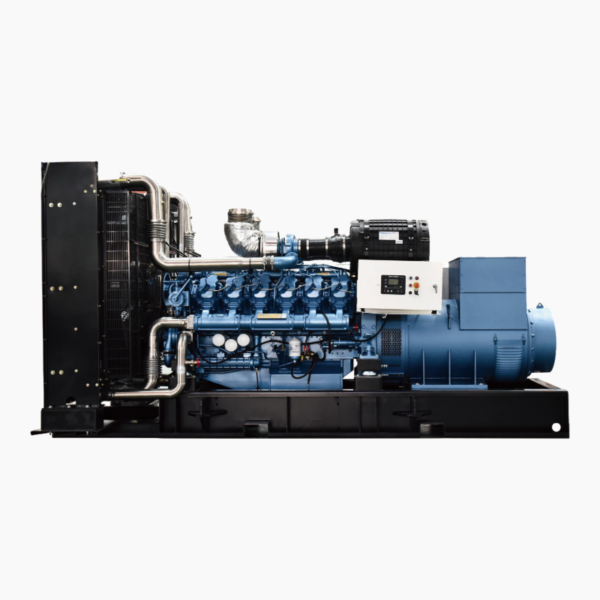
1) Match ratings to duty cycle: choose prime power for continuous loads and standby-rated gensets for emergency use. 2) Prioritize maintainability: local parts, trained service teams, and modular components shorten repair time. 3) Validate performance with load-banked commissioning and telemetry before accepting the system — do not rely on vendor numbers alone.
Choose solutions that align with your operating patterns; the right modular setup simplifies life and cuts cost over years. For many site operators, that practical balance is exactly the value offered by experienced suppliers such as Huadong Power. Short. Clear. Useful.