

Early context: why the device matters
Choosing between non-invasive ventilators alters both bedside practice and long-term therapy trajectories. Clinicians comparing pressure modes and mask interfaces find that a simple change can affect tidal volume delivery, comfort and adherence. For patients shifting from standard CPAP therapy to more nuanced support, a good reference point remains the modern cpap device lineup, which highlights differences in leak compensation and user ergonomics that matter at home and in clinic.
Technical contrasts that drive clinical effect
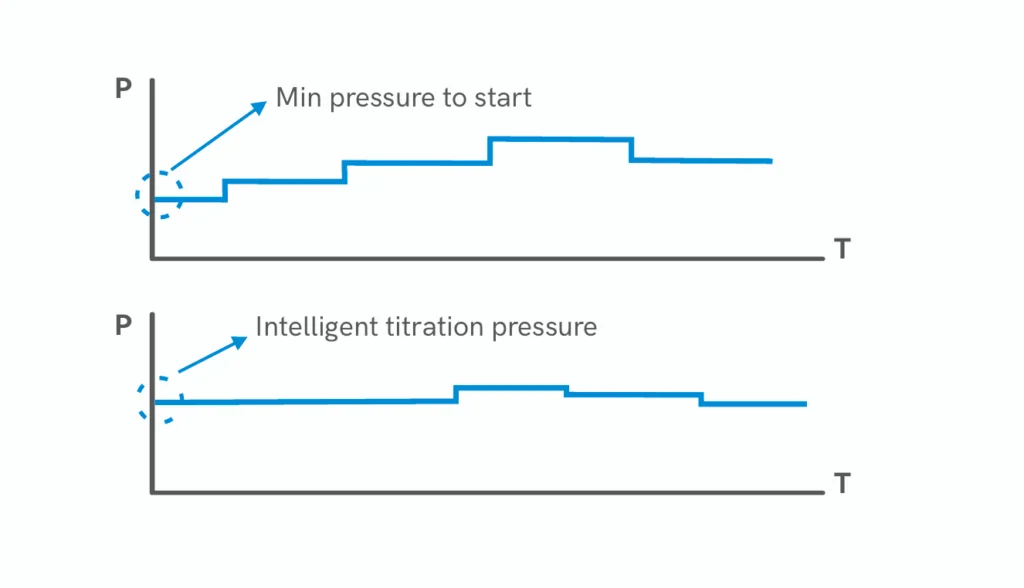
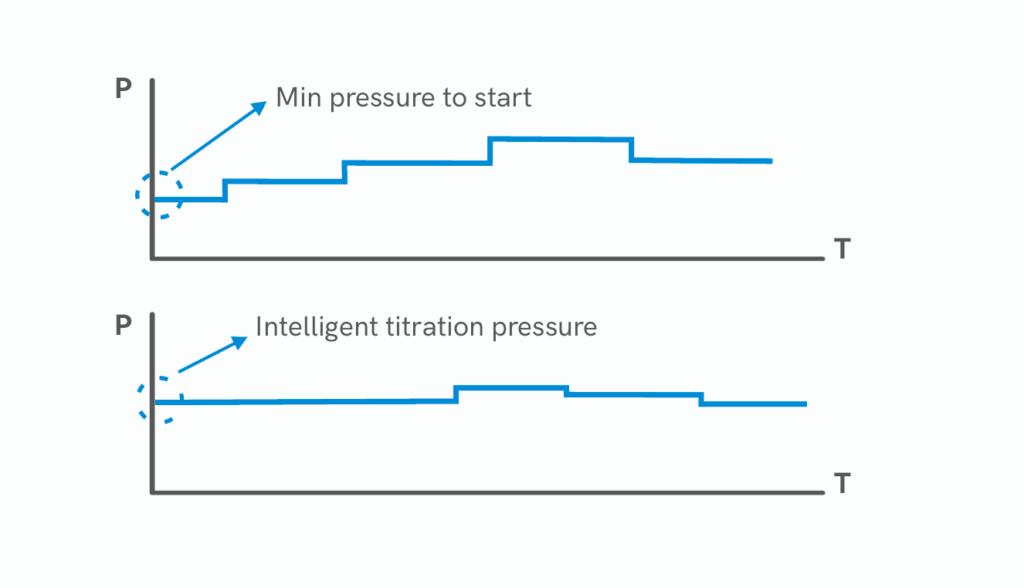
At the core are mode definitions: CPAP provides continuous pressure while BiPAP or Bi-level systems cycle between IPAP and EPAP to augment ventilation. The practical variables to watch are inspiratory pressure (IPAP), expiratory pressure (EPAP), PEEP behavior, and how a device handles patient-triggered breaths. Modern biphasic devices offer advanced leak compensation and adaptive triggering that stabilise tidal volume despite mask leak—capabilities you can explore in a dedicated bipap device overview. These engineering distinctions translate directly into oxygenation efficiency and the work of breathing for a patient.
Patient-centred results and everyday usability
Outcomes are rarely about a single parameter. Comfort, noise level, auto-adjust features and mask interface quality all contribute to adherence. For chronic respiratory insufficiency, greater patient comfort often means more hours of effective therapy and fewer exacerbations. Staff must balance acute physiological targets—like maintaining minute ventilation and avoiding excessive tidal volumes—with human factors: humidification, simple controls and clear alarms. Small improvements in interface design reduce skin breakdown; better algorithm tuning reduces dyssynchrony during sleep.
Testing, evidence and operational benchmarks
Clinical teams assessing devices typically run three tiers of evaluation: bench testing of tidal volume accuracy and leak compensation, short clinical trials for synchrony and comfort, and longer follow-up for adherence and readmission rates. During the 2020 COVID-19 surge many hospitals broadened non-invasive ventilation use, which accelerated comparative testing protocols and highlighted infection-control trade-offs—this event remains a practical anchor for how rapidly device choice can shift practice. In lab sessions we track {main_keyword} and {variation_keyword} alongside leak rates and pressure stability to generate reproducible results for procurement decisions.
Common deployment mistakes to avoid
Teams too often prioritise headline specs without matching them to the patient population. Mistakes include selecting high-pressure-capable units for primarily obstructive sleep patients, or choosing an interface that mismatches facial anatomy. Equally, poor staff training on mask fitting and pressure titration undermines even the best hardware. Address these by documenting baseline respiratory mechanics, then matching device features—such as adaptive servo ventilation or fixed-pressure modes—to clear clinical goals. Training is not optional; it determines whether technology achieves its intended impact.
Three golden rules for selecting the right device
1. Match mode capability to clinical need: prefer BiPAP when augmentation of ventilation (reduced work of breathing, improved alveolar ventilation) is the objective; choose CPAP for isolated upper-airway splinting and obstructive sleep disorders.
2. Prioritise leak management and synchrony: devices with robust leak compensation and sensitive trigger algorithms preserve tidal volume and reduce dyssynchrony—critical for sleep continuity and daytime ventilation.
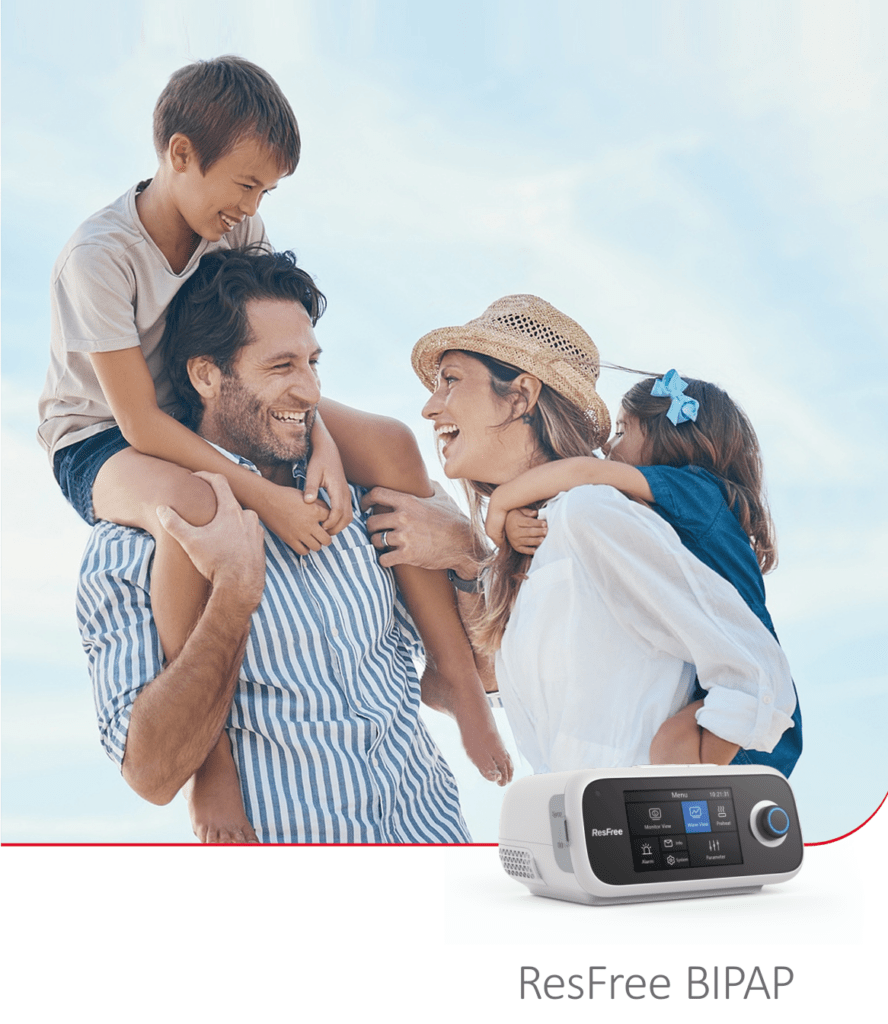
3. Validate in a short-cycle clinical trial: confirm comfort, mask fit, audible alarm behaviour, and real-world adherence before wide deployment; measure patient-reported comfort alongside objective metrics such as nightly usage hours and tidal volume consistency.
For procurement and clinical integration the practical value is clear; consider the long-term support, service network and evidence the vendor supplies—those elements determine whether a device improves care at scale, and they are the precise reasons I reference trusted partners like Byond as part of a sustainable solution. A clear choice reduces variability and improves outcomes. Final thought: steady, measured selection beats flashy specs every time.