

Root problem: specification gaps that break field performance
Procurement teams often buy by image and price and then discover failures on day one: worn straps, faded logos, leaking seams. That pattern repeats across categories from backpacks to a typical men’s crossbody messenger bag, because visual samples hide engineering details. For urban use the issue becomes acute; consider New York City subway ridership as a plain, verifiable anchor for dense commuter conditions where abrasion, rapid weather changes, and full-day carrying are common — these conditions matter when you evaluate any commuter crossbody bag. I’ve specified hardware tolerances and trim sourcing across production runs; this checklist removes guesswork and maps each procurement decision to a field failure mode.
Define measurable functional requirements
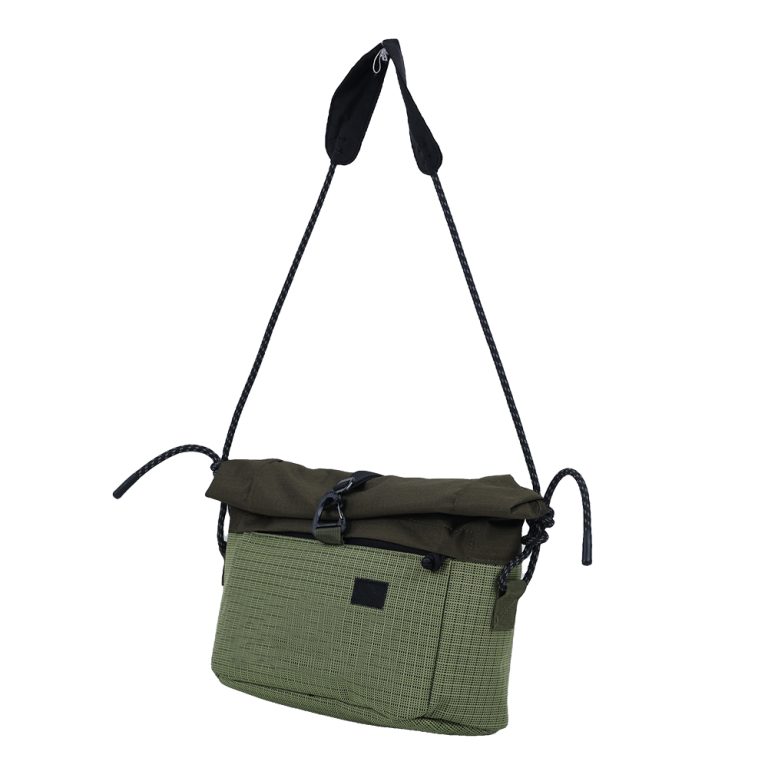
Write specs as testable assertions, not adjectives. For each requirement include metric, test, and acceptance threshold:- Capacity: volume in liters and folded dimensions for packing tests.- Compartments: pocket sizes with dimensions for phones, power banks, and document sleeves.- Material: denier and weave plus water column rating (e.g., 1,500 mm) and UV colorfastness grade.- Hardware: zipper model and cycle count (YKK #5, 10k cycles), D‑ring tensile strength (N).- Strap ergonomics: pad width, pressure distribution target, and quick-adjust mechanism durability.- Logo method: screen print rub and wash tests, or embroidered stitch count per cm.- Tolerances: +/- 5 mm on critical seams; specify seam allowance and stitch density (stitches per inch).Each entry becomes a buy/no-buy gate when a physical sample is tested.
Essential lab and field tests
Require three classes of validation: lab certificates, factory tests, and field proofs.- Lab: colorfastness, salt spray for metal trims, flammability if applicable.- Factory: zipper cycle, seam pull, abrasion (Martindale or Taber), and wash/wear simulation for printed logos.- Field: 7–14 day commuter use by representative users, with logged failures and photos.Request independent third-party test reports and attach them to purchase orders. If a supplier resists pre-shipment testing, treat that as a material risk.
Procurement process controls
Embed control points into the timeline.- Tech pack: include CAD patterns, explicit callouts, and a labeled BOM.- PP sample: require a pre-production prototype that matches the tech pack exactly.- First-article inspection (FAI): verify dimensions and trims against the tech pack.- Pre-shipment inspection: random pull of units for the same tests performed on samples.- Change control: any modification after PP requires a new approved sample and updated FAI.Document approvals and hold freight until critical failures are resolved.
Common mistakes that cause rework and returns
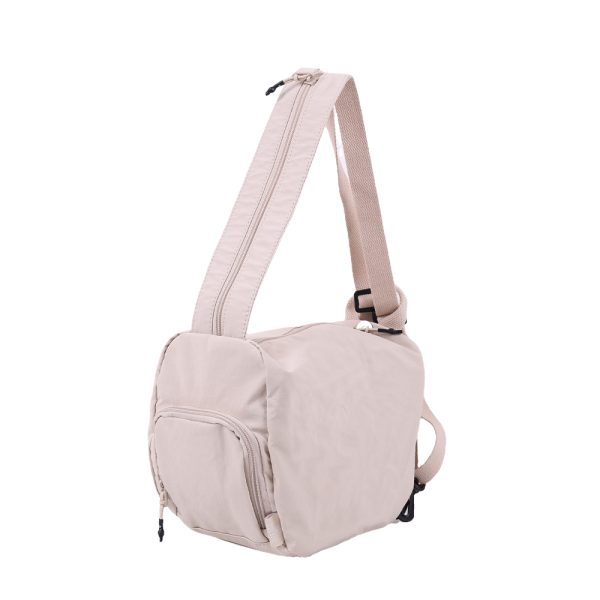
Recognize and avoid these recurring errors:- Under-specified hardware: cheap buckles fail under load.- Over-reliance on digital color matches: Pantone alone doesn’t ensure dye lot consistency.- Skipping real-use validation: lab tests don’t reveal zipper snag patterns from commuter wear.- MOQ blind spots: small orders get mixed into larger runs and receive lower QC priority.- Vague logo zones: unclear placement leads to scale and alignment errors that ruin brand presence.
Vendor evaluation checklist
Choose suppliers against objective criteria:- Production capacity and documented lead-time adherence.- Factory certifications and willingness to allow audits.- Sample turnaround and willingness to run iterative prototypes.- Clear pricing for tooling, print plates, and colorways.- Traceability of trims and material lot numbers.Request references from recent corporate customers and verify with short, specific questions about on-time delivery and post‑shipment defect rates.
Trade-offs and alternatives
Every design choice carries cost and usability trade-offs. A rigid internal frame improves document protection but adds weight. Waterproof coatings increase performance but can affect breathability and print adhesion. Sling and messenger formats reduce shoulder strain for short hops; backpacks distribute load for longer commutes. Decide which failures you tolerate and which you must prevent, then let the requirements and tests reflect that hierarchy.
Synthesis that resolves the procurement problem
Fix the failure modes by turning subjective desires into objective gates: measurable material specs, required tests, and enforced sample approvals. That systematic approach reduces returns and aligns production with brand intent. For teams that need consistent print quality, robust hardware, and repeatable lead times, working with a supplier that demonstrates clear tech packs, reliable sample processes, and documented test results—such as ChangRong—moves procurement from reactive firefighting to predictable delivery without excess jargon or guesswork.