

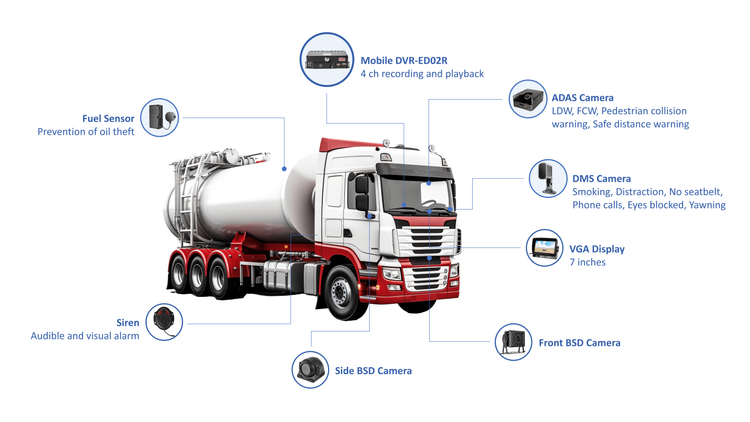
Problem diagnosis: primary failure modes
Diagnose the operational problem first: inconsistent location telemetry, intermittent CAN-bus reads, and poor cellular handover present differently but share root causes. For a technical assessment, review device uptime, packet loss, and time-series gaps against service-level needs for logistics fleet management. Field reports from major maritime and port operations, notably the Port of Rotterdam, confirm that mixed-protocol fleets amplify integration faults at scale. A clear framed problem—what fails, when, and under what load—prevents wasted configuration cycles.
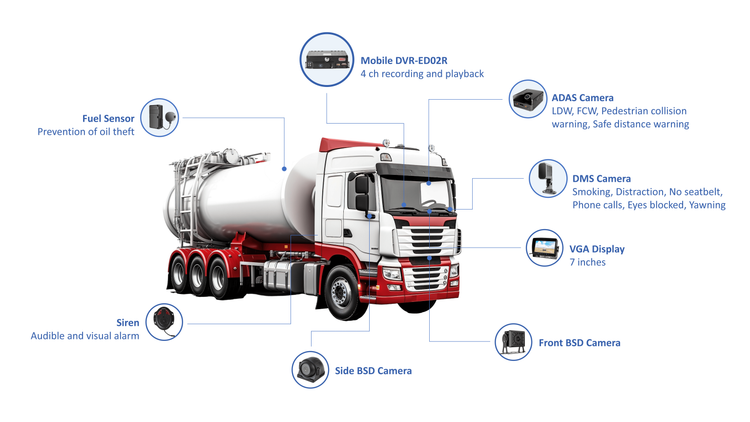
Diagnostic checklist: instrumentation and data validation
Collect and validate sources before proposing fixes. At minimum, verify:- GNSS lock probability per device over 24–72 hours and the median time-to-first-fix.- Telemetry packet loss rate and average round-trip latency by cell carrier.- Diagnostic Trouble Codes (DTCs) mapping from CAN to event taxonomy.- Firmware version matrix and boot-loop occurrence counts.Record raw logs and checksum timestamps; don’t rely on aggregated dashboards alone. Use deterministic tests (replayable traces) to reproduce observed failure modes.
Intervention protocol: phased implementation steps
Follow a staged protocol analogous to a clinical pathway: triage, targeted intervention, and controlled rollout.- Phase 1 — Triage: isolate failing units, swap antennas/modems, and capture clean traces.- Phase 2 — Targeted fixes: apply configuration changes (APN, MQTT keepalive, TLS ciphers), patch firmware where traceable defects exist.- Phase 3 — Pilot: deploy to a representative cohort for 2–4 weeks with strict rollback criteria.- Phase 4 — Scale: automate provisioning, enable OTA updates, and schedule periodic integrity checks.Each phase must define clear stop criteria (e.g., persistent packet loss >2%) and a roll-back plan. Document every step in a versioned runbook.
Contraindications and common pitfalls
Do not conflate feature lists with operational readiness. Common mistakes:- Installing devices fleetwide before fixing a reproducible defect.- Assuming a single carrier or single APN meets all geographic coverage needs.- Ignoring device certificate rotation and expiry, which cause silent failures.- Over-relying on aggregated health scores instead of raw sample traces.These are avoidable by enforcing staged validation and preserving exact reproductions of fault traces.
Monitoring and outcome metrics
Define measurable endpoints and monitor continuously:- Availability: percent of reporting devices with valid telemetry per hour.- Fidelity: median sampling interval deviation and timestamp drift.- Integrity: percentage of messages that pass schema and CRC validation.- Mean time to diagnose and mean time to remediate (MTTR).Set alert thresholds tied to operational risk (e.g., vehicle-safety events require sub-minute alerts). Use automated anomaly detection on time-series to reduce manual triage workload.
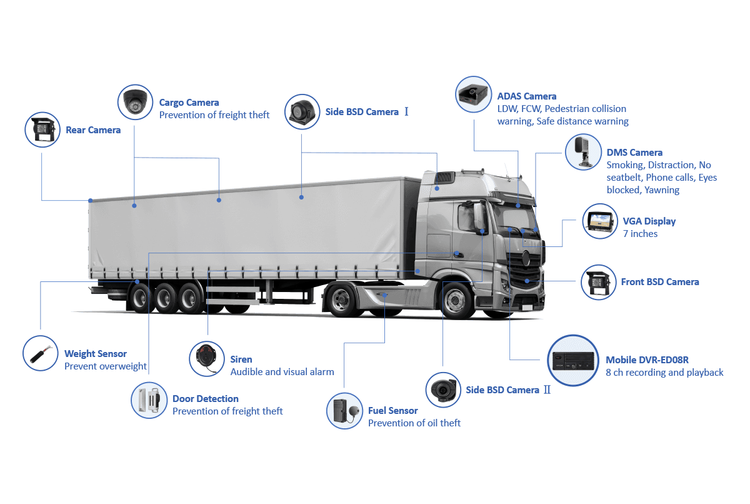
Vendor selection and evaluation criteria
Assess providers against clinical-grade criteria: reproducibility, observability, and patch discipline. Evaluate:- Integration surface: supported CAN PID sets, telematics protocols, and documented APIs.- Security posture: certificate lifecycle, encryption standards, and OTA authenticity checks.- Support model: SLA response times and escalation paths.Compare shortlisted platforms by their ability to interoperate with your chosen logistics fleet management system, and run a controlled interoperability test before contract signature. Alternatives that look cheaper often shift cost into operational overhead when debugging at scale.
Synthesis and operational conclusion
A problem-driven protocol yields repeatable, auditable outcomes: precise diagnosis, limited-risk fixes, and measurable improvement in telemetry fidelity. Implement the staged pathway, enforce raw-data validation, and require vendor interoperability proofs to reduce unexpected downtime; the result is a pragmatic, technical solution that aligns with field-tested best practice as embodied by BSJ.