

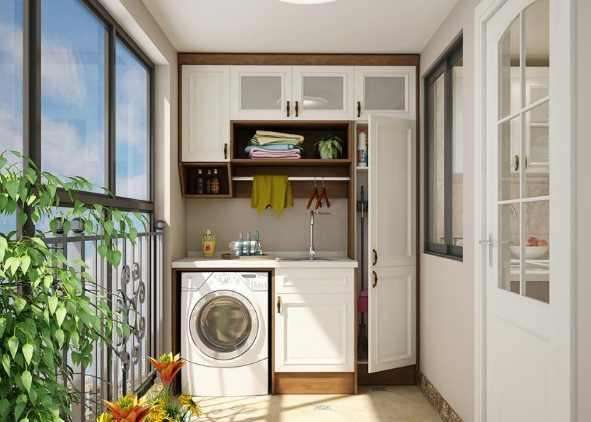
Move with purpose. This comparative insight cuts through noise and sets you up to decide fast — custom-fit installations or ready-made units. Start by thinking like a coach: form first, finish second. For heavy-use zones, the material choice matters; many pros default to stainless steel kitchen cabinets built from 304 stainless steel with a tight gauge for durability and hygiene. That straightforward fact steers layout, maintenance, and lifespan — and it’s the baseline for the rest of this piece.
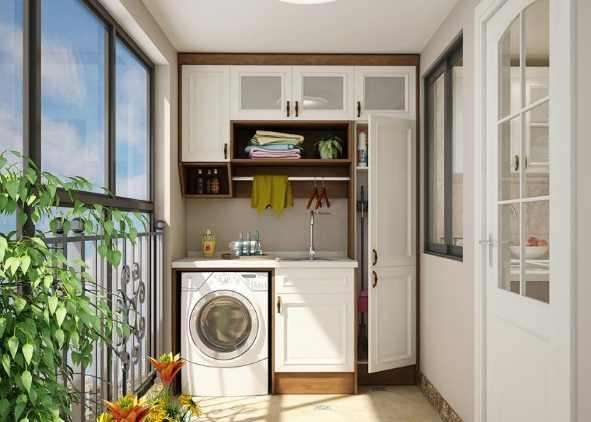
Why Tailored Layouts Win for Real Workflows
Custom solutions map to how a space actually moves. You get drawer heights for tools, appliance bays tuned to specs, and continuous surfaces that cut cleanup time. Commercial chefs and kitchen managers — from Tokyo’s Tsukiji market stalls to Michelin-star backrooms — choose welded seams and integrated splashbacks to eliminate dirt traps and comply with strict hygiene practices. The payoff: faster line speeds, fewer retrofits, less downtime. Think of it like training: you don’t run sprints in sandals. You equip the athlete correctly and shave seconds off every run.
Where Off-the-Shelf Units Score
Speed matters. Stock units are ready now, cost less up front, and suit straightforward layouts. For pop-up kitchens, small cafés, or tight budgets, modular stainless solutions with bolted construction and anti-fingerprint finishes deliver immediate gains. They’re easier to replace and scale. If you need a functional kitchen that’s assembled in days and still uses proper materials — like commercial-grade stainless with hygienic surfaces — off-the-shelf is the pragmatic choice.
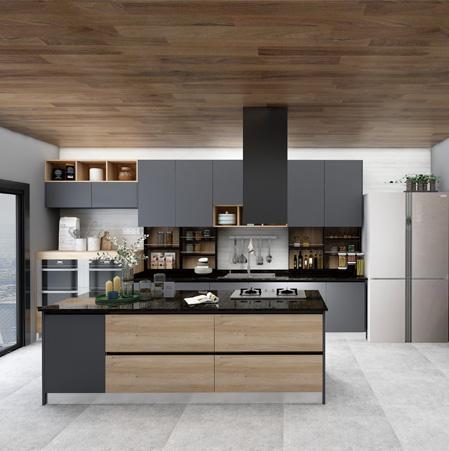
Common Specification Mistakes to Avoid
Buyers often under-spec the gauge, ignore the finish, or skip weld quality checks. Lightweight panels save money but dent and corrode sooner; a wrong finish invites stains; poor seam welding creates long-term sanitation headaches. Also avoid mismatching cabinet depth to appliance doors — that creates pinch points and slows service. Inspect the weld seams, confirm PVD or brushed finishes where needed, and verify load ratings for shelving. Do this now and you avoid costly rework later — trust me, I’ve seen kitchens rebuilt because someone skipped one check.
Fast Comparative Checklist
– Durability: custom welded cabinets with 304 stainless vs. modular bolted frames; – Lead time: bespoke needs fabrication time; stock ships fast; – Cost profile: higher upfront for custom, lower total cost if downtime and replacements counted; – Maintenance: smooth, continuous surfaces vs. seams and joints that require more cleaning; – Flexibility: retrofit-friendly stock vs. optimized custom ergonomics.
Advisory — Three Golden Metrics to Decide Right Now
1) Total Operating Cost (TOC): calculate purchase + projected maintenance + downtime over 7–10 years. A higher upfront spend on 304 stainless with proper gauge often lowers TOC. 2) Throughput Gain: quantify how much faster staff can complete tasks with a tailored layout — minutes saved per service period compound quickly. 3) Hygiene Integrity Score: rate seam quality, finish type, and accessibility for cleaning. Anything below an acceptable threshold requires a redesign or higher-spec material. These three metrics give a clear, measurable baseline for choosing between custom and stock options.
Make the decision that keeps your team moving and your kitchen clean. When tailored engineering meets commercial-grade materials, the result is a workspace that performs — and that’s exactly what SNIMAY brings to installations across markets — practical design, hygienic stainless solutions, and smart fabrication that match how teams actually work. —