

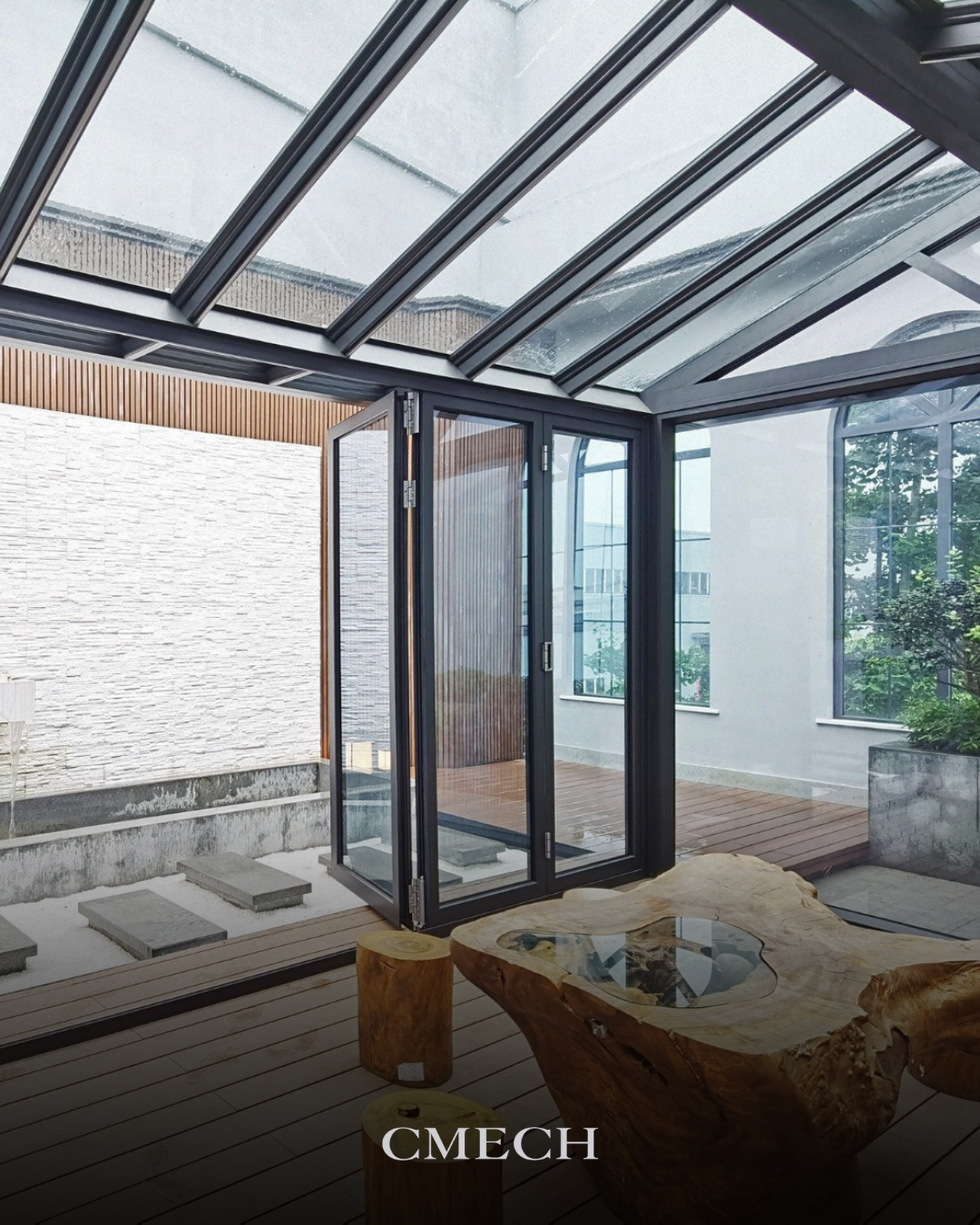
Comparative insight means looking at choices side-by-side and picking the combo that delivers performance, durability, and a cohesive aesthetic. For high-end commercial builds, pairing awning window hardware with premium patio door hardware and patio door handles often outperforms isolated upgrades. Early on, integrate casement window hardware kit and specify compatible gear—sash profiles and multipoint locking—so operability and security are resolved together. Recent policy pushes such as New York City’s Local Law 97 have accelerated demand for high-performance fenestration; specifying robust components like a quality casement window crank hardware reduces rework and helps meet building-level energy targets.
Comparative Performance: What the two-component approach fixes
Separating window and door hardware procurement creates mismatch risks: differing finish tolerances, uneven wear rates, and conflicting dead-load behavior. When awning window hardware and patio door handles are chosen as a matched system, you control engagement points—hinge geometry, gearbox torque, and weatherstrip compression—so sealing and drainage perform predictably. Industry terms to note here: sash geometry and threshold alignment. The matched route typically yields fewer service calls and better user experience over the first 10–15 years.
Design Consistency and User Experience
Luxury commercial spaces demand both form and function. Matching metallic finishes, spindle sizes, and lever proportions yields a consistent tactile experience across conference rooms, lobbies, and terraces. That consistency cuts down on cognitive friction for occupants—an often-overlooked element of premium design. Choose finishes rated for high-cycling environments and specify materials such as stainless steel or anodized aluminum to avoid patina differences across facades.
Durability, Testing, and Common Mistakes
Common project mistakes include under-specifying gearbox life or ignoring cycling tests for multipoint locks. Don’t pick hardware only on price—verify cycle ratings and corrosion resistance. A frequent error is selecting handles that look right at mockup but bind against the frame under thermal movement—this causes premature wear. —Also, mismatching fastener materials across aluminum and steel components invites galvanic corrosion over time.
Alternatives and When to Choose Them
If the project emphasizes maximum sightlines, slim-profile sliding doors with concealed rollers may be preferable to a patio door with heavy multipoint handles. Conversely, for operable ventilation in amenity terraces, awning windows with robust crank hardware beat fixed glazing. Compare lifecycle cost, maintenance cadence, and acoustic performance before swapping one system for another. Consider ease of replacement—modular casement and crank assemblies speed field repairs without full frame removal.
Implementation Checklist for Project Managers
Organize procurement and installation around these concrete steps:- Lock down finish and corrosion class with the supplier to ensure consistency across windows and doors.- Require cycle-test certificates and gearbox torque specs in the contract submittals.- Coordinate frame tolerances and threshold heights with the glazing subcontractor.- Field-verify clearances at the mockup stage to rule out binding under thermal displacement.These checkpoints reduce RFIs and latency during handover.
Advisory: Three Golden Rules for Specifying Matched Hardware
1) Match mechanical interfaces first: ensure spindle dimensions, backset, and mounting points are compatible to avoid last-minute adapters. 2) Prioritize tested durability over aesthetic parity: choose handles and cranks with documented cycle-life and corrosion tests. 3) Tie warranty to integrated performance: require a single-source warranty that covers both awning window hardware and patio door hardware performance under normal use.
Summing up: a coordinated specification that pairs awning window hardware with patio door handles reduces lifecycle risk, streamlines installation, and delivers a consistent occupant experience. For complex commercial projects, that coordination is a measurable efficiency—fewer service callbacks, clearer commissioning, and a cleaner punch list. CMECH brings the component alignment and documentation practices that make this practical on-site—practical, proven, and project-ready. —Final thought: consistency saves time.