

Opening diagnosis: where projects stall
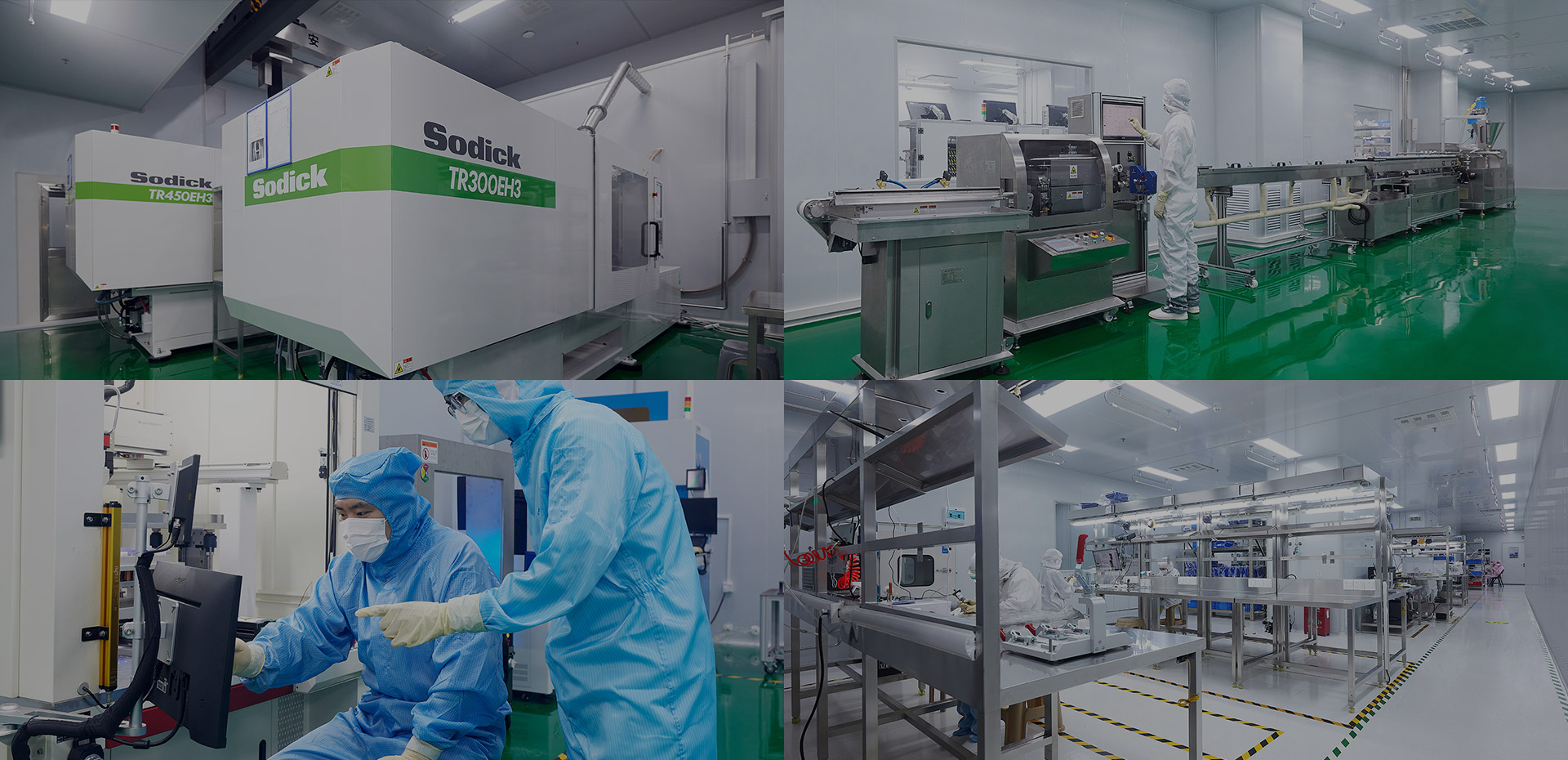
Early-stage teams commonly meet the same barrier: a concept that passes bench testing but cannot be manufactured reliably at scale. That failure shows in slow transfers, inconsistent yields, and missed regulatory milestones. A capable contract partner can convert prototypes into production realities by aligning design tolerance, process capability, and supply planning on the production floor; for many programs this alignment begins at the medical device assembly line.
Problem map: the precise blockages that derail timelines
Teams misjudge three things. First, manufacturability: designs with tight tolerances or custom components frequently require repeated redesigns. Second, quality and documentation: failure modes and traceability gaps produce late-stage nonconformances. Third, sterilization and packaging readiness: choosing an unsuitable sterilization pathway or packaging approach forces recalls or rework. Each problem compounds the others and increases regulatory risk.
Why these problems persist: structural causes
Design groups often work in silos from production engineers; procurement focuses on cost rather than long-term availability; and project plans compress qualification steps to meet funding milestones. Those choices reduce options. The result is a brittle plan that cannot absorb supplier disruptions, variability in raw materials, or inconsistent process capability during scale-up.
Experience, standards and a critical sterility anchor
Practical remedies draw on a blend of hands-on manufacturing experience and recognized standards. I have observed — repeatedly during transfers governed by ISO-based quality systems — that early engagement with production teams shortens qualification loops. A central technical consideration is radiation-based sterilization: professionals align device materials and dose-setting with the ISO 11137 standard to ensure sterility assurance without degrading device function. That alignment often involves coordination with external irradiation providers and explicit testing for material compatibility using gamma sterilization. These steps are verifiable in published validation protocols and in regulator-reviewed submissions, and they materially reduce late-stage surprises.
Practical alternatives and mistakes to avoid
Choosing a sterilization route requires trade-offs: ethylene oxide yields different material interactions than radiation; steam is limited to compatible materials. Common mistakes include deferring sterilization selection until after design freeze, underestimating packaging challenges, and accepting single-source suppliers without contingency plans. Counter those errors by mapping sterilization compatibility, specifying packaging performance early, and qualifying secondary suppliers for critical components.
Selection criteria for a contract partner
Assess providers by demonstrated process transfer capability, a documented change-control system, and visible metrics: first-pass yield, time-to-PPAP or Device Master Record completion, and historical deviations during scale-up. Request evidence of recent technology transfers and ask for case summaries that show problem resolution steps rather than high-level claims. Demand clarity on who owns design outputs, who performs risk analyses, and how CAPAs are tracked through closure.
Final synthesis: what a disciplined contract relationship delivers
When a contract manufacturer treats your program as a joint engineering problem rather than a series of purchase orders, timelines shorten and regulatory risk falls. The correct partner brings process capability, standards-aligned validation, and practical contingencies for supply and sterilization decisions. That combination turns a fragile launch plan into an executable program, and it is exactly the kind of integrated approach practiced by kingsin.