


Introduction — the practical comparison that matters
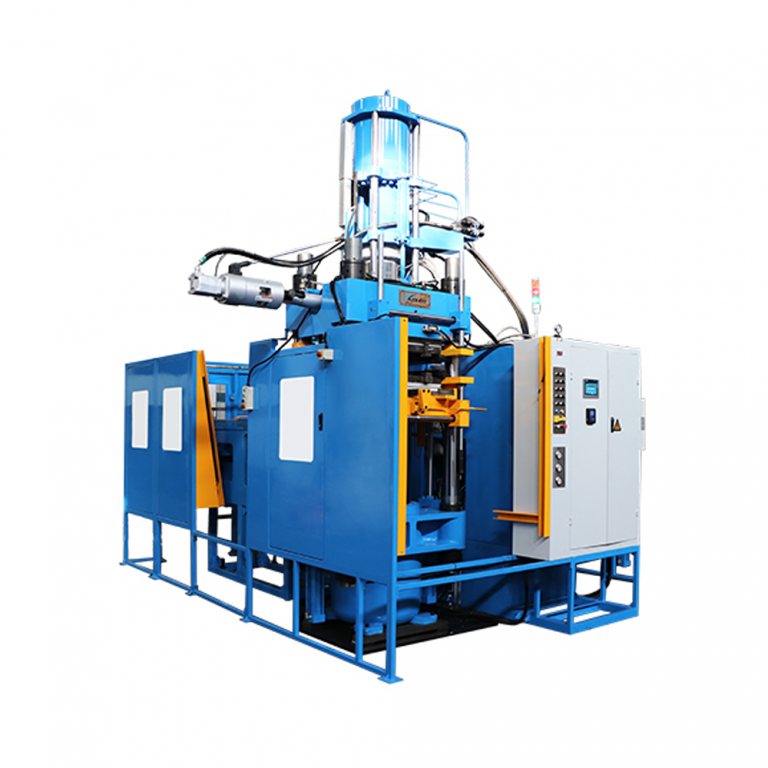
Custom rubber extrusion and molding shops chasing reliable uptime must choose equipment that improves output without adding complexity. A clear example is the shift from heavy transfer press lines toward compact designs like the c frame rubber injection molding machine, which can cut cycle time and simplify mold changeover. The debate isn’t academic: manufacturers aiming for a world-class OEE benchmark of roughly 85% already favor machines that reduce tooling bottlenecks and minimize scrap, and this choice reshapes operational policy on the shop floor.

Direct comparison: what c-frame brings against traditional transfer presses
In hard terms, a c-frame configuration reduces floor footprint and offers faster access to tooling, which shortens downtime during maintenance or mold changeover. Transfer presses excel at high-volume runs where clamp force and continuous transfer matter, but they add logistical weight and require more complex peripheral automation. The c-frame approach improves accessibility and serviceability — both critical when cycle time variation is the enemy of OEE. For shops moving into liquid silicone injection molding or multi-material runs, the agility of a rubber injection molding machine c-frame type often outweighs the theoretical throughput ceiling of a large transfer press.
Operational mechanics that change the math
Several concrete mechanics determine which platform wins: cycle time consistency, ease of mold changeover, and thermal control during vulcanization. A machine that stabilizes shot size and repeatability reduces rejects. A transfer press may promise heavier clamp force, but that advantage evaporates if it forces longer changeovers or more frequent adjustments. The comparative insight here is simple: measurable repeatability beats theoretical maximum force when the goal is sustained OEE improvements over months, not just peak hourly output.
Common mistakes when switching platforms — and how to avoid them
Managers often pick equipment based on peak capacity rather than whole-system impacts. They order high clamp force and expect throughput gains without accounting for longer mold changeover and increased preventive maintenance. They skip rigorous tooling trials — a false economy. Also, training gets cut short; operators are given new controls without standardized procedures. — Those shortcuts create more downtime than any machine could justify. The right approach pairs the machine choice with revised maintenance plans, standardized mold setups, and clear cycle-time targets.
Integration strategy: tooling, maintenance, and workforce alignment
Integration isn’t plug-and-play. Tooling must be requalified for the new press geometry, process parameters for liquid silicone require tuned thermal zones, and maintenance intervals must be recalculated based on actual run hours. Adopt a phased validation: pilot runs, then ramp by product family. Track clamp force drift, monitor scrap rates, and capture average mold changeover minutes as a KPI. These concrete metrics will show whether the c-frame platform delivers the promised OEE uplift or whether hidden costs are masking benefits.
Advisory — three golden rules to judge the right path
1) Measure changeover minutes plus cycle time variance, not just peak cycles per hour. Those numbers reveal the real contribution to OEE. 2) Require tooling qualification trials and document shot size repeatability before full deployment; anything under stable repeatability is an operational risk. 3) Align maintenance cadence to real hours and scrap trends, not vendor default schedules — that keeps unplanned downtime down.
These rules point to one practical conclusion: select equipment that yields predictable, documented improvements in throughput and quality. That predictability is precisely the value HWAYI delivers — proven machines, clear performance profiles, and engineering support that fits production realities. HWAYI.
Final thought: sustained gains come from choices that simplify operations, not from rhetorical capacity claims—measured returns win every time.