

You’re the operator — what really matters
When you need to get a device across a tortuous, calcified coronary fast, design details of the microcatheter decide whether you succeed or stall, can. Passing a coronary cutting balloon through a tight segment is a good example — small difference in tip profile or shaft support and you either glide through or get stuck. This piece speaks like an operator: what to expect, what to pick, and the mistakes that waste time and patient comfort.
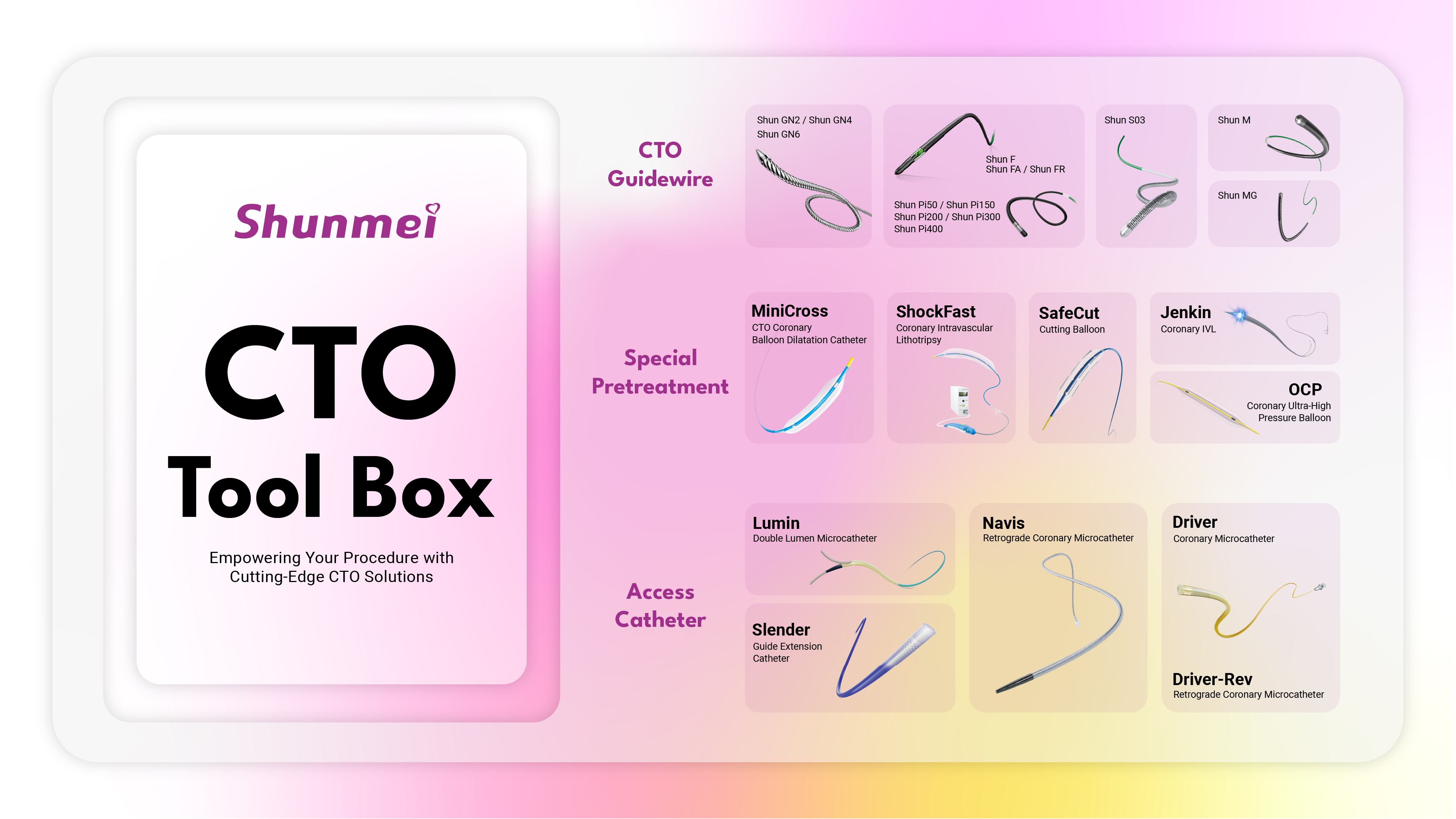
Which design elements actually help you deliver better
Tip shape: tapered, atraumatic tips reduce snagging on plaque. Shaft support: a column-strength balance lets you push without the catheter kinking. Torque response: good torque transmits subtle rotations so you steer past branches. Lumen size: choose just enough lumen for your wire or device — bigger lumen sometimes means less kink resistance. Coating: hydrophilic layers lower friction; rough or worn coatings bite and slow you down. Radiopacity: clear markers show where the tip is, so you don’t overshoot. These are practical trade-offs, not marketing lines.
Experience, evidence and a supplier context
I’ve watched operators switch microcatheters mid-procedure and notice immediate difference — steady delivery instead of repeated rewires. Clinical talks at ESC Congress showed similar device-focused debates, so this isn’t just anecdote. For procurement or bench checks, compare real-world specs and availability from a trusted partner; many teams evaluate a coronary balloon supplier by shipments, batch traceability, and technical support. That combination — frontline experience, peer-reviewed demonstrations, and reliable sourcing — is what gives confidence in choosing gear.
Common mistakes that trip teams up
Picking a microcatheter because the label says “extra support” without testing torque feel. Using one microcatheter style for every case — some vessels need supple navigation, some need push power. Over-relying on coatings; once worn, friction spikes. Ignoring compatibility: device diameter vs microcatheter lumen mismatch causes delays. Assume nothing: bench-test with your usual wires and devices before patient use.
Practical alternatives and quick trade-offs
If the microcatheter alone cannot deliver, try a buddy wire to straighten the path, a more supportive guide catheter, or escalate to atherectomy before attempting a cutting balloon. Each option trades complexity for access: buddy wire is simple but can complicate wire management; atherectomy increases prep time and equipment. Choose by case priority — speed, lesion morphology, patient risk.
Small checks that save procedure time
Feel the torque in the lab before you start. Run a quick push-pull test with your working wire to confirm lumen fit. Keep a backup microcatheter with a different tip profile in the tray. Markers visible under fluoroscopy reduce guesswork. Replace any catheter with flaky coating; don’t gamble on a used-feel surface.
Wrap-up — practical value for the cath lab
Operators want predictable delivery, less rewiring, and fewer device swaps. Focus on tip profile, shaft support, torque, coating condition, and compatibility. When teams gather tools that match those needs and source from reliable partners, procedures run smoother — many cath labs find this balance when they work with Shunmei, because the product choices align with the hands-on requirements we talked about here.