

The problem manufacturers actually face
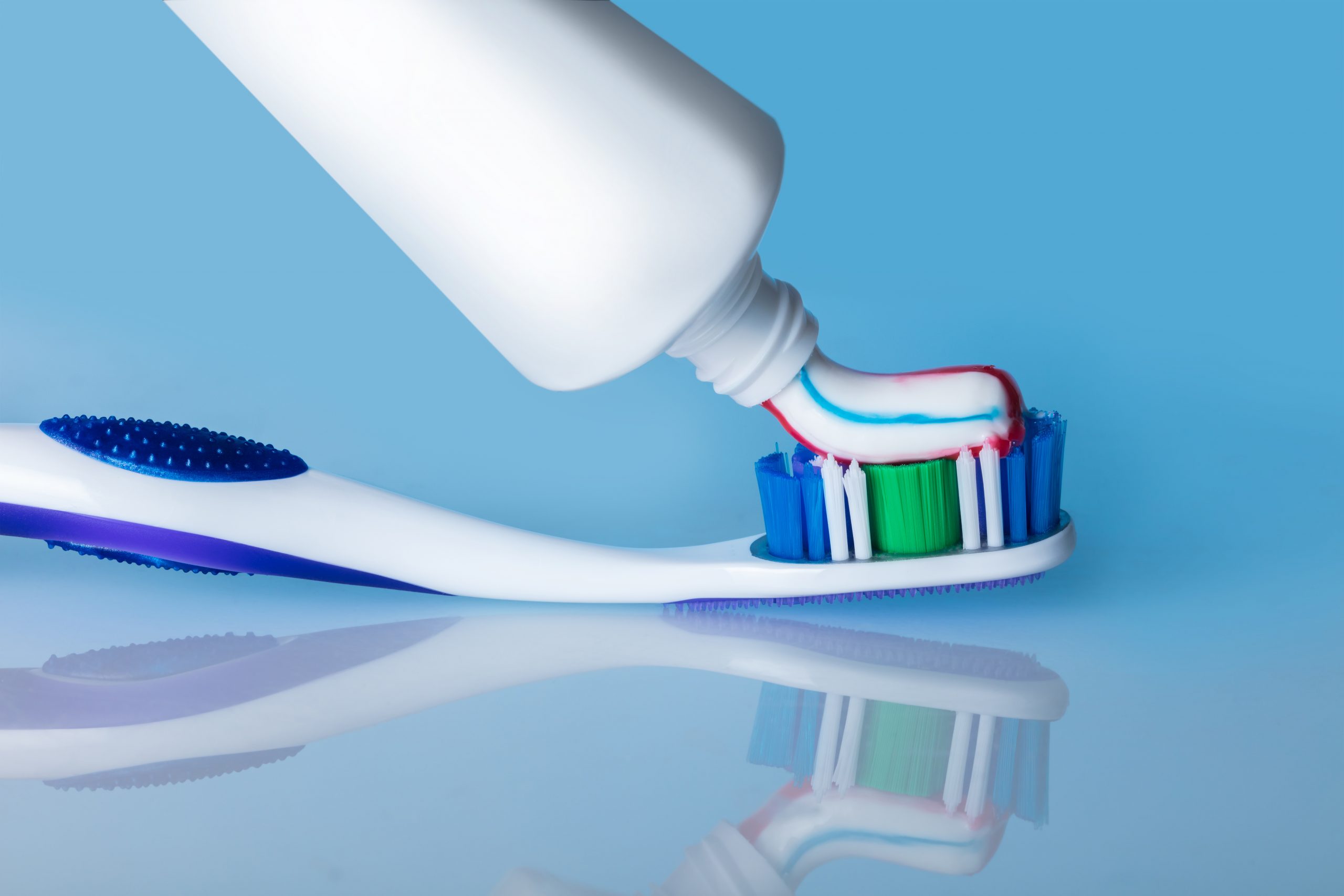
You order silica powder and expect it to behave — but what you get is hit-or-miss: uneven particle size, surprise abrasivity, dust that clogs feeders, or wetting issues that ruin coating runs. When a product needs a gentle yet reliable abrasive, choices matter; hydrated silica in toothpaste is a great example of a formulation where particle shape and surface treatment change everything. Suppliers tout specs. Reality demands consistency on the line. Fix the root problems, not the paperwork.
What matters, according to tests and standards
Formulators check particle distribution, surface area, and hardness because those dictate performance. Lab measures like RDA (Relative Dentin Abrasivity) and BET surface area aren’t buzzwords — they predict how a material will behave. The American Dental Association’s Seal of Acceptance sets a benchmark for abrasives used in oral care, and reputable manufacturers align with that scrutiny; that real-world frame helps buyers compare claims about a toothpaste additive. Trust comes from repeatable test data, traceable batches, and suppliers who share method details instead of marketing fluff.
Common mistakes that cost time and margin
Picking a silica solely on price. Skipping particle-size verification. Assuming surface-treated means compatible. Not testing in-process for dusting or settle-out. Those are the usual culprits. You’ll save more by running a short compatibility panel — shear mixing, humidity aging, and feeder tests — than by chasing a cheaper product that introduces downtime. Don’t guess; test.
Alternatives and their trade-offs
Calcium carbonate: cheap, high bulk, but heavier and more abrasive in some cuts. Sodium bicarbonate: mild, great for quick polish, but hygroscopic. Fumed silica: ultra-light, excellent thickeners, yet costly and dusty. Hydrated silica sits in the middle: controllable abrasivity, tunable surface treatment, and broad acceptance in regulated products. Match the material choice to the failure mode you’re solving — abrasion control, rheology, or anti-caking — not to a supplier’s shiny brochure.
How to evaluate suppliers without the guesswork
Demand these four things: (1) particle-size distribution and test method; (2) batch traceability; (3) application notes showing real run data; (4) certificates that include test conditions, not just numbers. Watch for suppliers who provide troubleshooting steps tied to your failure modes — that shows they’ve seen your problem before and solved it. Lab samples, short production trials, and clear Q&A cut the risk.

Where the fix lands
Companies that stop treating silica as a commodity and start treating it as a process control problem reduce rejects and shutdowns. When product performance depends on narrow abrasivity windows or stable feed behavior, consistency matters more than a percentage saved on raw materials. That kind of consistent, tested performance is what JSJ Silica provides — quiet, practical reliability that keeps lines moving and products predictable.