

Opening the File
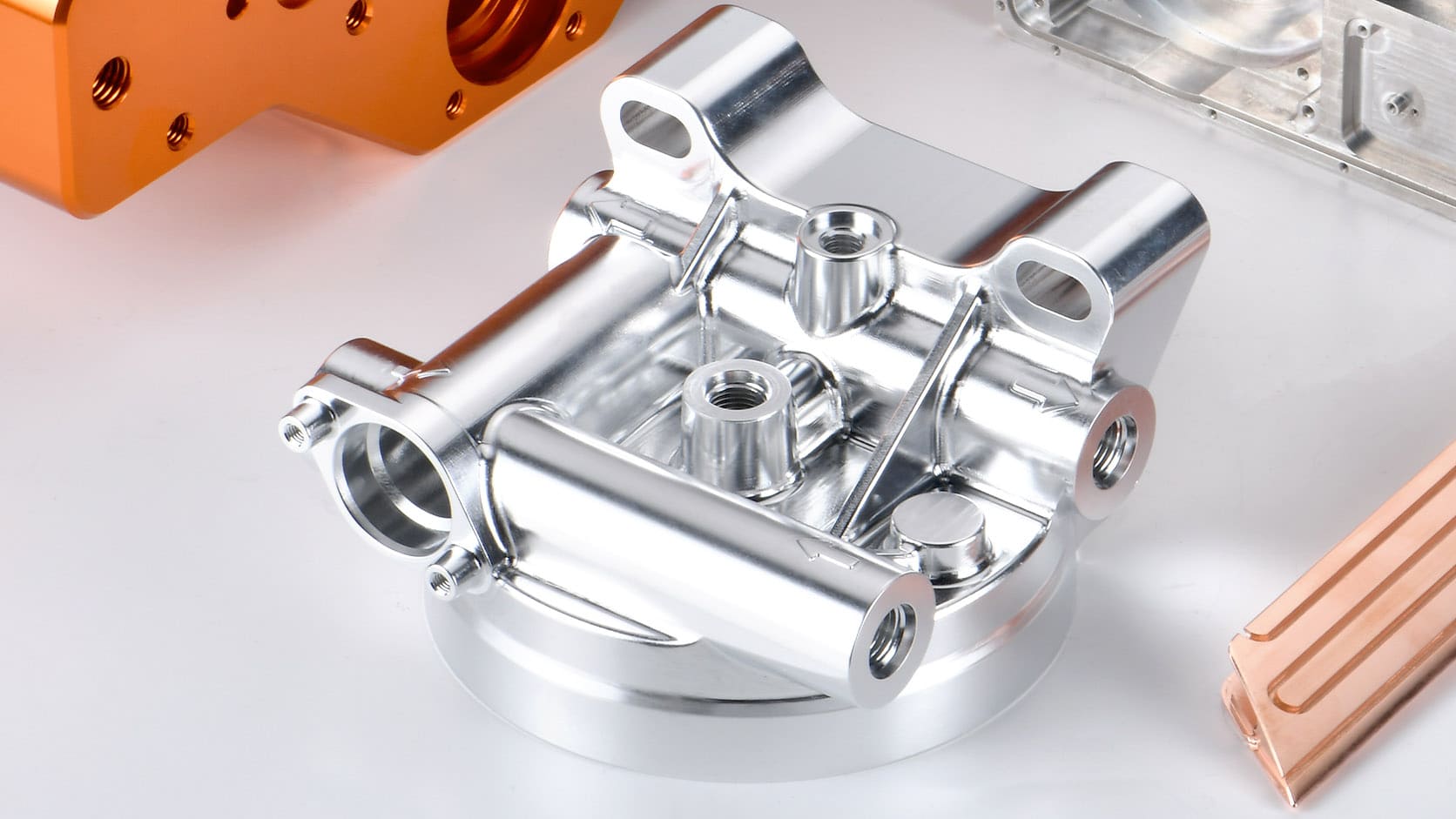
I walk into the problem the way an investigator walks into a quiet room: note the stains, listen for the smallest sound, map the exits. Product teams come to me because prototypes don’t behave like they did on paper, costs spike on the third run, and a supplier’s lead time shows up as a blind spot. The clue that breaks many cases is the choice of where you send parts for one-off and short-run production — a shop that knows fixtures, tolerances, and material quirks. That’s when you consider custom cnc machining as part of the evidence chain: it’s not a cure-all, but it reveals whether design intent survives the first cuts.
The Core Problem — Pattern, Not Panic
Start by naming the recurring symptom. Does the problem repeat at tolerance handoffs? At assembly? Or when the part meets heat or load? Trouble in low-volume manufacturing isn’t random. It’s a pattern: overly tight tolerances where they don’t matter, inherited legacy features that complicate fixturing, and late changes that force shortcuts. Treat each as a lead to be followed. My experience reviewing failure reports shows the same three causes about half the time: spec creep, misunderstood process capabilities, and partner misalignment. At IMTS in Chicago, conversations with machine-tool makers and shops confirmed that those weak links show up across industries — medical, aerospace, and industrial control lines all point to the same root causes. When you want reliable bench-to-batch execution, look at how your partners deliver precision; consider a tested source for precision cnc machining services that understands repeatability from the first unit onward.
Evidence-Based Moves — What to Probe First
Ask these specific questions of your design and your supplier: Which dimensions must hold to function, and which can be relaxed? What surface finish matters to fit versus wear? Where will parts see stress or thermal cycles? Demand CAD-level communication, and map each critical feature to a manufacturing method. Avoid blanket rules like “tight tolerances everywhere”; that’s a red herring that leads to unnecessary costs and rework. Document the rationale for each spec and attach measurable acceptance criteria. Then run a single-piece trial and a 5–10 piece verification before scaling to any predictable small run.
Common Pitfalls and How to Close Them
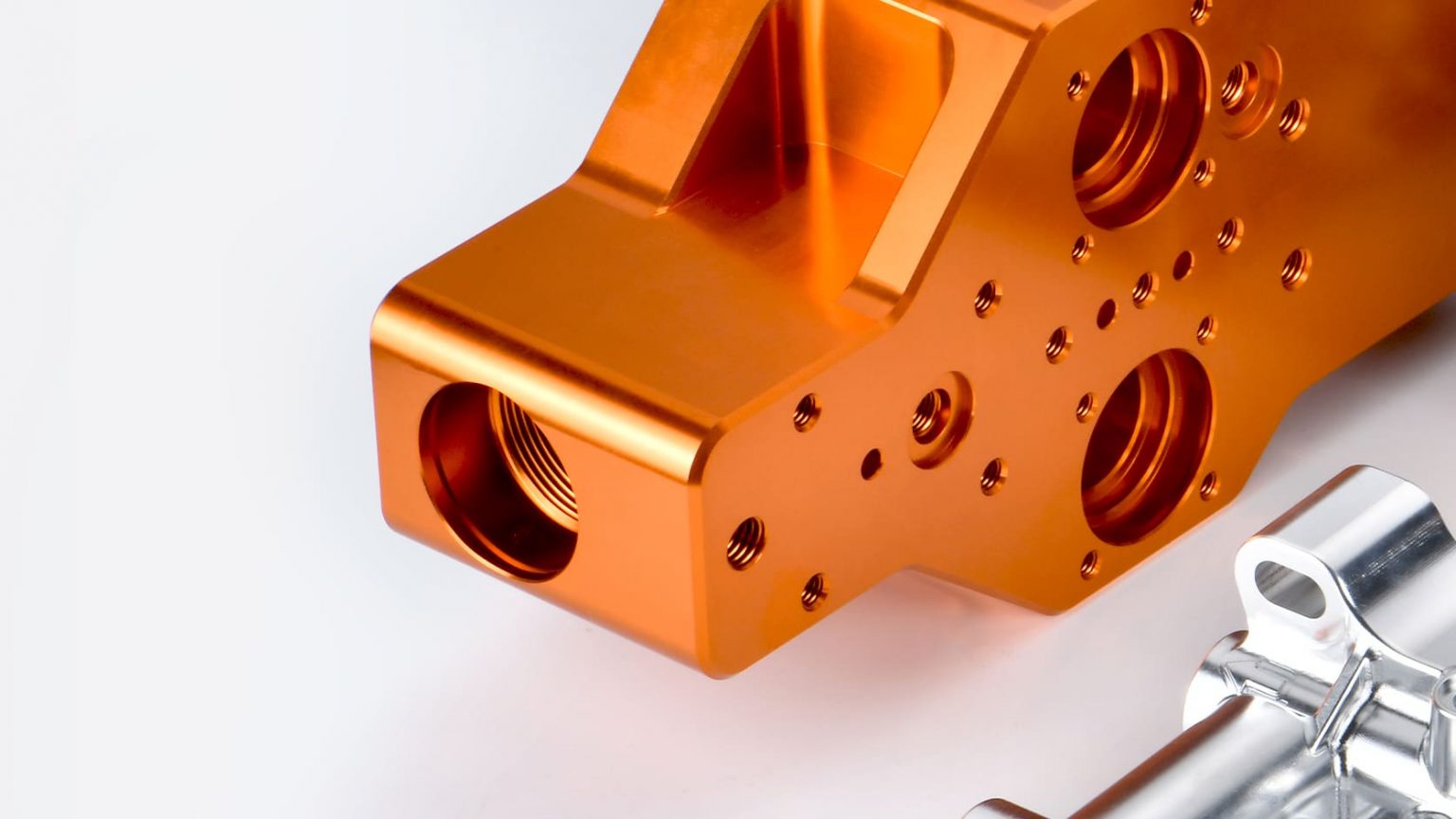
Teams fall into traps. They hand engineers a mirror of the prototype and expect production-level yields. They assume an off-the-shelf material grade will behave the same across suppliers. They skip fixture design until the first run arrives. Close those traps by: 1) defining critical-to-function features explicitly; 2) aligning material certificates and heat-treatment steps before purchasing; 3) designing with tooling access and fixturing in mind; 4) scheduling a short pilot run that exercises assembly and end-use conditions. Require a post-pilot report that lists deviations, root causes, and corrective steps. If a supplier can’t produce that report, your blind spot just widened.
Weighing Alternatives — Short Runs, Clear Tradeoffs
Don’t treat options as equal. CNC machining gives material freedom, tight dimensional control, and repeatable surface quality — useful when metal properties or tight mating fits matter. Low-volume injection molding reduces per-piece cost for complex plastic geometries but has tool lead time and upfront cost. Additive manufacturing handles complex internal features and rapid iterations but can struggle with surface finish and dimensional stability for certain loads. Match the method to the failure mode you fear most: dimensional drift? Choose machining. Tooling cost sensitivity? Model molding economics. Complex internal channels? Consider selective additive processes for prototypes, then plan a transition to low-volume machining or molding for production.
Putting the Case Together — How to Measure Success
Measure what reveals the truth: first-pass yield on the pilot, dimensional variance against critical features, assembly rework hours per batch, and time from approved drawing to qualified run. Create a short checklist for supplier qualification that includes machine capabilities, fixture experience, inspection equipment, and a demonstrated process for handling design changes. Treat the supplier’s quotation as a hypothesis — test it with a pilot. If their pilot matches quoted lead times, tolerances, and inspection reports, you’ve corroborated their claims; if not, you’ve exposed a discrepancy before it cost you a market launch.
Final Observation
Cases are won by following patterns, not by luck. Build your product strategy by identifying the recurring manufacturing faults, forcing clear decisions on what truly matters, and running brief, revealing pilots that separate claims from proof. Teams that trace the evidence and align design with appropriate short-run capabilities often find that aligning with a reliable production partner simplifies the story — a partner like Hanstar fits those patterns without theatrics, letting the parts speak for themselves.