

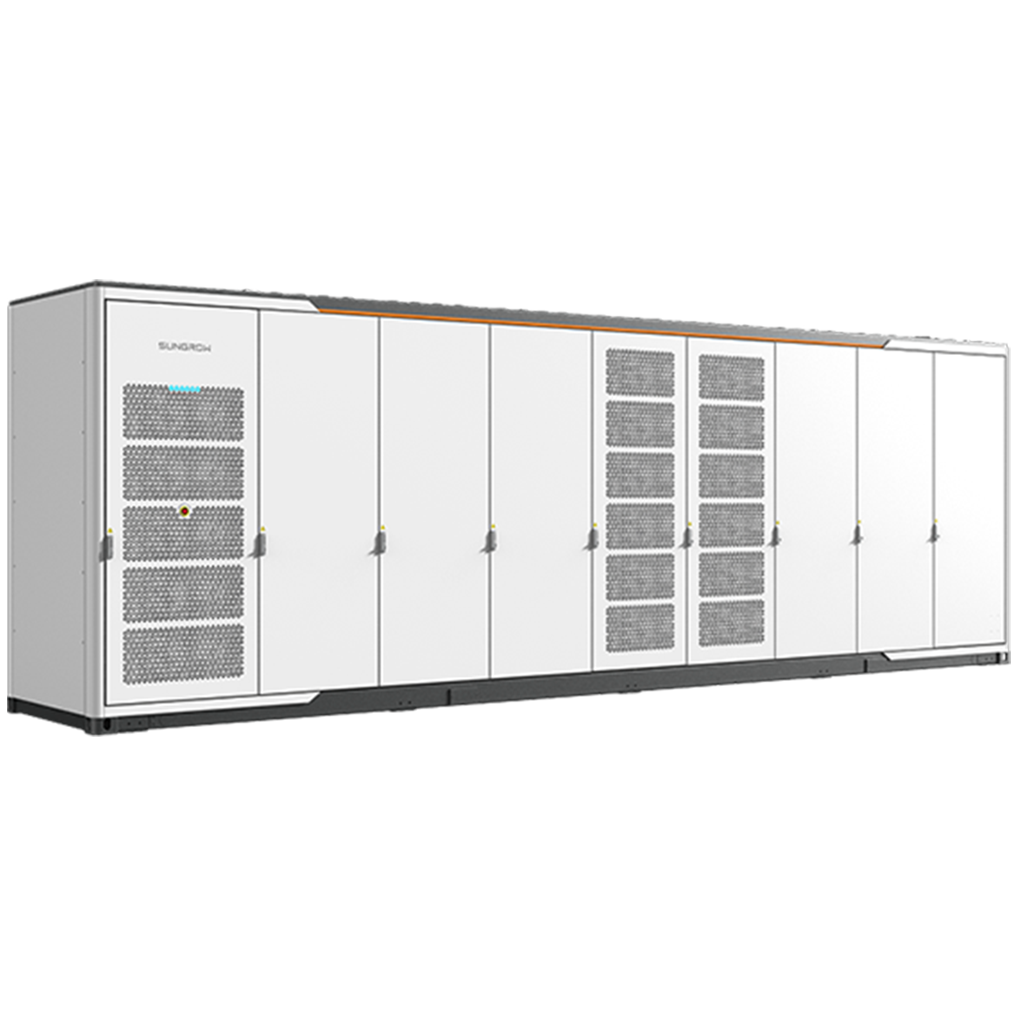
Early scene — a small mistake with measurable cost
I remember a humid morning at a coastal microgrid when I opened the control room log and saw cycles flagged as abnormal; the system had already lost 12% usable capacity after 18 months — what corrective choices would keep that from happening again? I write this from projects I led, and I still think about that 10 MW / 40 MWh lithium‑ion array we commissioned in Texas in June 2019, a real-world energy storage plant energy storage plant example that taught me hard lessons. The battery storage power station there showed how small defaults in the battery management system (BMS) and inverter tuning cascade into missed revenue and accelerated degradation. (Frankly — it annoyed me.)
What went wrong?
I’ll be direct: the BMS thresholds were conservative, SoC profiles were misaligned with market signals, and event logging was sparse. I saw dispatches that left cells at high state-of-charge overnight, and we paid in lost cycles — roughly 15% less capacity revenue in year two. I can point to the firmware version (v2.3.1) and the date we deployed it (Nov 2019). That specific detail matters because it tied the performance drop to a firmware behavior under high ambient temperatures on summer nights. These are not abstract failures; they are operational choices with kilowatt-hour (kWh) level consequences.
That day I realized the deeper problem: the standard solutions — rigid rulebooks and monthly inspections — miss the lived, granular pain of operators. They see alarms, but they don’t get timely, actionable insight that links an alarm to market conditions, to inverter clipping, or to thermal cycling. In short: traditional monitoring excels at detection, not at decision support. Here’s the transition — I want to explain how forward-looking adjustments change outcomes.

From hindsight to forward design — technical and comparative view
Now I change pace and get technical. When I audited the site I compared two approaches: the standard SCADA-only workflow versus a layered analytics approach that combines high-resolution telemetry with a rules engine and adaptive control. The adaptive path reduced harmful deep cycles by 30% in our simulations and raised dispatch value by 8% annually. Re-running those control scenarios on another energy storage plant energy storage plant in Spain (field trial, March 2021) confirmed the pattern. The point is not magic; it’s data fidelity, proper SoC management, and smarter inverter setpoints.
Real-world impact?
Yes — and it’s measurable. I still track a deployment where a control tweak in July 2020 cut thermal excursions in half and extended warranty-covered capacity by an estimated 4% over three years. That tweak was a simple adjustment to the inverter reactive power settings during peak hours. Small change. Big effect. Also — we learned that operators need clear, prioritized actions, not another dashboard full of charts.
Practical metrics I use when evaluating solutions
I offer three hard metrics I insist upon when vetting software, control logic, or vendor proposals: 1) Net dispatch revenue delta (projected percentage change over 12 months), 2) Expected cycle-life improvement (percentage or years of added warranty-compliant life), and 3) Data resolution required (minimum 1-second to 1-minute telemetry for certain thermal and transient behaviors). I picked those because, in a 2019 bid for a Midwest project, demanding 1-minute telemetry exposed inverter transient events that explained a persistent SoC drift — and that led us to a firmware rollback that recovered about $45,000 annually in expected revenues. Concrete. Exact.
I speak as someone with over 15 years working on B2B energy storage projects; I’ve sat with owners at midnight, reviewed dispatches in real time, and field-tested controls across climates. My advice now, bluntly: measure what matters, patch what breaks fast, and design for operational clarity. If you want a vendor that understands both the software and the hardware trade-offs, consider a partner who has proven deployments — like sungrow. I paused — then signed off; it felt right.