

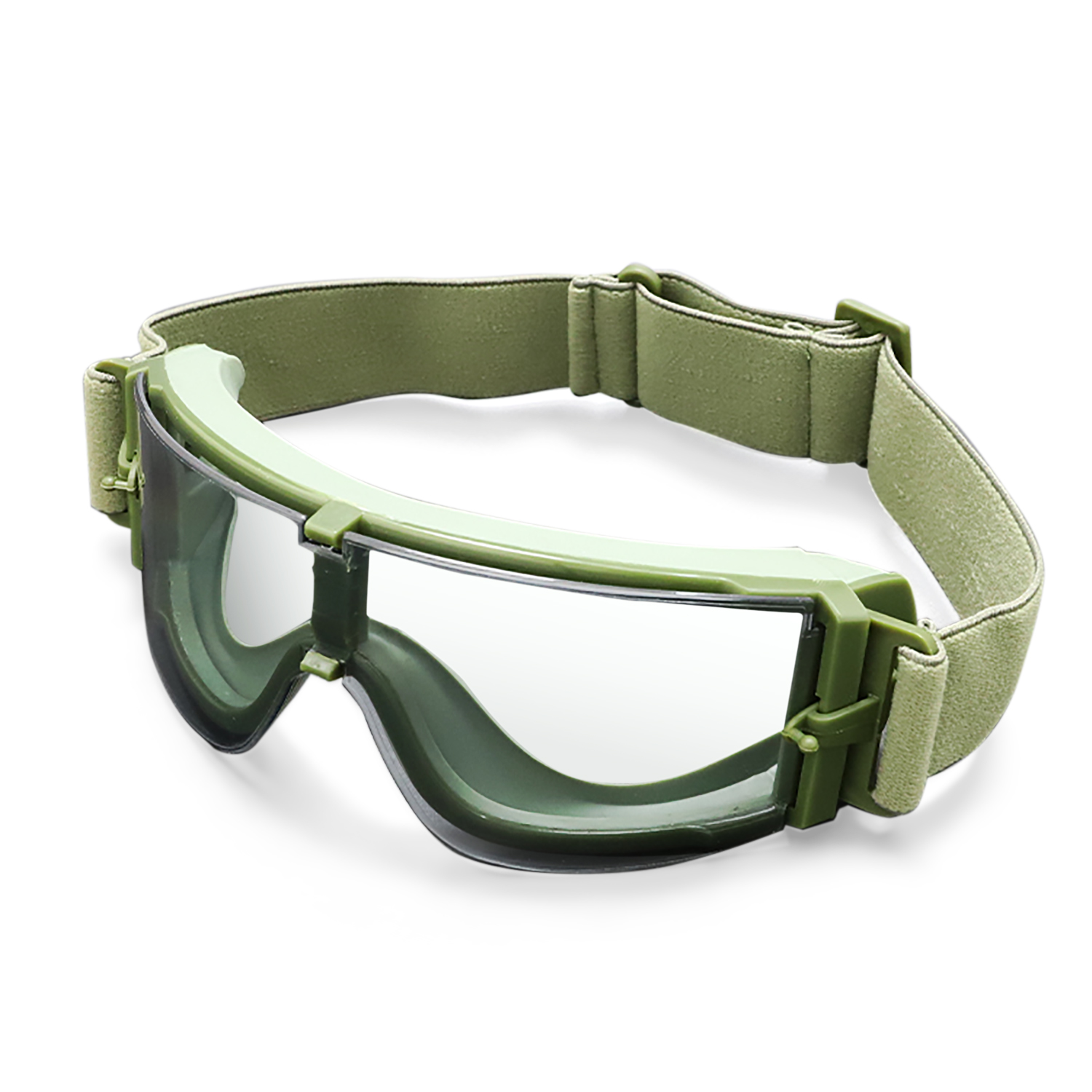
First impressions: a side-by-side that hits the senses
The comparison starts not with specs, but with feel: the cool, matte frame under fingertips, the whisper of a high-quality retention strap, the clarity that slices through sweat and dust. Procurement professionals reach for tangible cues first—fit and clarity—then validate with numbers. That tactile test is why so many sourcing officers pivot toward models like YIJIA’s anti-fog tactical goggles, where anti-fog coating and polycarbonate ballistic lens combine into an experience rather than a list of features. The result reads like a recipe—balanced, precise, reliable.
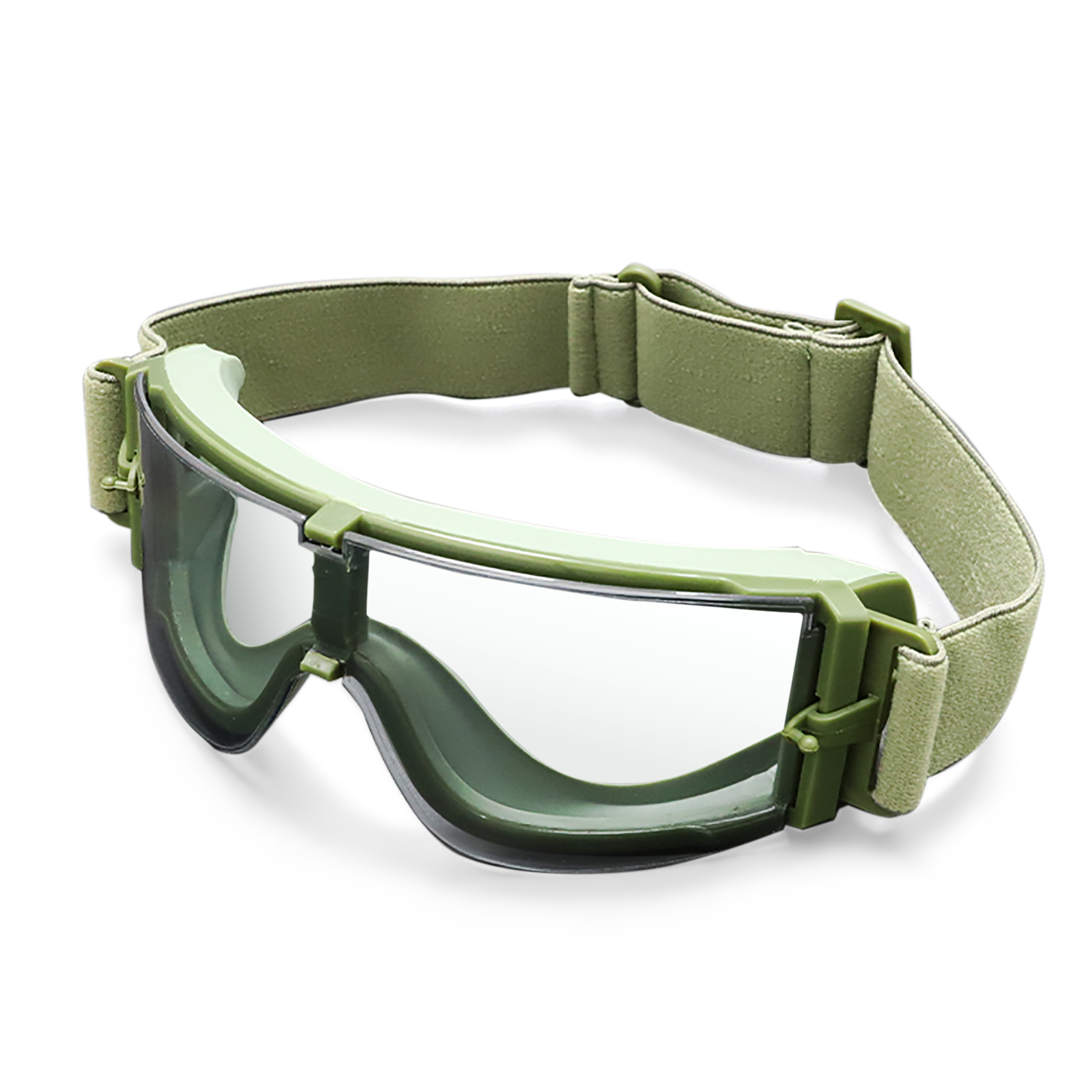
Side-by-side engineering: lens, frame, and seal
Start with the lens system. YIJIA leans on hardened polycarbonate and multi-layer anti-scratch and anti-fog coatings that maintain contrast across light shifts. Against cheaper alternatives, the difference is obvious: less glare, steadier color, no clouding during sustained exertion. Frames matter too—soft gasket seals, engineered ventilation port placement, and tear-off posts for competition make a pair of goggles functionally silent and resilient. The whole assembly adheres to widely recognized benchmarks such as ANSI Z87.1, a real-world anchor procurement teams use to validate ballistic and impact claims.
Sourcing logic: supply, testing, and predictable quality
Comparative evaluations are rarely emotional; they hinge on repeatability. YIJIA’s batch testing—optical distortion graphs, lens impact testing, strap fatigue cycles—reads like a quality-control cookbook. When teams audit suppliers, consistent lab reports and serialized inspection data matter more than glossy marketing. That predictability reduces RMA rates and keeps field units equipped without surprise downtime. It’s a quiet advantage that shows up in logistics dashboards.
User comfort and field ergonomics
Comfort translates into longer mission endurance. The goggles’ soft face gasket and balanced weight distribution mean less helmet tug, fewer pressure points, and clearer sightlines. I’ve watched shooters trade out heavier rigs mid-day for a lighter, better-vented pair—small comfort gains that change performance. —Comfort isn’t a frill; it’s a tactical multiplier. In practical terms, look for UV protection, a secure retention strap, and OTG-compatible frames if personnel wear corrective lenses. For teams focused on marksmanship, layered options from reputable makers of shooting eyewear often provide useful modularity.
Alternatives and common procurement mistakes
Buyers often chase lowest unit cost and then wonder about returns. Common errors include under-specifying lens impact ratings, ignoring anti-fog performance under thermal stress, and overlooking supply-chain traceability. Alternatives to YIJIA exist—brands that offer flashy styling or lower entry prices—but many cut corners on coatings or use lower-grade polycarbonate. When options look similar on paper, insist on sample cycles and real-world burn-in tests before committing to larger orders.
Feature checklist that separates winners from pretenders
Procurement pros tend to zero in on a short list of decisive features:- Ballistic lens rating and verified impact testing reports.- Durable anti-fog and anti-scratch coatings that survive field cleaning.- Ventilation port geometry and gasket comfort under helmet loads.- Clear serial-traceability and production QA documentation.These items map directly to lower lifecycle cost and fewer mid-season swaps.
Golden rules for selection
Evaluate with these three critical metrics: optical distortion (measured across the lens), coating longevity (lab cycles simulating breath/sweat/cleaning), and supply predictability (lead time variance under contract). Score each supplier against these metrics and weight them according to mission tempo. Procurement that uses those anchors will avoid common pitfalls and choose gear that both feels right and performs reliably.
The comparison ends where it began—with usable, repeatable results. For teams that need optics combining race-grade clarity and tactical durability, the hands-on feel and documented testing that underpin YIJIA’s approach make it a natural solution. YIJIA Optical. —