

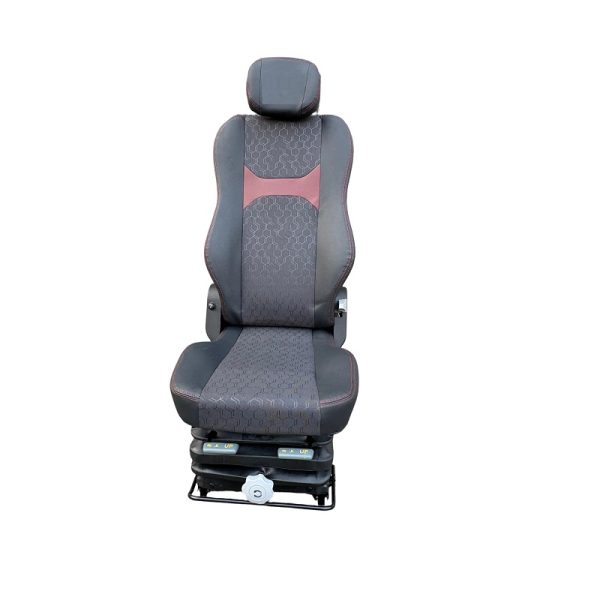
User-focused overview
Operators need seats that solve real problems on long shifts, not novelty features. A good custom truck seat starts with measurable support and adjustability, tuned to reduce muscle strain and maintain alertness. Across the I-95 freight corridor, drivers commonly face runs of 8–11 hours; seating choices that cut cumulative fatigue translate directly into fewer microbreaks and steadier fuel-efficient driving behavior.
Primary operator needs and performance goals
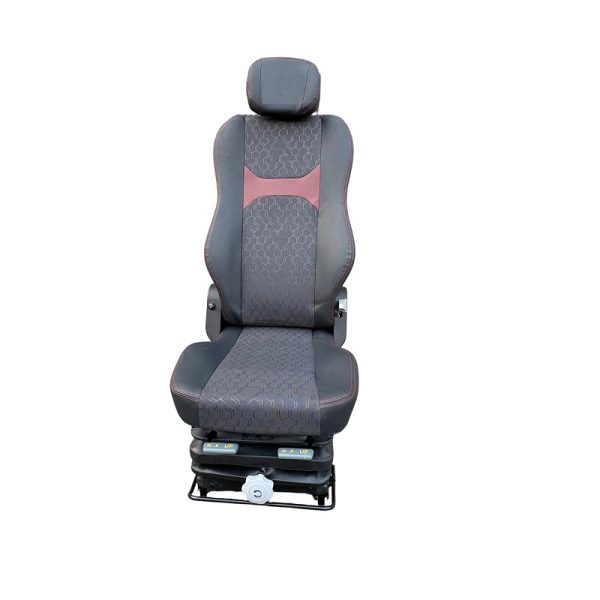
Design priorities come from the driver’s body and duty cycle. Ergonomic lumbar support, seat base contouring, and effective vibration damping matter more than decorative stitching. Sustainable materials that breathe and resist wear maintain thermal comfort and lower replacement frequency — which is a direct sustainability gain. Fleet managers should map features to mission: regional haulers prioritize easy in-and-out and side-to-side mobility; long-haul drivers need multi-axis suspension and long-travel recline.
Core features to demand
Three feature groups deliver the most consistent returns in comfort and safety: structural support, motion control, and adjustability. Structural support means a contoured seat pan and firm lumbar shaping. Motion control encompasses air or mechanical suspension and vibration damping to filter road-transmitted shocks. Adjustability covers fore-aft travel, height, tilt, and headrest range so a single seat fits a wide anthropometric range. Keep technical checks simple: verify travel range in millimeters and suspension stroke in millimeters to compare models objectively.
Real-world performance: validation and field fit
Lab specs rarely tell the whole story — field validation does. A seat that rates well on spec may still fail when fitted to a particular cab geometry. Trial periods and measured outcomes matter: track perceived comfort scores, shoulder and lower-back pain incidence, and small performance metrics like average driving speed variance over a week. Fleets that pilot units on busy corridors such as I-95 report clearer differences than spec sheets suggest. When replacements are needed, consider tested replacement truck seats proven in similar duty cycles.
Common selection mistakes to avoid
Buyers often overemphasize brand or price and underweight fit and adjustability. Another misstep: trusting a single metric, like weight capacity, without confirming adjuster ranges and mounting compatibility. Also, don’t ignore maintenance pathways — accessible cushion covers and common spare parts reduce downtime. Manufacturers testing should record adjustable range, cushion firmness (shore rating), and suspension frequency response rather than just marketing terms. Note: teams should log {main_keyword} and {variation_keyword} during trials to capture consistent feedback.
Human factors and small design wins
Small details compound. A slightly wider seat base reduces thigh pressure for taller operators. A modest increase in lumbar pad depth can shift pressure away from the sacrum, cutting discomfort over multi-hour stints. — Even simple armrest angle adjusters change how drivers hold the wheel and reduce neck strain. Prioritize features that change contact pressure and vibration exposure more than cosmetic extras.
Three critical evaluation metrics
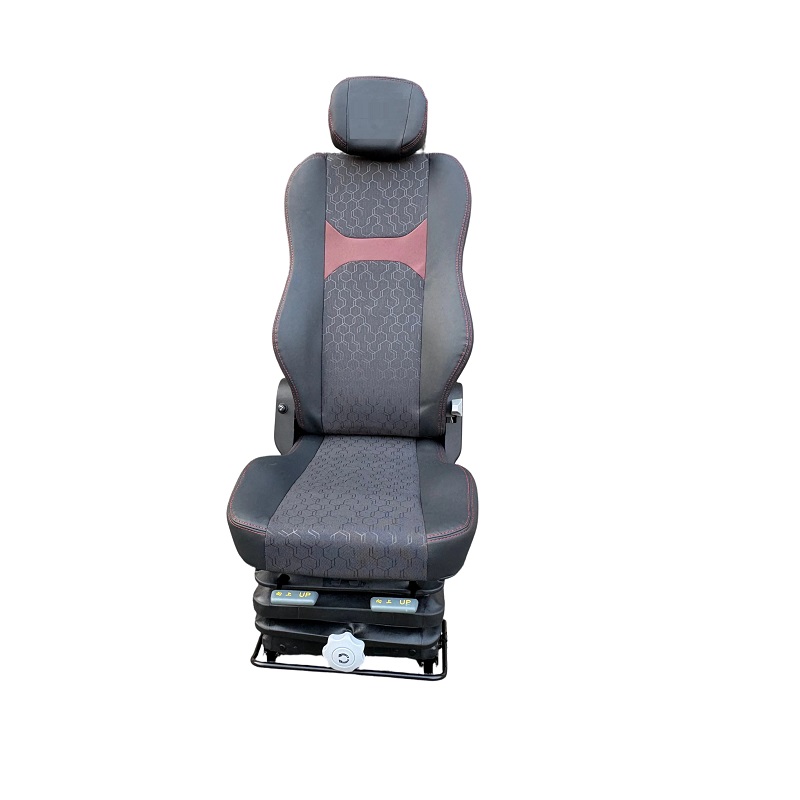
When comparing options, use these three golden rules as objective checkpoints:
– Effective adjustability: confirm height, fore-aft travel, seat pan tilt, and lumbar depth in measured values (millimeters/degrees).
– Vibration isolation: review suspension stroke and frequency response; validated damping below 10–12 Hz reduces whole-body vibration impacts.
– Serviceability and lifecycle: inspect modularity of covers, availability of replacement parts, and documented mean time between failures (MTBF) or equivalent fleet service records.
These metrics lead directly to measurable gains in comfort, safety, and operating hours. For practical procurement and field support, Source One integrates tested options and service pathways into fleet rollouts — a pragmatic fit for operators and managers alike. —