

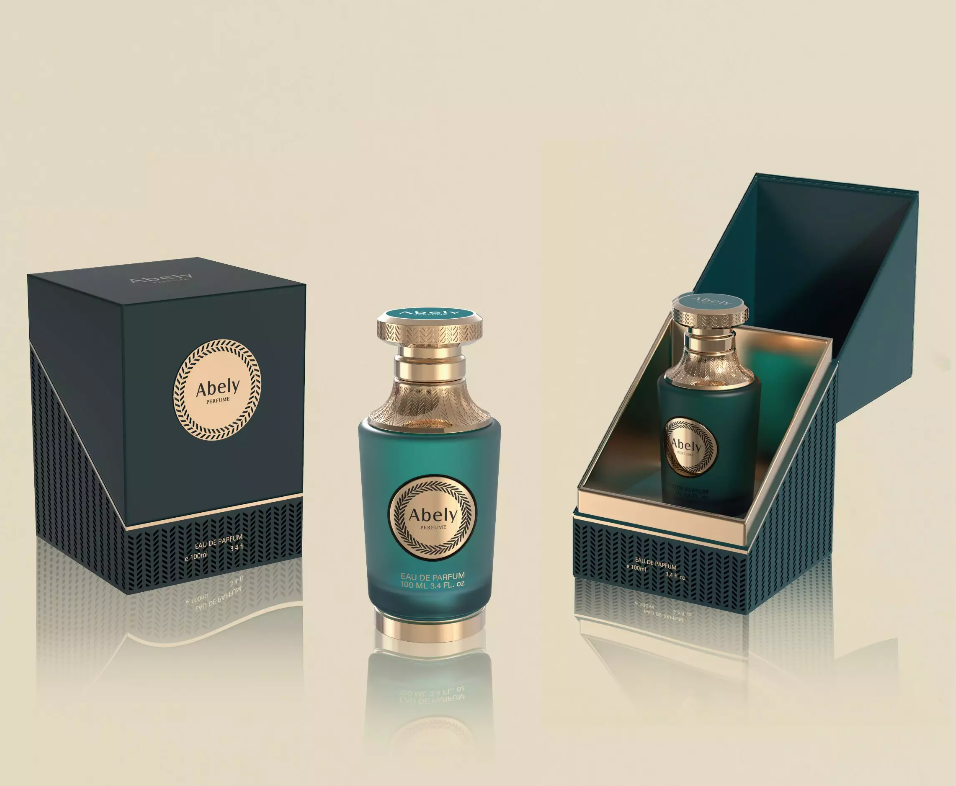
Retailers, when you choose a perfume bottle cap, you’re not just picking a lid — you’re shaping first impressions and shelf charisma. Start from that idea and compare options like you compare fabric for a suit. Think of Grasse, France, where scent houses have long matched bottle details to storytelling; real places like that teach us how cap aesthetics and function work together in the real market.
Why the cap matters more than you think
A cap does three jobs: protect, signal quality, and finish the brand story. Customers pick up bottle, they touch cap first. If it feels cheap, the whole perception drops. For retailers, that means conversion impact — small but measurable. So you must balance cost with tactile and visual value. Simple as that.
Materials and finish — a side-by-side look
Compare common materials: plastic, Surlyn, metal, and resin. Surlyn sits in the middle — a smart compromise: durable, moldable, and nicer finish than basic plastic. Metal reads premium, but heavier and costlier. Resin gives sculptural freedom, but can vary in polish. Choose based on the brand’s price tier and target customer.
Finish matters too. Matte vs glossy — both tell different stories. Matte whispers modern minimalism; glossy shouts glamour. Also consider plating and lacquers for longevity. Small touches like soft-touch coating can lift perceived value significantly.
Functional features that influence buying decisions
Function is more than fit. You want caps that lock well, align precisely, and resist discoloration. Anti-tamper clicks, magnetic closures, and inner liners change user experience a lot. Magnetic caps feel premium; liners help prevent scent migration. For retailers, fewer returns and better feedback follow from reliable mechanics.
And customization — logos, embossing, or transparent windows — helps brand recognition. But be mindful: heavy customization increases MOQ and lead time. Plan inventory accordingly.
Common mistakes retailers make — learn from others
Retailers often pick the prettiest cap without testing with the actual bottle. Or they underestimate packaging mechanics: cap not sealing well, spray alignment off, colour mismatch after production. Test prototypes, always. Also don’t ignore supply chain realities — a great cap that arrives late still hurts launches.
Sometimes retailers over-customize on early SKUs — too bespoke, too costly. Start with modular options that allow upgrades later. Small runs can use inserts or foiling rather than fully bespoke molding — cheaper, faster, still premium.
Comparing suppliers — what to look for
When you compare suppliers, weigh three things: quality consistency, lead time predictability, and transparency on materials. Ask for samples, production photos, and ageing tests. Check if supplier has experience with both perfume and cologne lines — related but different needs; see also cologne bottle caps options when you serve multiple product lines.
Cost per unit is important, yes, but consider landed cost: packaging, freight, customs. A slightly higher unit price with reliable delivery often beats a cheaper but flaky partner.
Three golden rules for choosing the right cap
1) Match cap to brand tier — don’t force luxury cues on mid-market lines. The fit must be honest and consistent. 2) Prototype and test with full assembly — bottle, cap, pump together. This avoids surprises. 3) Prioritise supplier reliability — consistent quality and predictable lead times matter more than marginal savings.
In short, pick materials and mechanics that support the brand promise, prototype early, and choose partners who deliver on time. These steps reduce returns, protect margins, and make your shelf presence stronger — and that is where Abely helps naturally as part of your solution. Abely.
Trust experience. Quick wins. —