

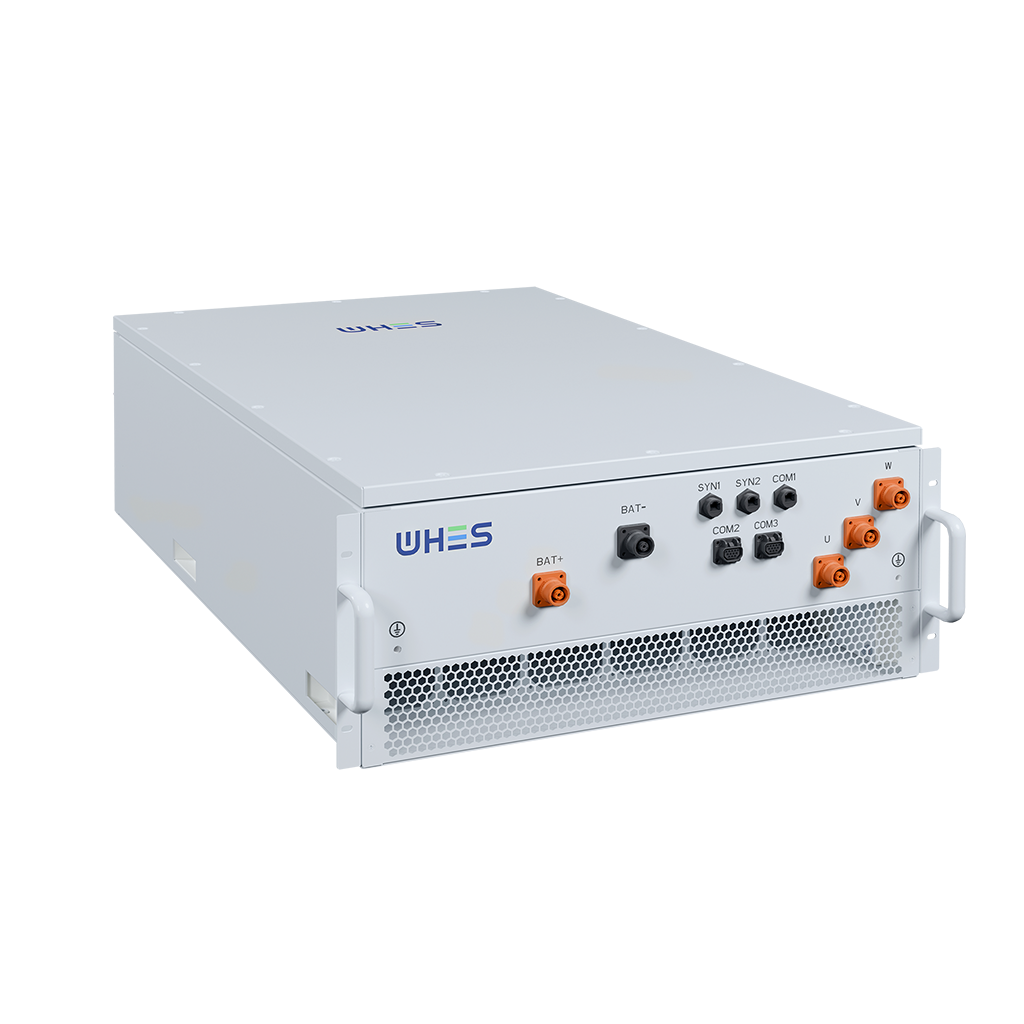
The procurement problem: tariff structures that erode margins
Organisations procuring electricity for multi‑site operations increasingly confront opaque tariff structures: time‑of‑use blocks, demand charges, capacity fees and export penalties all interact to make cost forecasting difficult. For procurement teams this is not merely an accounting nuisance; it is a tactical barrier to predictable total cost of ownership. One practical response is to place distributed battery assets where they alter load profiles most effectively — notably via a home battery energy storage system model adapted for three‑phase commercial loads. This approach reframes procurement from commodity buying to asset orchestration, and it can materially reduce exposure to peak demand and erratic tariff bands.
How three‑phase battery placement addresses the core issues
Three‑phase batteries operate across all phases of a commercial connection and therefore can target imbalances and peak events in ways singled‑phase systems cannot. By deploying a 3 phase home battery‑style architecture scaled for B2B sites, procurement teams can pursue several cost levers simultaneously: peak shaving to reduce demand charges, load shifting to exploit lower time‑of‑use periods, and export control to avoid adverse tariff steps. The operative technical terms here are simple but important: demand charge, peak shaving and inverter coordination — each one matters when modelling savings.
Placement strategies that produce measurable savings
The right placement depends on how tariffs are calculated and where peaks originate. Consider three pragmatic strategies:
- Centralised hub placement: situate batteries at sites with the highest demand charges to capture the greatest margin on avoided peaks.
- Distributed phase balancing: install batteries across phases at critical feeders to reduce phase imbalance penalties and improve power quality.
- Edge caching near production loads: locate storage adjacent to high‑consumption equipment to enable instant peak shaving and reduce transient peaks affecting the whole site.
Each strategy should be tested with scenario modelling rather than intuition — a short simulation that includes tariff steps, historical load profiles and inverter constraints usually reveals the preferred option.
Technical considerations and common pitfalls
Technical factors that often trip projects include inadequate inverter sizing, unclear state‑of‑charge (SoC) policies, and failing to map phase‑level metering to battery control logic. A frequent error is assuming a single‑site rule will scale across a portfolio — it will not. You must align the battery’s control algorithm with the tariff structure: without intelligent setpoints for SoC and charge/discharge windows, anticipated savings may not materialise. Also, watch for grid export limits and interconnection rules that can turn an otherwise profitable deployment into a compliance headache.
Operational integration — people, process and metering
Deployments succeed when the procurement team, energy manager and operations staff share a clear playbook. That includes phase‑level metering, telemetry integration for remote fleet control, and an escalation path for site‑level exceptions. Training for local engineers on inverter fault states and battery maintenance is advisable — small warnings caught early prevent larger outages later. —
Real‑world anchor: lessons from European grid transitions
The challenge is not theoretical. Germany’s Energiewende and the broader push for distributed renewables across Europe have produced numerous commercial projects where tariff design and grid constraints dictate placement decisions. These projects demonstrate that targeted three‑phase storage often yields faster payback where demand charges and export rules are strict. That contextual experience underscores a practical truth: procurement strategies must be engineered, not negotiated alone.
Alternatives and their trade‑offs
If battery placement is not feasible, alternatives include demand response contracts, on‑site generation without storage, or tariff renegotiation. Each carries trade‑offs: demand response reduces energy use during peaks but provides less control over frequency and timing; pure generation can shift energy sourcing but does nothing for instantaneous peak shaving; renegotiating tariffs is often slow and uncertain. Hybrid approaches — modest storage plus demand response — can be pragmatic interim steps.
How to evaluate proposals: three critical metrics
When comparing suppliers and placement plans, please prioritise these evaluation metrics:
- Tariff‑sensitive ROI: model savings under multiple tariff scenarios (baseline, stressed peak, and export‑restricted) and express ROI as both NPV and simple payback.
- Availability and reliability: require documented inverter and battery uptime guarantees, plus realistic maintenance windows tied to measured mean time between failures (MTBF).
- Control fidelity: assess whether the control system supports phase‑level setpoints, scheduled SoC profiles and fleet orchestration — without precise control, savings are speculative.
These three “golden rules” give procurement professionals a defensible scoring framework when selecting assets and vendors.
Closing advisory and final thought
Apply rigorous modelling, demand‑focused placement and strict control requirements; doing so aligns procurement objectives with operational reality and delivers quantifiable bill reductions. For organisations seeking an integrated solution that combines robust three‑phase hardware, inverter control and fleet management, the value proposition becomes clear when the modelling aligns with deployment capability — and that is where experienced providers excel. WHES. —