

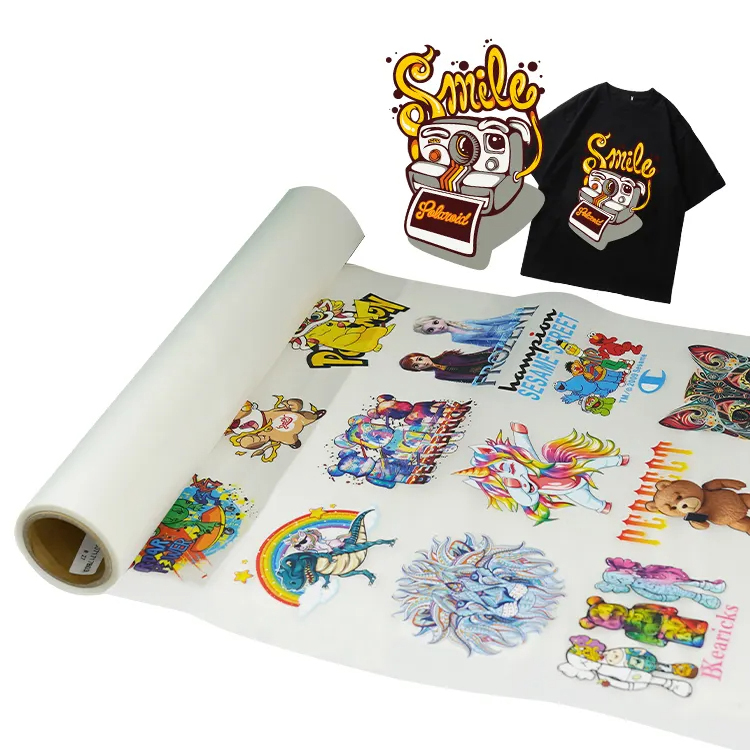
Why my shop shifted—and what that means for your margins
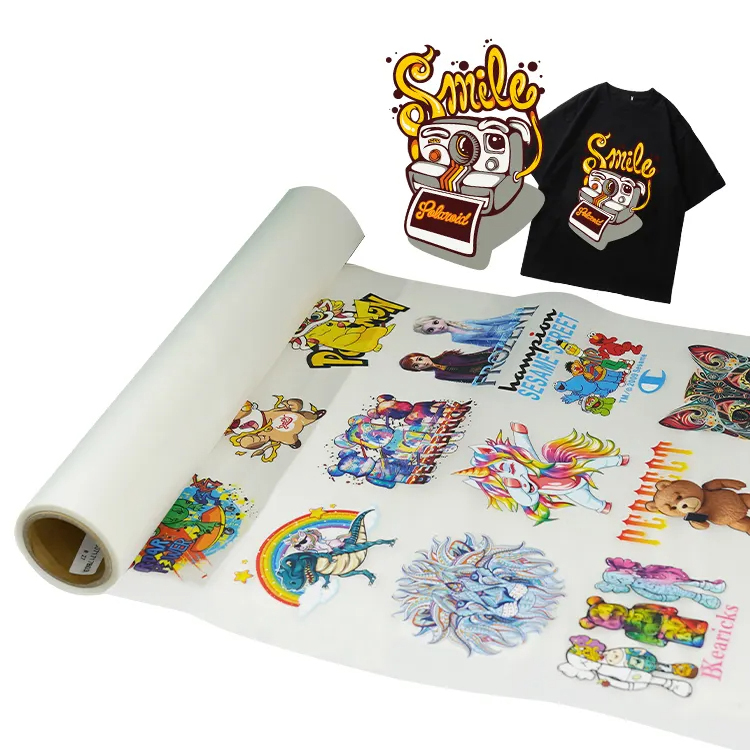
Ever notice how the “simple” transfer jobs eat the most time once the returns roll in? DTF Film fixed some of that, but only when we stopped treating it like magic and started treating it like kit. On a wet Saturday in Marrickville, I pressed 200 tees in four hours—return rate dropped to 2%—so why did two designs still crack after the third wash? I’ve run a wholesale print house in Sydney since 2012, and I’ve learned the hard way that the right dtf pet transfer film is only half the story (the other half is how you run it). Let’s sort the hype from the fine print and move cleanly into the deeper problems I see week to week.
Digging into the hidden snags most buyers miss
What’s the pain behind the glossy sample?
Here’s the technical bit, straight up. PET thickness, coating quality, and peel timing decide your fate. A 75 µm film with a consistent release layer peels hot without lifting edges—if your platen temperature sits at 155–165°C, pressure is steady (around 5 bar), and dwell is 10–15 seconds. Push temperature to compensate for low-pressure presses and you scorch the adhesive powder, which looks fine on day one but compromises wash fastness by week two. I’ve seen TPU adhesive clump when the room holds at 60% RH—gritty edges, granular white underbase, and a chalky hand feel. That’s not “bad film”; that’s uncontrolled environment meeting a coating that was never meant to fight humidity solo.
Another trap: stretch ratings on blends. We tested a 12% elastane poly tee in March 2023, Melbourne show floor, CMYK+W printed at 8-pass through RIP, cured at 120°C for 120 seconds—looked mint. Then three 30°C wash cycles later, fine micro-cracks appeared across stress points. The cause wasn’t the art; it was under-cured adhesive and a hot peel done five seconds too early as the operator chased speed. Hot peel vs cold peel isn’t a vibe—it’s a spec. Cold peel slows the table, sure, but on textured cotton (ringspun 180 gsm) it often cuts returns by half. No dramas choosing either way; just match peel to garment weave and temperature stability. I keep a simple matrix above the press because memory lies when the queue gets noisy.

Where dtf pet transfer film stands next to legacy methods
What’s Next
Looking forward, my comparisons are simple and a bit clinical—because they need to be. Screen print still wins on 500+ units with flat colours and demands, but off it goes when you want full-colour gradients on mixed-fabric runs under 200. DTG holds cotton comfort and soft hand, yet drops the ball on nylon windbreakers without pretreatment games. Sublimation sings on pure poly, then ghosts on cotton. That leaves dtf pet transfer film bridging the messy middle: dark garments, mixed blends, small-batch personalisation, and same-day turnarounds. The next leap isn’t fanciful—matte-coated films that hide haloing on darks, lower-temp powders that spare heat-sensitive nylon, and recycled PET bases that don’t curl at 50% humidity. Colour-wise, better CMYK+W profiles and RIP presets are tightening delta E without heroic tinkering; I paused—twice—before binning an old profile last winter because a new preset cut my reprints by 18% across logos with fine white keylines. If you’re weighing options, use three practical checks: 1) Wash fastness at 40°C for 25 cycles minimum (track visible edge lift, not just colour shift). 2) Press window tolerance—how much yield you keep if temp swings ±5°C or pressure varies a notch. 3) Peel behavior across your top three fabrics—document the peel delay in seconds and re-press needs. Keep those logged, compare over a month, and your choice gets obvious. Too right, it’s not glamorous—but it saves you on call-backs. For anyone mapping suppliers or building a private-label range, I keep notes open and share results when asked—no gatekeeping—at Xinflying.