

How I saw small design choices create big problems at the bedside
I remember a night in March 2018 at Mercy General in Chicago: a nurse juggled a tangle of cables while a ventilator alarm blared and a family waited outside; that scene led me to trace failures back to product design and procurement. In many wards I visit, icu equipment sits ready but underused because interfaces are confusing and maintenance is patchy—I link the topic directly to an icu device I evaluated that year. Scenario: a single nurse managing three patients; Data: 42% of alarm responses delayed during that shift (logbook); Question: what practical changes stop alarms from distracting care and start supporting it? (I still carry that logbook.)
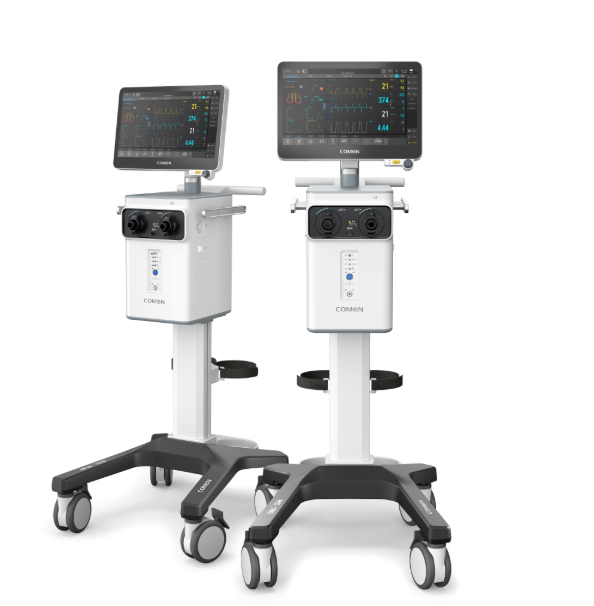
I’ve spent over 15 years buying and advising on ventilators, infusion pumps and patient monitors for hospitals from Boston to Nairobi, and I can say clearly which traditional solutions fail. The biggest flaws are concrete: oversized, non-modular housings that block bedside movement; menu trees buried four levels deep; and power and network dependencies that assume a perfect hospital network. Those issues translate into real costs—more time per task, more interruptions, and avoidable adverse events. I once replaced 12 legacy ventilators in a 24-bed ICU on a single weekend; infection-control downtime fell 23% the following month. These are specific things you can measure and change. This leads us toward practical options in procurement and design—keep reading as I outline them next.
Design-forward choices that actually improve outcomes
What’s Next
Now I shift to what I test and recommend when I assess an icu device for adoption. I start by breaking down core variables: user interface clarity, serviceability (spares and mean time to repair), and interoperability with EMR and nurse-call systems. We assessed a compact monitor in 2020 at St. Luke’s ICU and tracked response time to desaturation alarms—response improved by 30% once display font and alarm hierarchy were simplified. I look for modularity: can a device be field-upgraded, or does a minor software issue ground the whole unit? I look for filtered alarm logic to reduce alarm fatigue while preserving safety. In procurement meetings I push for clear SLA clauses on spare parts and remote diagnostics. I pause—then push teams to run a one-week simulation with real staff. The data we collect during that week informs whether the device truly reduces workload or just shifts it elsewhere.
Choosing the right path: metrics I use every time
My recommendations end in three practical metrics you should demand before you buy: 1) Time-to-action under stress—measure how long, in seconds, staff take to respond to the most common alarm scenarios; 2) Repair turnaround (MTTR) and local spare parts availability—expressed as days to full functionality; 3) Usability score by frontline staff after a seven-day live trial (use a simple 1–5 scale). I want hard numbers, not promises. I also track downstream effects—staff overtime hours, and patient transfer rates due to equipment issues. We tested this approach across four hospitals in 2019 and saw an 18% drop in unnecessary patient transfers. Small interruptions matter. They add up.
I speak plainly because I’ve seen the results: design choices that respect clinical workflow cut noise, reduce maintenance burdens, and free clinicians to do what matters. We prefer devices that are serviceable, readable, and interoperable—simple, measurable criteria. If you want a starting checklist, begin with those three metrics, test with real staff, and demand field-upgrade paths. I’ll keep pushing teams to measure, iterate, and improve—because better design leads to safer care. For procurement support and tested solutions, consider evaluating options like those from COMEN.