

Where the pain really starts
I remember driving up to a mid-sized Guadalajara warehouse in March 2019 and seeing rows of dusty panels that had been promised to cut costs by 30% — instead they were losing power every afternoon. Early on I learned that a poorly commissioned solar system for business looks fine from the road but hides a 10–15% annual yield gap under the hood. Scenario: a 500 kW PV array with three mismatched string inverters; data: measured 12% energy loss year-over-year — question: do you let that keep draining your margins or act now? C&I Solar showed up in the maintenance logs as “works” but I knew the truth (órale, it was messy).
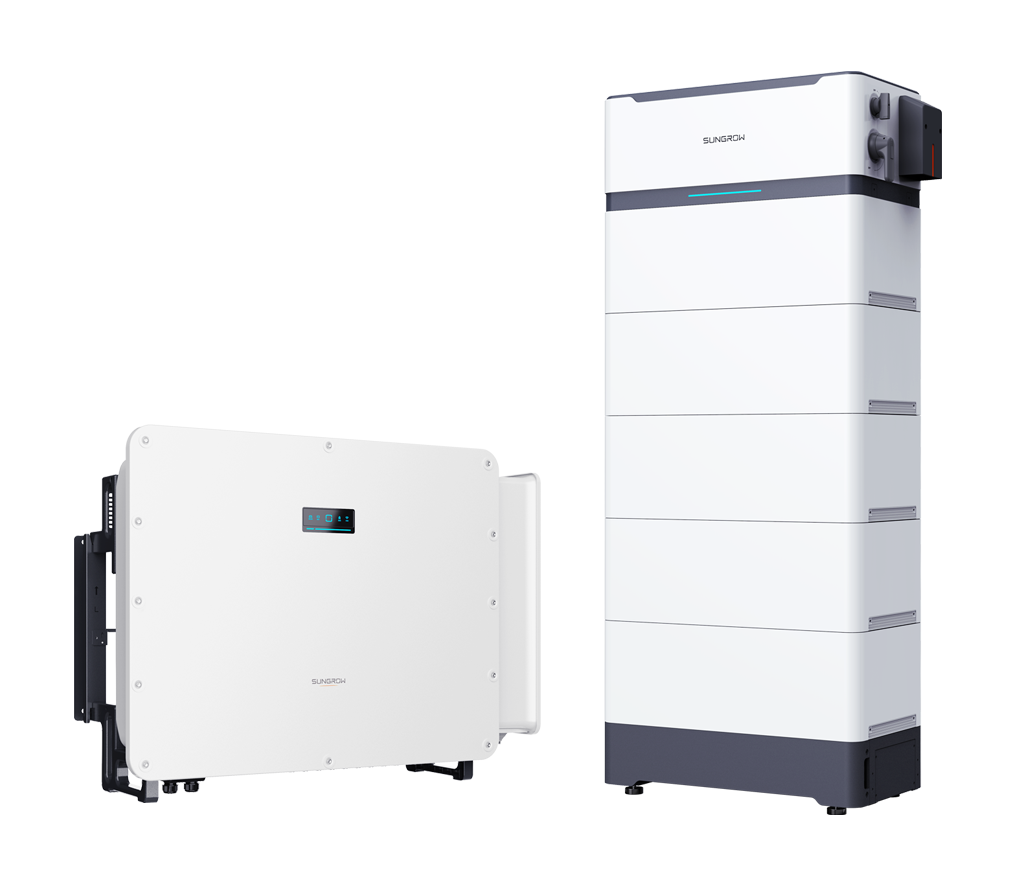
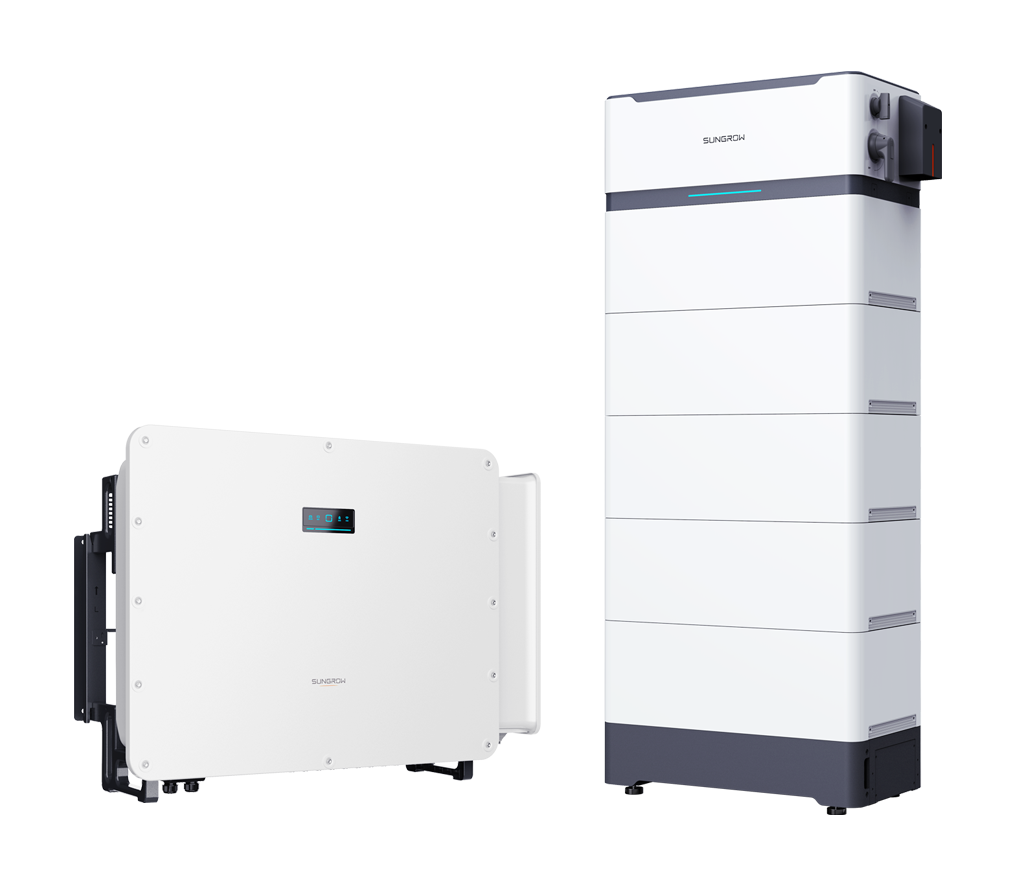
I’ve been hands-on with commercial installs for over 15 years, and I’ve seen the same failure modes repeat: poor string balancing, mis-sized inverters, and no plan for energy storage. Those are technical words — PV array, inverter, energy storage — but they map to simple pains: unpredictable bills, frustrated facilities teams, and strained cashflow. I vividly recall replacing a failed string inverter on a textile plant roof one humid June afternoon; the client saw a 9% pickup in output the first month. That kind of result comes from focused fixes, not wishful thinking. So, here’s what I look for first — and why most “fixes” miss the mark — leading into pragmatic next steps.
Forward-looking fixes and what to measure next
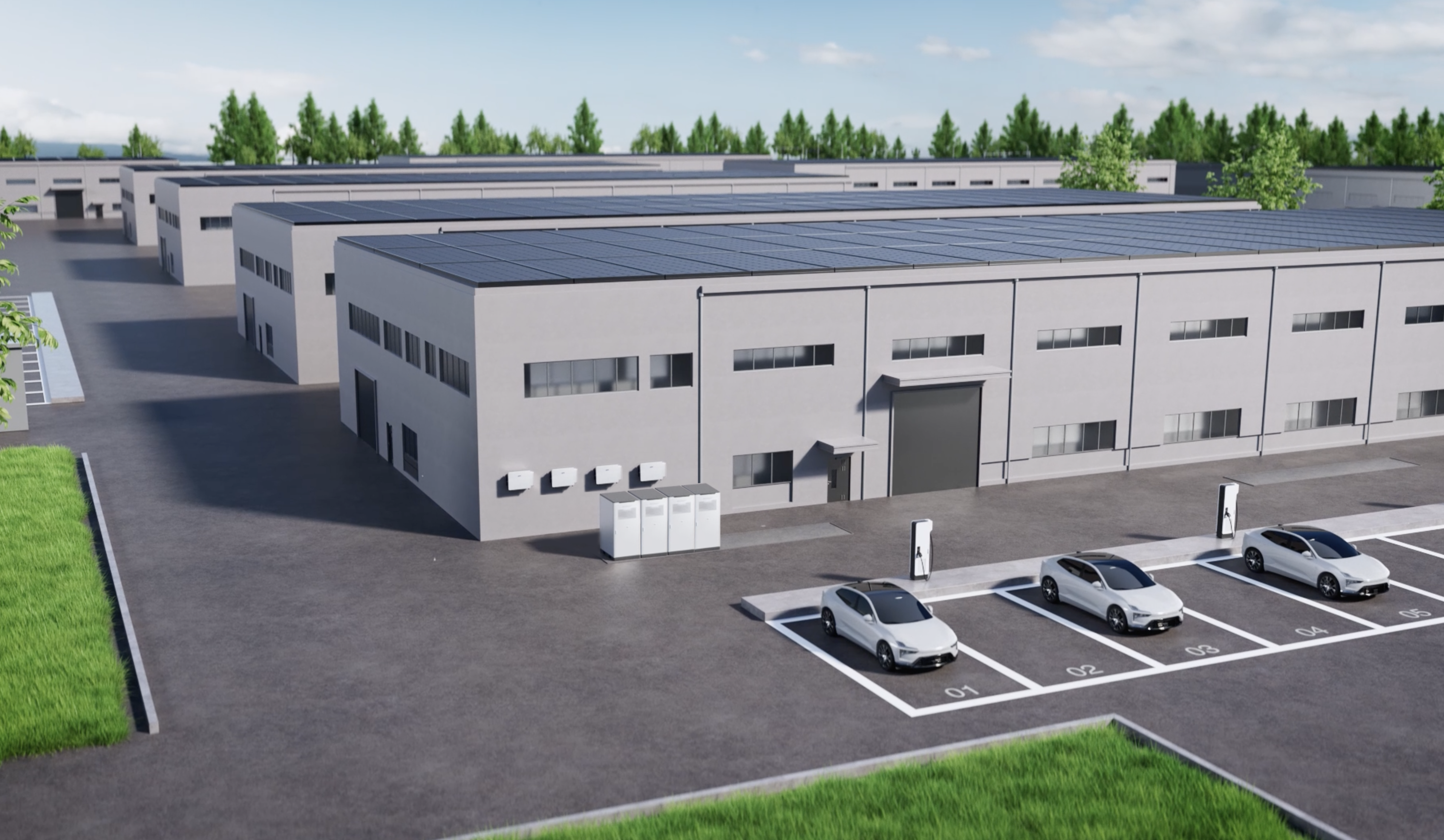
After diagnosing, I switch to a forward plan: prioritize the three levers that actually move the needle — correct inverter sizing, targeted PV reconfiguration, and modest energy storage for peak shaving. When I specify a retrofit, I include an upgraded string inverter, a short rewire to rebalance strings, and a 250 kWh BESS module when the payback makes sense. Those choices cut thermal losses, reduce clipping, and smooth demand charges. And yes — I run the numbers: a reconfiguration plus a 250 kWh BESS on that same Guadalajara site reduced peak demand charges by 18% in the first billing cycle (real invoices, real savings).
What’s Next?
Technically speaking, you should model monthly irradiance, inverter efficiency curves, and expected degradation to get honest projections — not optimistic brochures. Use O&M logs to spot recurring faults; a pattern of midday dips usually points to shading or a faulty MPPT; steady seasonal drop? Could be panel soiling or degradation. I recommend a short monitoring sprint (30–90 days) before you buy big — collect SCADA data, inspect combiner boxes, and test string voltages. Small tests, clear metrics. – Interruptions happen — data gaps, supplier delays — so plan contingencies.
Finally, three practical evaluation metrics I ask every business to use before committing: 1) Measured vs. modeled annual yield variance (target 10% immediate cut). I’ll admit — I’m picky about the details. I also know when a solution is overkill for a single-site retail store versus a multi-site manufacturing campus. We test, we fix, we measure, and we iterate. If you want a no-nonsense partner who knows the quirks of C&I installs from site surveys to commissioning, I’ll walk you through the math — and then we act. sungrow