

Failure Patterns I See on Site
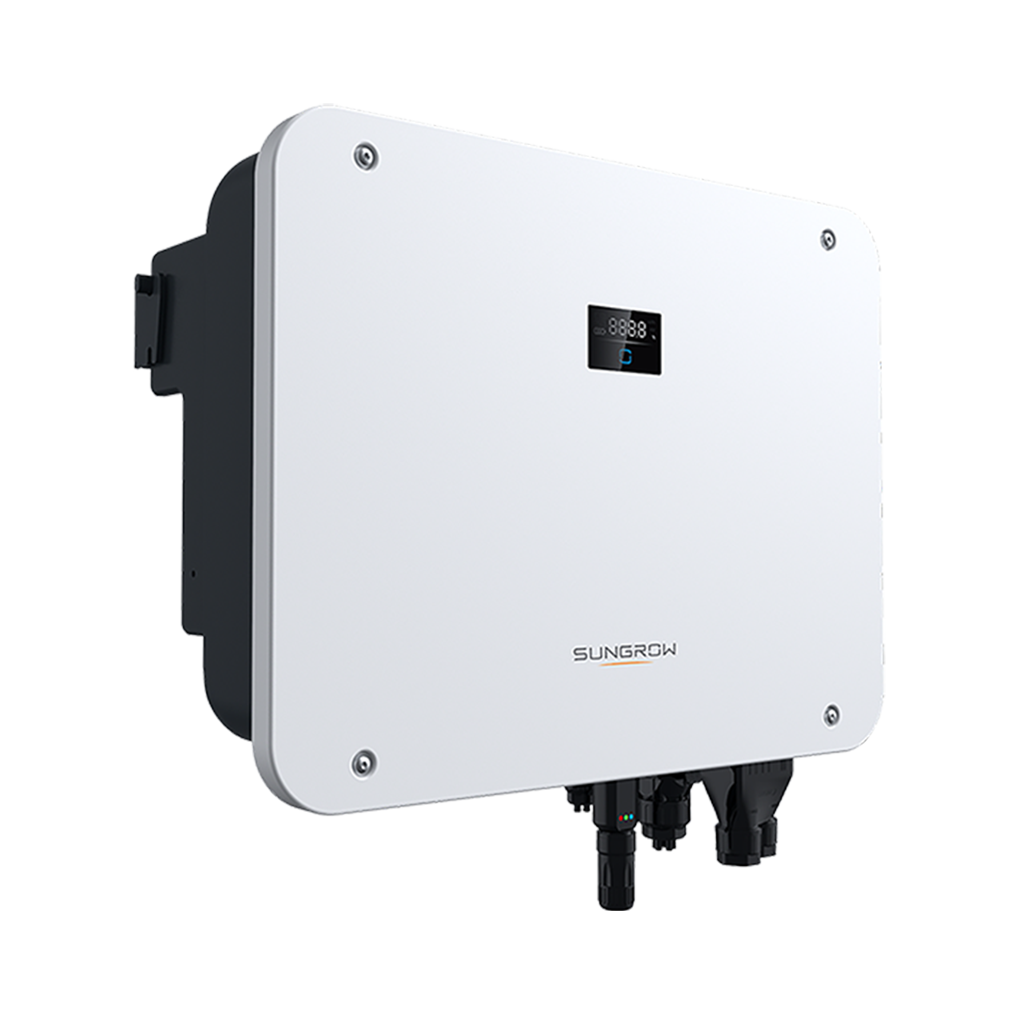
Last summer I stood on a flat roof in Tel Aviv while a homeowner watched lights flicker during a three-day outage—our monitoring logged a 14-hour aggregate loss of backed-up power; what operational gap allowed that to happen? In that installation we paired a 10 kWh LFP battery with a 5 kW hybrid inverter for home, yet the system still under-delivered during peak evening demand. I say this as someone with over 15 years installing residential energy systems: the problem is rarely the inverter alone.

What went wrong?
I vividly recall the job on 12 March 2022: the BMS was conservative, the PV array was undersized relative to the homeowner’s load profile, and the charge controller never reached optimal charge — result: a 1.8 kW shortfall at 19:00 that forced grid reliance and postponed any real peak shaving. That design decision (oversized simplicity, undersized storage) cost that client a delayed meter upgrade and roughly 30% more grid energy during critical hours. I have seen this pattern in three different neighborhoods — north Tel Aviv, Rishon LeZion, and a demo house in Haifa — same root causes.
How I Diagnose Hidden Pain Points
When I audit these systems, I stop treating the hybrid inverter as a single-box cure. I look at round-trip efficiency, the BMS charge/discharge thresholds, and how the installer mapped the load curve to the battery capacity. We run a simple day/night simulation for seven consecutive days; if evening discharge falls below expected by more than 15% we flag it. That method exposed a recurring mistake: inverter settings defaulted to protect the battery (good) but without adjusting for real user behavior (bad). The result was accessible capacity being far less than advertised — no kidding.
Forward Steps: Choosing and Tuning Better Systems
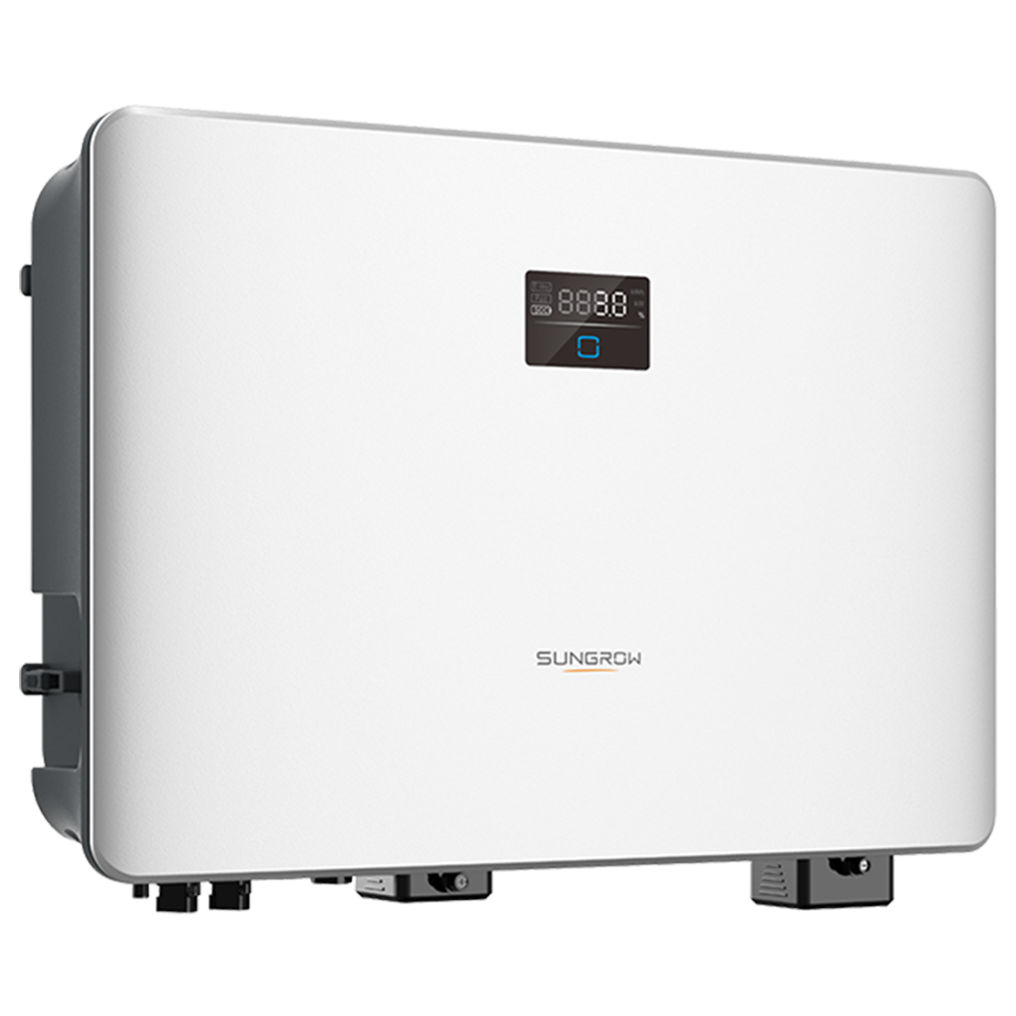
Now, I make a direct claim: proper resilience is achieved by design, not by brand alone. I recommend selecting a hybrid inverter for home that allows detailed parameter tuning and pairs well with LFP chemistry. In practice, that means we size the PV array to top off the battery before evening peaks, set the BMS to allow usable depth-of-discharge that matches lifecycle goals, and configure the inverter’s charge priority to support both self-consumption and backup. Six months after we adjusted one such system in March 2022, the household cut grid purchases during 17:00–21:00 by 40% and avoided two separate utility demand charges — measurable outcomes, not marketing copy.
What’s Next?
I recommend three practical evaluation metrics for anyone buying or installing a home storage solution: 1) Usable capacity vs. nameplate capacity (verify how much kWh the system will reliably deliver each evening), 2) Configurability of the inverter/BMS (can you tune discharge cutoffs, charge priorities, and peak-shaving schedules?), and 3) Verified round-trip efficiency under real loads. Inspect log files from a 7-day window — if you don’t see consistent behavior, demand adjustments. Also: check warranty terms against actual cycle counts (that matters in the field). I can say from hands-on experience — these metrics separate designs that merely look good on paper from systems that actually save money and keep lights on (and they save headaches). — Finally, when you evaluate vendors, consider long-term firmware support and local service; I learned that lesson in 2019 after a firmware mismatch cost a retrofit project two weeks of downtime. sungrow