

Opening: why this comparison matters now
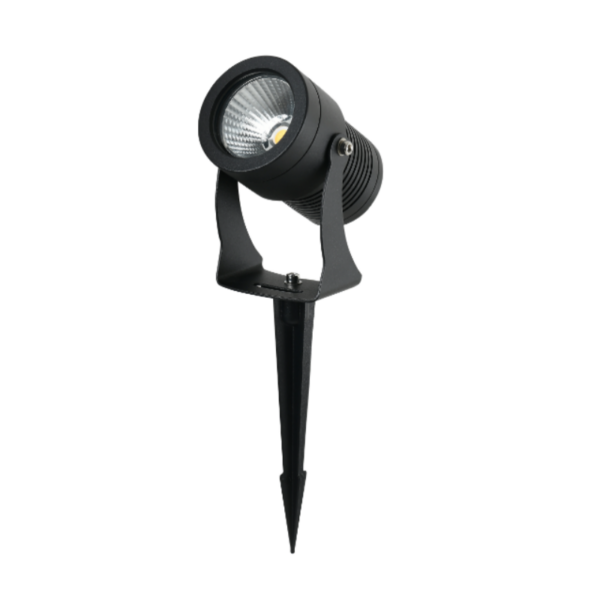
The coastline glints, paint flakes, and a low hum from an overworked driver—outdoor LED fixtures face two unforgiving forces: salt and heat. A housing that breathes heat away but lets salt in is a slow-motion failure; a rock-solid shell that traps heat shortens diode life. If you plan to light pathways with garden spike lights, or illuminate a salt-sprayed boardwalk, you need a housing strategy that balances corrosion resistance with thermal dissipation from day one. This comparative look cuts through marketing flourishes to the technical trade-offs that decide whether a fixture lasts seasons or months.
Core criteria for comparing housings
Compare along three practical axes: base material, surface protection, and thermal architecture. Base material dictates inherent corrosion behavior and thermal conductivity (think die-cast aluminum versus stainless steel versus engineered polymer). Surface protection—anodizing, powder coat, or marine lacquer—adds years when properly specified. Thermal architecture covers the presence and design of heat sinks, fin geometry, and thermal interface material (TIM). Look for measurable specs: thermal resistance (°C/W), IP rating (IP66/IP67), and conformity to salt-spray tests like ASTM B117 for corrosion resistance.
Material showdown: aluminum, stainless, and polymers
Aluminum (especially die-cast) is the workhorse: good thermal conductivity, easy to fin, and cost-effective for heat sinking. But untreated aluminum corrodes in salt air—so pairing it with anodizing or a high-quality powder coat is essential. Stainless steel brings excellent corrosion resistance without coatings but has higher thermal mass and cost; it’s heavier and less conductive than aluminum alloys on a per-weight basis. Engineered polymers or thermally conductive composites resist corrosion and are lightweight, but they generally need embedded heat paths or larger surface area to achieve comparable thermal dissipation. Choose by environment: near the Gulf Coast or salt marshes, stainless or polymer with proven UV and salt resistance often outperforms plain aluminum unless the aluminum is marine-finished.
Coatings and finishes: the small details that last
A coating can make or break the lifecycle. Anodizing creates a hard oxide layer on aluminum that aids corrosion resistance while preserving thermal contact. Powder coating offers color and additional barrier protection—select cured, UV-stable powders rated for outdoor marine exposure. For extreme environments, a multi-coat marine paint system or fluoropolymer finish increases longevity. Beware of thin paint over porous die-cast surfaces; pinholes allow galvanic corrosion to start under the finish. Also check for post-coating machining or drilling steps—penetrations can breach the protective layer.
Thermal design: from fins to thermal pads
Heat flows where it can. Housing designs that integrate external fins, broad flange areas, or bonded heat sinks dissipate LED junction heat more effectively than sealed, compact enclosures. The use of a thermal interface material (TIM) or thermally conductive potting transfers heat from the LED module to the housing; improper TIM selection increases thermal resistance and raises junction temperature. Passive heat sink geometry matters: long, thin fins boost convective cooling but catch salt spray and debris; short, robust fins shed debris better but offer less surface area. Evaluate thermal resistance, not just “has fins.”
Sealing and ingress protection: IP, gaskets, and long-term seals
Ingress protection ratings (IP66, IP67) signal resistance to water and dust but don’t guarantee long-term corrosion protection. Gasket materials (silicone, EPDM) need UV and ozone resistance; compression set over years reduces seal effectiveness. Cable-entry glands and mounting interfaces are common failure points—machined threads with proper o-rings are better than glued joints. Consider serviceability: housings that allow gasket replacement or have modular optical bays reduce lifecycle cost by making maintenance straightforward.
Mounting and application: the spike vs. surface trade
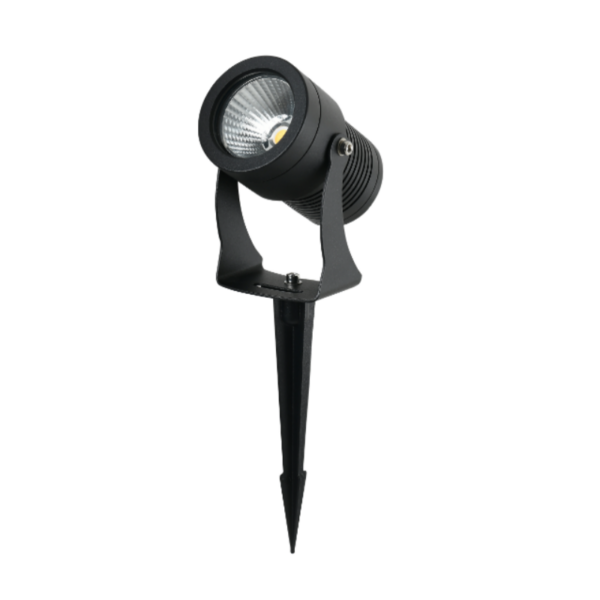
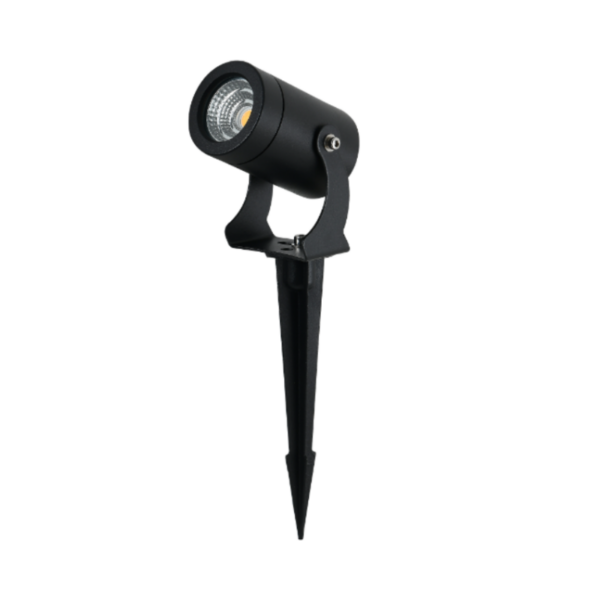
Where a fixture is mounted changes exposure and thermal behavior. Spike-mounted fixtures—popular for gardens and pathways—sit low, often in moist soil that accelerates corrosion at the stake and lower housing. If you’re specifying garden led spike lights, insist on stainless stakes, sealed cable entry under the soil line, and an anodized or powder-coated lower housing. Wall or pole mounts have better airflow for cooling but are more exposed to wind-driven salt and require robust mechanical fixings. Match housing finish and thermal design to the mounting environment, not just the lumens required.
Common mistakes and how to avoid them
Manufacturers and specifiers often focus on one axis and neglect the others. Typical missteps: assuming an IP rating equals corrosion proof; using a decorative powder coat without testing for abrasion; or choosing a compact sealed housing that traps heat. A second common error is ignoring galvanic pairing—mounting aluminum housings on stainless fittings can accelerate corrosion at contact points. The fix is simple: request salt-spray (ASTM B117) test results, verify thermal resistance, and demand a gasket/material spec sheet up front—small paperwork, big payoff. —
Real-world anchor: lessons from coastal installations
Installers along the Florida Gulf Coast report faster finish degradation and higher driver failures when fixtures combine thin coatings and poor thermal paths; this mirrors laboratory findings where salt spray accelerates pitting and raises junction temperatures. Using ASTM B117 as an acceptance benchmark and selecting housings with proven TIMs and external fins has proven effective in those conditions. That local experience is practical and repeatable elsewhere: salt equals two stresses—chemistry and heat—and your housing must address both.
Summary of comparative findings
Die-cast aluminum with anodizing or high-grade powder coating offers the best thermal performance per cost—provided the finish and sealing are engineered for salt exposure. Stainless excels for marine corrosion resistance but at a premium and with different thermal trade-offs. Polymers win where weight and absolute corrosion immunity matter, though they demand thoughtful thermal paths. Across options, confirm thermal resistance (°C/W), IP rating, and documented salt-spray performance before committing.
Three golden rules for selecting the right housing
1) Evaluate thermal resistance and corrosion data together: a low °C/W rating plus an ASTM B117 report beats glossy photos. 2) Match material and finish to the environment: coastal and high-humidity sites need marine-grade finishes or inherently corrosion-resistant alloys. 3) Design for serviceability: replaceable gaskets, modular optics, and accessible TIMs extend real-world life and lower total cost of ownership.
Closing advisory and practical note
Measure twice: specify thermal and corrosion metrics in contracts and require first-article samples for salt-spray and thermal cycling. Expect measurable improvements—longer lumen maintenance, fewer driver failures, and lower maintenance trips—when you insist on the three golden rules above. In practice, suppliers who combine proven finishes, accessible heat-sinking, and clear test data are the ones that deliver lights that still look and perform well after seasons of weather. Keyida shows how product selection calibrated to environment and thermal design becomes a practical, long-lasting solution. —