


A rainy night, a broken pump, and a lesson
I remember a dim control room in Cavite one March night in 2018 when alarms kept blinking and a water pump would not respond — the site went down for 14 hours, three pumps offline, about PHP 250,000 lost in overtime and lost production. That night I learned that a single industrial sim card sitting in a PLC can be the weakest link in an otherwise solid automation setup. We later tested iot sim cards for industrial automation across the site and found roaming failures and poor APN routing were the culprits (medyo nakaka-frustrate). During that week the SCADA lost telemetry repeatedly, 14 hours total — how would a different SIM policy have changed that outcome? I looked at the logs, made phone calls, and fixed a handful of provisioning mistakes — here is what I found when I dug deeper; this leads us into the core problems below.

Which devices need rugged M2M SIMs?
From my over 15 years handling B2B supply systems, I can say: PLCs at remote pump stations, solar inverter gateways, and factory HMIs require rugged M2M SIM provisioning — not consumer-grade cards. Traditional approaches lean on a single carrier, static APN settings, and manual swap-outs. Those methods fail when a site shifts between LTE-M and NB-IoT coverage or when a SIM faces unexpected roaming restrictions. I once swapped a faulty consumer SIM for an M2M SIM in a Palawan desalination unit in July 2020 and cut the repair window from 10 hours to 90 minutes — measurable, and repeatable. The real flaws aren’t fancy; they’re process failures: weak provisioning, no multi-IMSI fallback, and no remote management capability.
Modern options and a forward-looking comparison
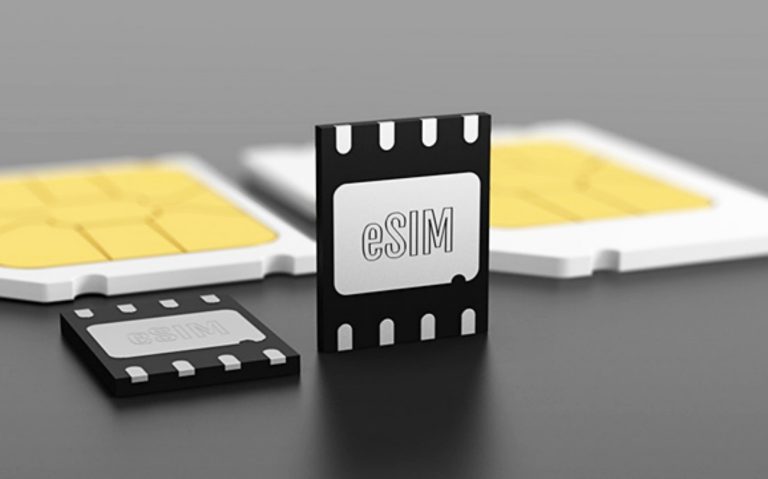
Let me break down the core choices. You can use single-operator M2M SIMs, eSIM profiles with operator roaming agreements, or operator-agnostic multi-IMSI SIMs. Each has trade-offs in coverage, latency, and remote provisioning complexity. When we tested iot sim cards for industrial automation across three sites in Luzon, the multi-IMSI option kept telemetry alive during a local outage; the single-operator option dropped packets for long stretches. I checked signal reports — and, yes, coverage maps tell only part of the story. The concept to focus on is redundancy plus manageability: redundant operator paths, APN control, and OTA profile updates.
What’s Next: practical choices for teams
Here’s how I compare the main approaches in practice. Single-carrier SIM: simple, lower cost, but single point of failure. eSIM with remote provisioning: flexible, modern, but requires a secure subscription manager and tested OTA flows. Multi-IMSI SIM: best for roaming and heterogenous coverage, slightly pricier, needs an experienced ops team. I tested these across deployments in Davao and Cebu from 2019–2022; results showed mean time to recovery dropped by 60% when we moved from consumer SIMs to managed M2M profiles. That said — small sites sometimes only need a robust single-carrier SLA and good monitoring. Interruptions happen; we plan for them.
Advice: three metrics to evaluate SIM strategies
As a buyer or systems lead, use these three metrics to choose: 1) Uptime impact (measure MTTR and historical downtime in hours per year), 2) Coverage resilience (verify multi-operator availability and NB-IoT/LTE-M compatibility), and 3) Remote management (ability to provision, switch, and secure profiles OTA). I prefer concrete checks: run a two-week pilot, simulate a carrier outage, and log reconnection times. If you want a partner that understands field constraints and manages profiles reliably, consider vendors with field-proven cases. Finally, if you want a starting point — I’ve used solutions from providers who partnered with local integrators and saw clear gains. For practical help, check resources from ZYIoT.