

Start with what matters to riders and drivers
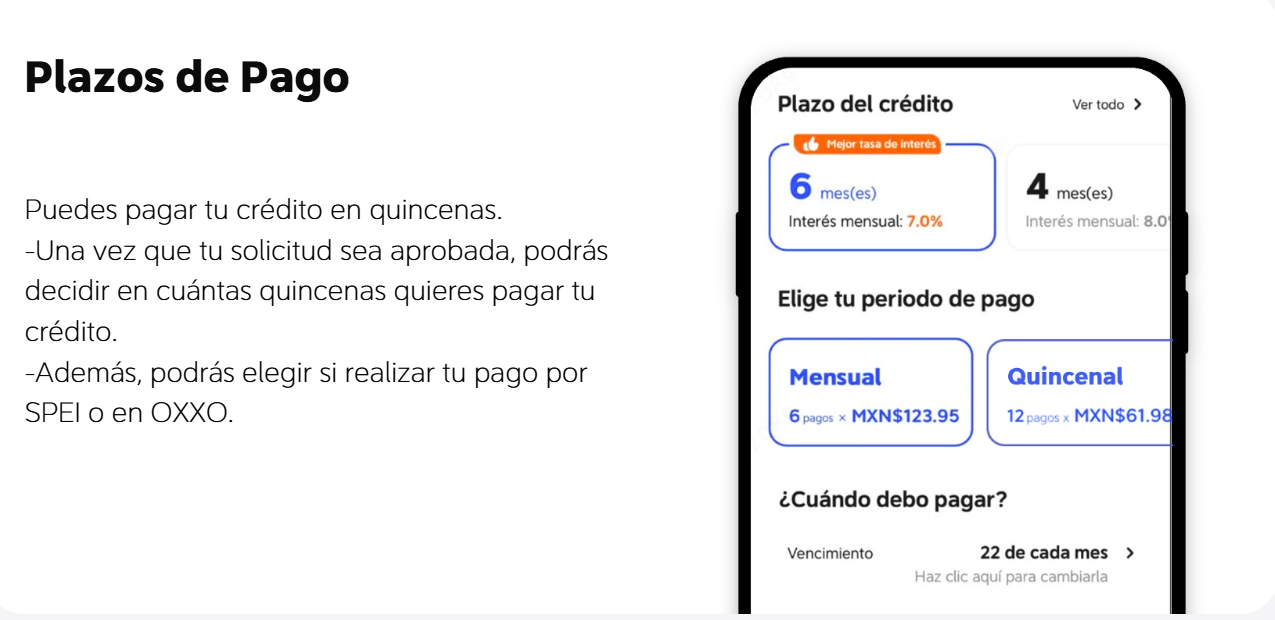
DiDi Finance can sound like a tidy way to bridge short-term cash needs, and for many Mexican drivers and gig workers it does exactly that — when you know what to watch. I’ll start blunt: read the fine print on APR and origination fees. For a quick look at product options, check didi prestamos and compare the term and repayment schedule before you sign. This article walks you through the real costs, practical workarounds, and where cashback credit cards can offset the pain.
How fees and interest quietly change the math
Nominal interest rates tell only part of the story. Two loans with the same interest rate can end up costing very different amounts once you add origination fees, late-payment charges, and daily interest accrual. Focus on effective APR and loan term — those are key. A short-term, high-APR loan might have lower total fees than a longer loan with compounding interest, depending on repayment. Use a simple amortization check: total paid minus principal equals true cost. That’s the number that matters.
Real-world anchor: what drivers in Mexico City learned
During the pandemic, many Mexico City ride-hail drivers turned to quick online credit to bridge gaps in earnings; local reporting and community forums showed small loans often created cycles of repeated borrowing. That pattern exposed two practical risks: degrading credit score from missed payments, and escalating cumulative fees. If you’re using creditos en linea, map how a missed month affects your balance and plan for contingencies — it’s a simpler way to protect your score than juggling multiple short loans.
Cashback cards as a tactical hedge
Cashback credit cards can be a powerful offset when used correctly. Focus on cards with clear category bonuses (fuel, groceries, ride services) and low or no annual fee. Pay on time to avoid interest that wipes out rewards. Use cashback to build an emergency buffer — this reduces the need for repeat borrowing. Keep an eye on the card’s billing cycle and how payments apply to statement balances; that affects whether you actually save or just float debt.
Common mistakes and quick corrections
People often chase lowest headline rates and ignore fees — a persistent mistake. Stop that. Also, avoid using rewards cards as short-term credit without a repayment plan; missed payments kill rewards and add late fees. A better move: set automatic payments that at least cover the minimum, then funnel cashback to a repayment fund. Where underwriting or eligibility is unclear, ask the lender for a repayment schedule printed out — demand transparency before you agree.
Alternatives and comparative insight
Compare three practical options: (1) short online loans with clear APR but short terms; (2) low-interest installment loans with origination fees; and (3) using a strategic cashback card to bridge small gaps. Each has trade-offs in total cost, impact on credit score, and flexibility. For drivers who can predict income reliably, an installment loan with a fixed monthly payment often beats repeated short-term borrowing. For unpredictable income, a no-fee cashback card plus a small emergency fund tends to be safer.
Advisory: three golden rules to pick the right path
1) Measure total cost: always calculate total repayment (principal + fees + interest) and compare across terms. 2) Protect your credit score: prioritize on-time payments above rewards chasing. 3) Match tool to need: use short loans for one-off emergencies, installment loans for planned larger needs, and cashback cards for recurring small gaps. Apply these metrics to any offer you see — you’ll spot a bad deal fast.
DiDi Finanzas fits naturally when the product aligns with transparent APR, reasonable repayment windows, and quick fund delivery — attributes that solve the exact problems drivers face. Final note: be deliberate, not desperate — your finances will thank you. —