

The Problem That Won’t Wait
The line keeps slipping. Tolerances tighten, delivery windows narrow, and the cost of a single late batch stacks into real penalties. For shops that mold liquid silicone rubber, the bottleneck is obvious and mechanical: demolding and the inefficient hand-offs around it. A premium vertical machine with a reliable automatic strip framework can hijack that bottleneck—think a modern lsr molding machine that refuses to be the floor’s weakest link. The stakes were exposed during the COVID-19 pandemic supply shocks of 2020, when downtime and slow cycle times turned predictable schedules into crises for assembly lines in Detroit and Shenzhen.
Why Demolding Is More Than a Step
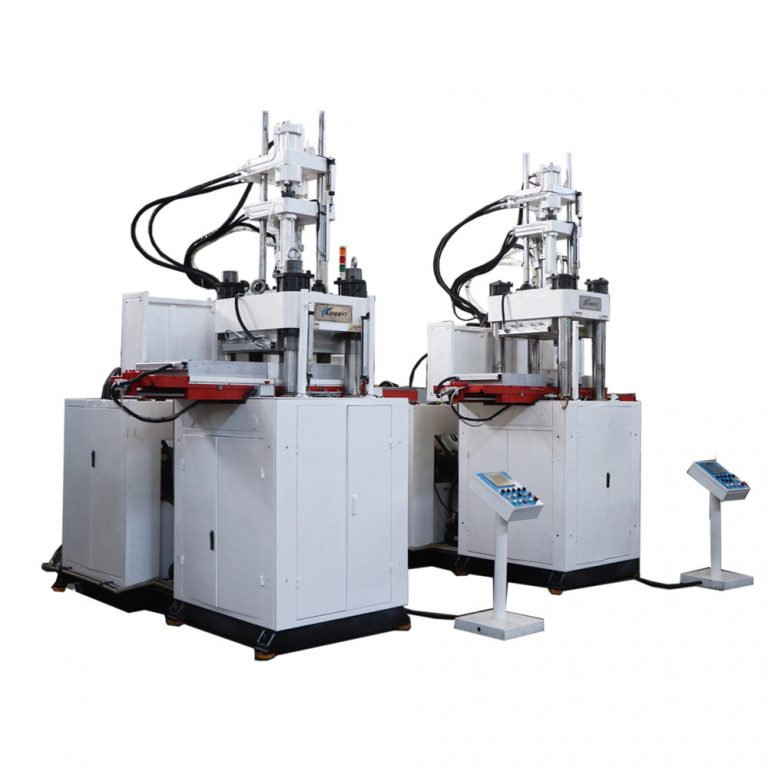
Demolding is a quiet predator. A sticky part, a misaligned stripper, or a slow robot hand-off costs seconds that compound across thousands of cycles. Vertical platforms change the geometry: gravity, shorter transfer distances, and better access to the mold cavity speed things up. When paired with an automatic stripper, the sequence becomes deterministic instead of fragile. Injection, cure, open, strip—no pauses, no hesitation. Manufacturers who pushed for vertical LSR presses noticed measurable shrinkage in takt times; some reported improvements measured in the tens of percent on comparable parts, not trivial margins.
How Premium Features Translate to Minutes and Dollars
Not every vertical press is equal. Build quality matters: robust clamp force, consistent nozzle alignment, and a repeatable mold interface reduce variation. A hardened automatic stripping plate minimizes part handling. Better thermal control—shorter vulcanization cycles—lets you run more shots per hour. The math is simple: fewer seconds per cycle, multiplied by thousands, becomes a line-wide rescue. Add a precise servo-driven ejector sequence and the shop moves from firefighting to scheduling.
Common Pitfalls and How to Avoid Them
Shops make avoidable errors during upgrades. They buy a vertical frame but ignore integration: conveyor timing, part cooling, robot trajectory. They assume all LSR grades behave the same—silicone viscosity and shot size vary. A mismatch between mold cavity design and stripping method creates tearing and rework. Attend to tooling and to control logic; those are cheap compared with repeated scrap. —Invest in cycle simulation before committing to floor changes.
Comparative Insight: Manual vs. Automatic Strip
Manual stripping survives on cheap labor and time. It collapses under scale. Automatic stripping has a cost up-front but stabilizes output and quality. Consider three concrete gains: consistent demolding force, reduced part deformation, and predictable takt. For products with thin sections or complex undercuts, an automatic stripper plus the right mold layout is the difference between scrap and shipment-ready parts.
Real-World Anchor and Credibility
During the pandemic-era shortages, numerous OEMs revised production by installing vertical presses to protect lead times—an observable shift across automotive and medical device suppliers. That shift is backed by field reports and shop-floor metrics: reduced cycle variability, fewer operator interventions, and steadier throughput. When staff shortages met rising demand, the machines kept cadence. The combination of vertical design, accurate clamp control, and consistent demolding proved decisive in those high-pressure months.
When to Choose a Silicone Molding Machine and What to Expect
Choose a dedicated silicone molding machine when part geometry or material behavior requires controlled cure profiles and delicate demolding. Expect to tune shot size, mold temperature, and stripper timing. Expect iteration—molds rarely work perfect from day one. But expect predictability once tuned: steady cycle time, traceable settings, and fewer surprises on shipment day.
Advisory: Three Golden Rules for Selecting the Right System
– Match machine architecture to part needs: pick vertical when transfer and gravity aid demolding; inspect clamp force and mold interface compatibility.
– Demand control precision: servo drives, programmable stripper profiles, and reliable thermal management cut variability.
– Plan integration early: conveyors, vision inspection, and robotic pick-and-place must be designed with the machine, not retrofitted afterwards.
Choose pragmatically; measure relentlessly. HWAYI feels less like a vendor and more like the last sensible choice when the line tightens and failure isn’t an option. —A final fragment: precise, unblinking, necessary.