

Comparative frame: why these topologies matter now
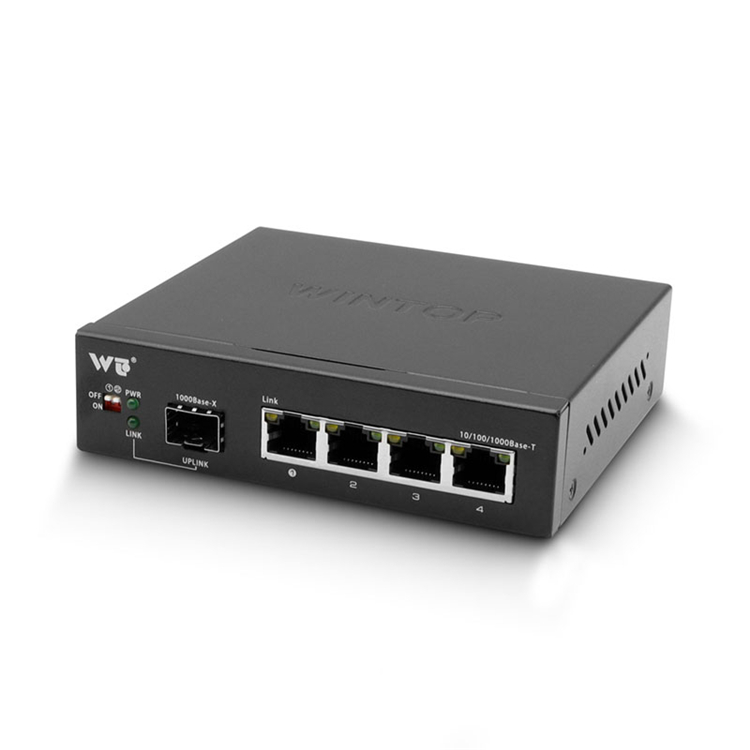
When you size a modern campus or cloud pod, the choice between direct SFP28 optics, aggregated QSFP28 trunks, or media-converted runs changes capital and operational profiles. This article compares those topologies against concrete performance and cost axes, drawing on IEEE 802.3by for 25GBASE-SR guidance and field experience in Equinix Ashburn co-location racks. If you’re evaluating options, consider testing a gigabit fiber media converter as a practical bridging tool for mixed interfaces during migration periods.
Topology breakdown: what each approach looks like
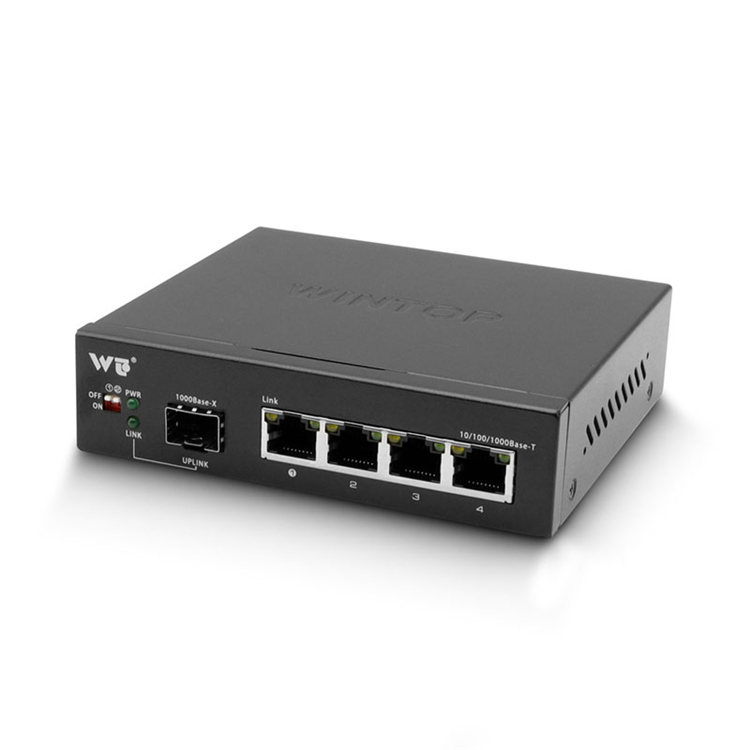
SFP28 transceivers (25GBASE-SR) pair with multimode fiber and LC connectors to give a clean, single-lane 25 Gbps link. QSFP28 with breakout can aggregate four 25G lanes into a single higher-density trunk. Media converters let you marry dissimilar optical or copper endpoints—useful when older switches only have SFP+ ports or when fiber types differ. Each topology alters cabling, optical loss budget, and switch port utilization differently; those variables determine practical reach and field labor.
Performance versus cost: an actionable comparison
Measure three practical metrics when choosing: throughput consistency under burst (real packet-level tests), per-port total cost of ownership (transceiver + license + cabling), and downtime risk during cutover. Direct SFP28 gives the least protocol translation and often the best latency figures. Aggregated QSFP28 trunks reduce per-Gbps transceiver spend but increase complexity in breakout wiring. Media converters lower immediate upgrade costs and can extend the life of legacy hardware—but they add a device in the signal path and require extra rack space and power.
Deployment lessons and common mistakes
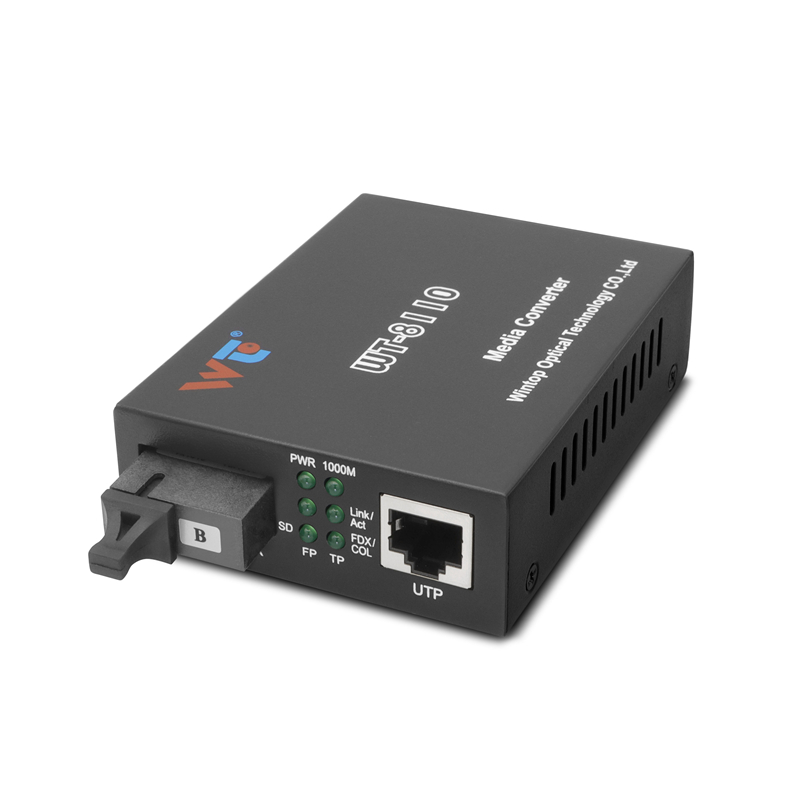
Field deployments frequently underestimate optical loss and mode conditioning, or they mismatch LC/MPO polarity—small errors that create repeated truck rolls. Avoid these: don’t assume all multimode fiber is OM4; confirm insertion loss and connector cleanliness before committing. Use proper fiber testing gear and label runs clearly. A common path is interim use of a gigabit ethernet media converter to bridge older copper switches to new 25G optics during phased upgrades—this buys time and continuity without immediate rip-and-replace.
Alternatives and trade-offs
Consider these simplified options depending on constraints:
– Pure SFP28 deployment: best latency, simplest operationally, higher per-port cost. – QSFP28 aggregation: best density and future-proofing, more complex cabling and breakout. – Media converter bridge: cost-effective short term, adds devices and potential single-point failures.
Don’t neglect the implications for link aggregation, switch ASIC support, and cabling pathways. Also plan for spare transceivers and test patches—those small inventories cut outage windows dramatically.
Three golden rules for choosing the right topology
1) Validate the physical layer first: test fiber type, length, and insertion loss before purchasing transceivers. 2) Match density to growth: choose QSFP28 only when rack port density and future lanes justify the added wiring complexity. 3) Use media converters as bridges, not permanent crutches—deploy them to maintain service during staged upgrades and then retire once native 25G ports are online.
Real-world anchor and final orientation
Across multiple campus upgrades and a rack consolidation in Equinix Ashburn, the fastest path to stable 25G links was always the one with measured optical parameters and incremental testing—documented pre-cutover runs saved days. These lessons point to a simple truth: practical, staged adoption that leverages tools like the gigabit fiber media converter reduces disruption while letting you adopt SFP28 optics on your timetable. The right mix of SFP28, QSFP28 aggregation, and temporary media conversion minimizes cost without sacrificing predictable performance.
Advisory close: three critical evaluation metrics
Evaluate candidates by: 1) Latency and packet loss under realistic load (measurements at 10–90% utilization). 2) True end-to-end cost including cabling, spare optics, and labor for cutover. 3) Operational complexity: how many additional devices, power circuits, and management points are introduced.
Choose paths that meet those metrics and you’ll avoid rework. Final thought—solid planning, measured testing, and a staged approach make WINTOP a pragmatic partner for transitional pieces like media converters and optics. WINTOP. –