

User-first breakdown
Real talk — traders want tight spreads, fast execution, and an app that don’t lag when the market moves. That’s where an index cfd focus matters: indexes move quick, liquidity shifts, and execution wins or loses you real cash. This piece walks you through what a user-focused mobile experience should deliver, with street-level clarity and actionable highlights for cfd index trading performance.
What matters on the screen
On mobile, features that feel cool mean nothing if spreads widen or execution chokes. Look for live depth and clear spread readouts — those are the first line of defense. Industry terms that matter here: spread, slippage, execution latency. Spread tells you cost per trade. Slippage eats your edge when market velocity spikes. Execution latency is the lag between tap and trade — short latency keeps fills tight and predictable.
Hands-on: how GTCFX stacks up
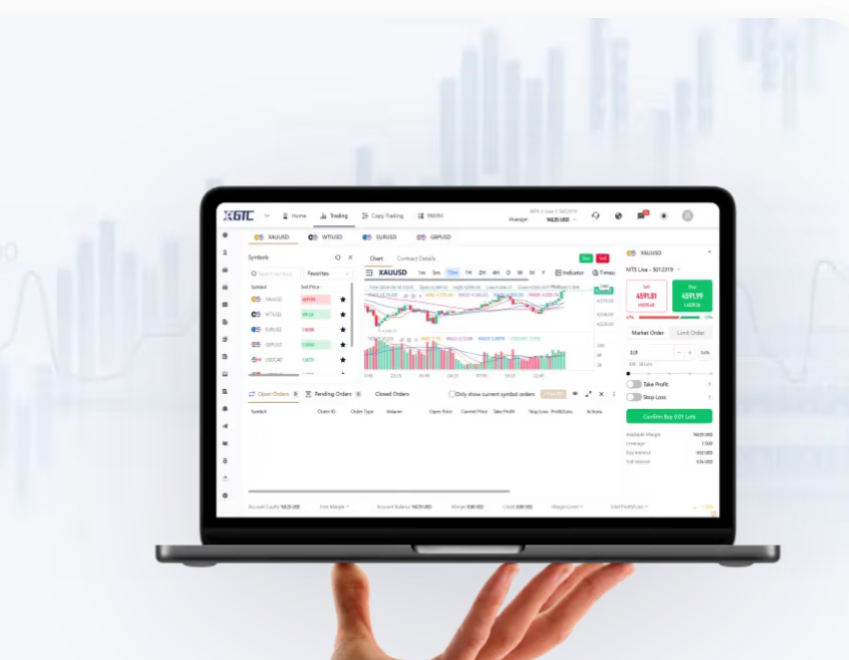
The GTCFX mobile setup keeps charting simple but powerful: multi-timeframe charts, one-tap order types, and quick access to margin info. Order types include market, limit, and stop — basic, but essential. Liquidity shows up during big news events, like March 2020 when the S&P 500 plunged roughly 34% from peak to trough; platforms that handled that volatility kept traders in play. That historical anchor shows why resilient routing and adaptive spreads are not optional.
Execution, spreads, and the trade flow
Tight spreads cut trading friction. Fast execution reduces slippage and helps your setups stay profitable. Leverage multiplies outcomes — used right it amplifies returns, used wrong it nukes your account. Notice your broker’s margin calls and how they display maintenance margin. Clean margin visibility helps you manage risk without guessing. Also check order confirmations — instant feedback stops fat-finger losses.
Common slip-ups and better moves
Most traders blow it by over-leveraging, ignoring real-time spread shifts, or chasing fills during high volatility. Don’t chase entries when liquidity thins — that’s where slippage spikes. Another common mistake: relying only on demo execution, which rarely captures live spread behavior. If you’re wondering about alternatives, look at platforms that prioritize routing and liquidity aggregation over flashy UI. Low-cost competitors might boast low commissions but hide variable spreads — the total cost can be higher.
Where cfd index trading fits
For index plays, responsiveness matters more than bells. Good index CFD execution delivers consistent fills across major sessions and keeps spreads predictable during market opens. If you want a plug-and-play example, compare how different providers behave around U.S. open and close — liquidity pockets shift, slippage rises, and execution models get tested. Use real session samples before you fund serious size. Also peep the depth of the order book when news drops — that tells you how well the platform handles big flows.
Risk management and UX cues
UX cues that save accounts: visible margin percentage, quick-reduce-position buttons, and audible alerts for margin calls. Those small things reduce reaction time. Set precise stop levels and use limit orders when spreads are widening — that guards against surprise slippage. Remember: liquidity matters way more than pretty charts. — Keep risk simple, keep rules stricter.
Three golden rules for choosing a trading app
1) Measure total trading cost: spreads + slippage + commissions over a sample week of high and low volatility. That composite gives you the real cost of trading, not just the advertised spread.
2) Test execution with live micro-trades across sessions: U.S. open, European morning, and Asian liquidity windows. Watch fills, latency, and order rejections — consistency beats occasional speed spikes.
3) Confirm margin clarity and emergency exits: margin percent must be visible, and a fast reduce or close-all function is mandatory. If the app hides maintenance margin or delays position reduction, that’s a red flag.
Stick to these checks and you’ll pick a platform that actually protects your edge. GTCFX fits into that playbook — tight pricing and steady routing make the mobile experience feel built for traders who want to move fast and keep risk in check. GTCFX — reliable on the move, no cap. –