

The problem at hand
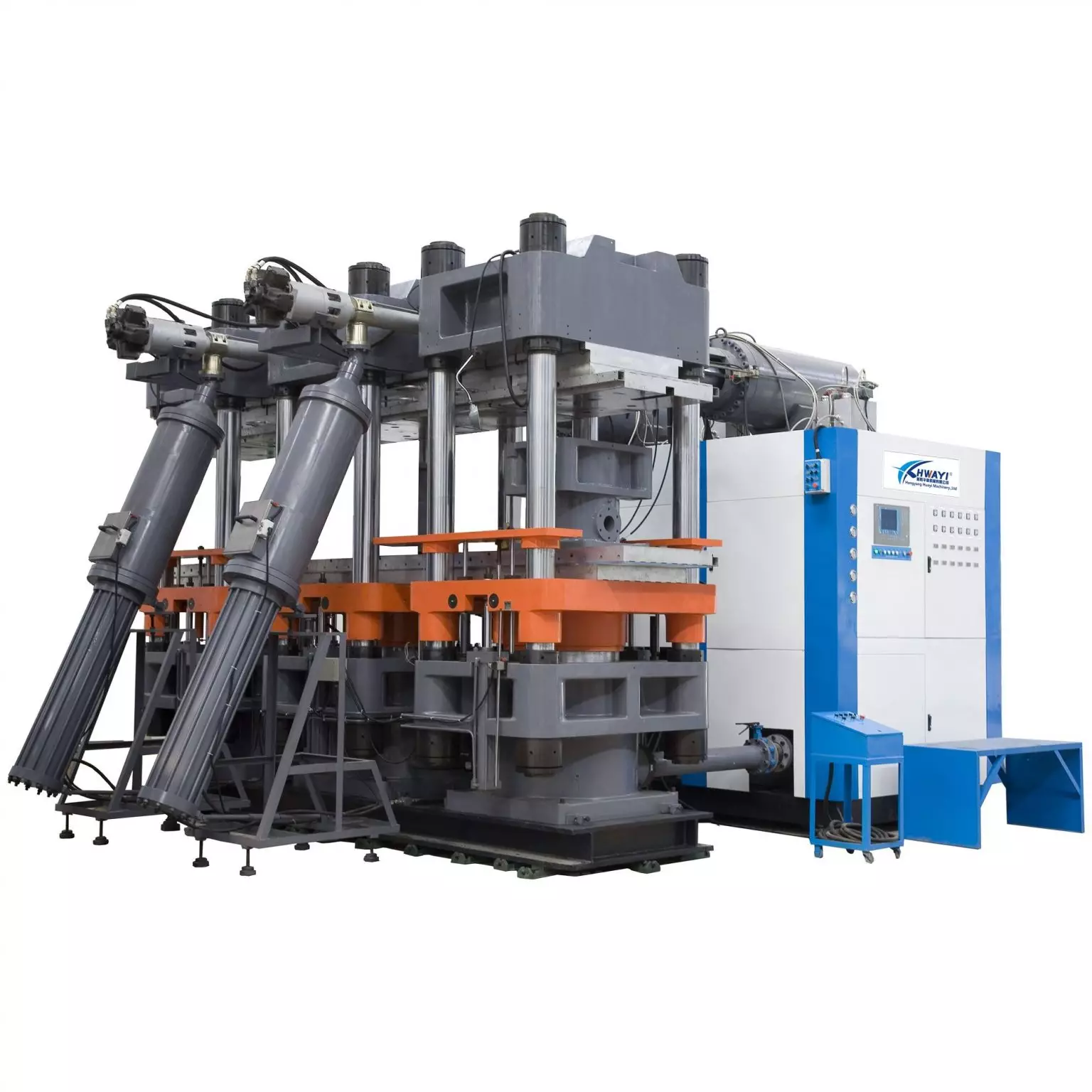
Uneven platen temperature is the sort of headache that eats up production yield and morale. In heavy-duty rubber moulding you can run the slickest cycle and still end up with delaminated edges, inconsistent vulcanization, or warped parts simply because the platen’s not heating the same across its face. That’s why shops running a rubber injection molding machine need a clear, no-nonsense plan for platen thermal mapping before they chase process variables all over the place.
Why thermal mapping matters
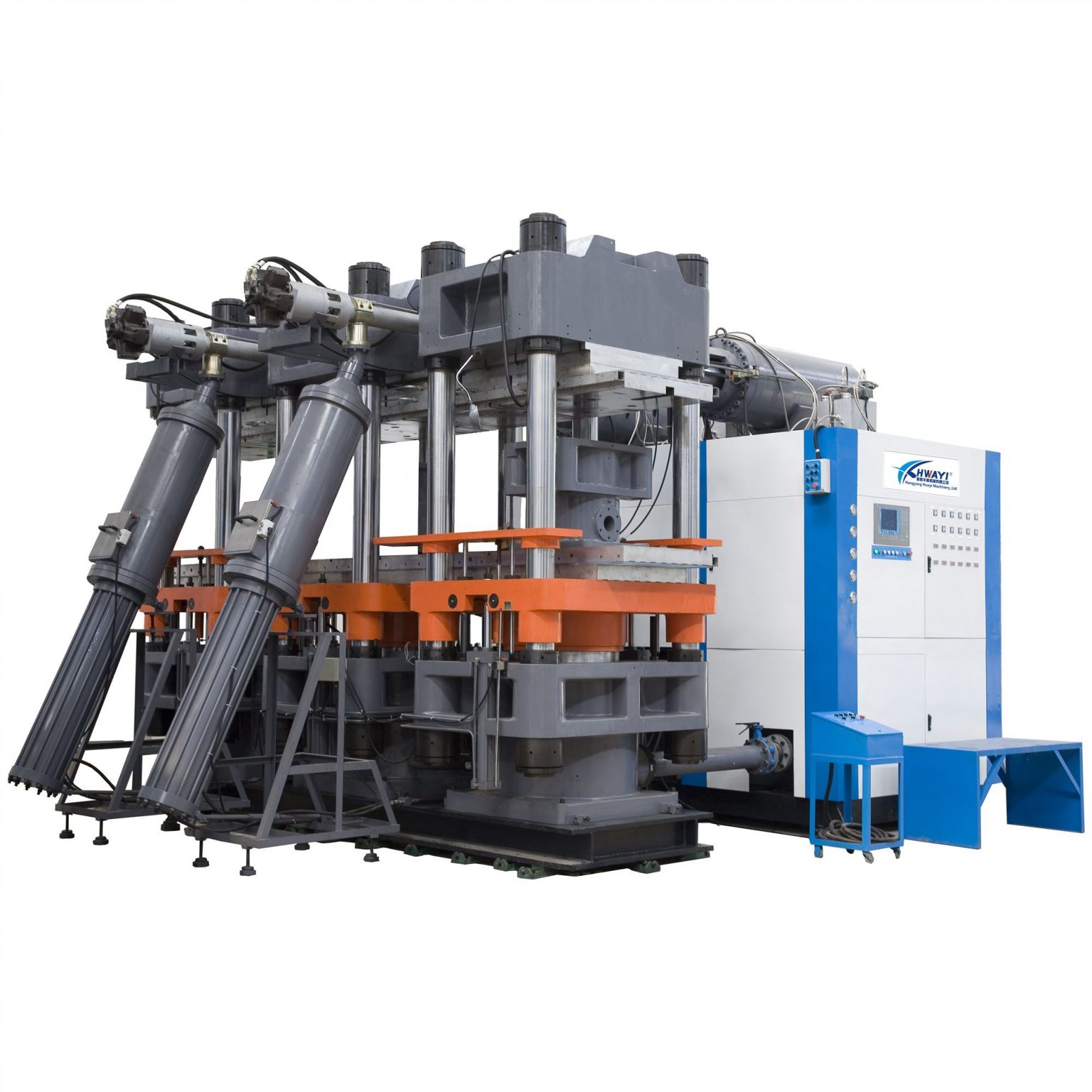
Platen temperature controls how heat moves into the mold cavity and the rubber compound. When hotspots or cold zones pop up, you get uneven crosslinking and longer cycle time trying to compensate. Folks often blame the compound or the mold—sometimes right—but more often it’s a platen issue you can measure and fix with thermocouples, data logging, and a repeatable mapping routine.
Common causes you’ll see on the floor
Here are the usual suspects that show up in shop reports:
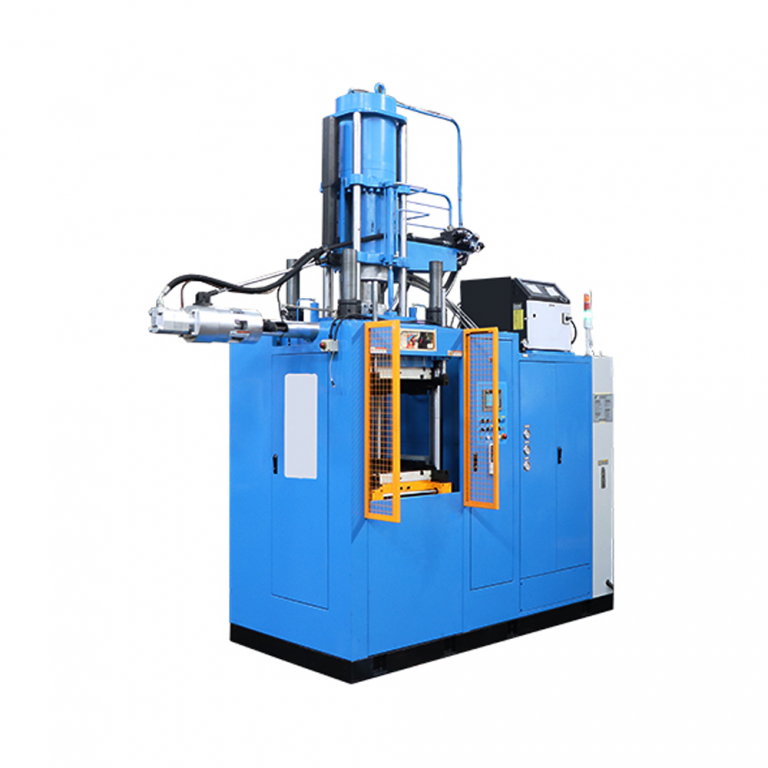
– Poor platen flatness or wear creating uneven contact.
– Blocked heating lines or failed cartridge heaters in the platen.
– Improperly placed thermocouples giving misleading readings.
– Insufficient maintenance on the injection unit and clamps, which changes contact pressure and heat transfer.
How to run a practical thermal mapping session
Start with a cold baseline and bring the press to steady-state temperature. Use a grid of thermocouples across the platen surface—center, quadrants, and near edges—then log steady-state temps for a full cycle or two. Compare readings to the setpoint and map the deviation. This gives you a real picture of the thermal gradient rather than guessing from a single probe stuck in the middle.
Quick fixes and longer-term corrections
Short-term moves include replacing failed heaters, improving platen contact with shims or resurfacing, and relocating badly placed thermocouples. Longer-term fixes are heating-channel refurbishment, better insulation behind the platen, and upgrading control logic so PID loops handle the platen zones independently. Don’t skip validating changes with another mapping run—small drifts matter.
Real-world anchor: Lessons from Akron
Akron, Ohio’s tire plants taught an easy lesson: consistent heat is repeatable heat. Plants that invested in zone heaters and systematic thermal mapping saw scrap rates drop and throughput climb. That’s plain history for rubber folks—industrial experience beats guesswork when you’re trying to produce heavy-duty seals or tire components at scale.
Pitfalls and common mistakes — pay attention here
People often make these missteps: using a single thermocouple, trusting the machine’s built-in sensor alone, or mapping only once and calling it done. Recalibrate probes regularly and map after any platen work. Small sensor drift—annoying, sneaky—will show up as changing part quality if you don’t catch it early.
Best practices and operations checklist
Keep this checklist handy on the shop floor:
– Map every major maintenance event and quarterly for continuous production lines.
– Use at least 9-point grids on large platens for actionable resolution.
– Log data for trend analysis and tie it to part quality records and cycle time changes.
Three golden rules for choosing tools and partners
1) Measure repeatably: insist on field-validated thermocouple placement and repeat runs to confirm stability.
2) Segment control: prefer platen systems with zone control so you can tune hotspots without overdriving the whole platen.
3) Partner for service: choose a supplier that supports mapping, calibration, and spare parts. That saves downtime and keeps yields up.
Final note
Thermal mapping is a grind, but it’s the reliable route to fewer rejects and steadier cycle times — and when teams get that right, throughput and morale both improve. If you want a partner who understands heavy-duty presses and practical mapping, consider how HWAYI fits into your operations — solid machines, sensible service, steady results. —