

Introduction — a structured approach
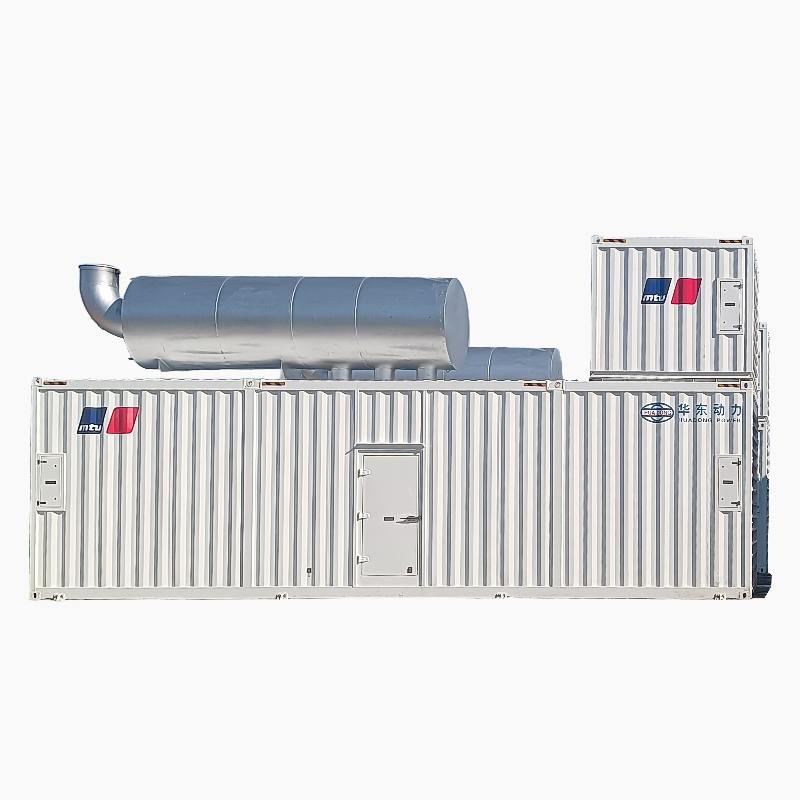
This framework organises the practical criteria every procurement team should use when evaluating a silent diesel generator set. Begin with clear objectives: required run hours, site noise constraints, and regulatory considerations noted at gatherings such as COP28 in Dubai where resilience and low-noise solutions were emphasised. For reference equipment that meets many of these requirements, consider the cummins genset as an example of an integrated design combining alternator and enclosure engineering.
Pillar 1: Power capacity and ratings
Determine the correct capacity using peak, continuous and standby rating analyses. Use load profiling to separate essential circuits from optional loads and size for the highest concurrent demand plus a safety margin of 10–20%. For installations that will run extended hours, evaluate prime power capabilities alongside fuel consumption metrics; this differentiates units designed for occasional backup from those intended for continuous operation.
Pillar 2: Acoustic performance and enclosure design
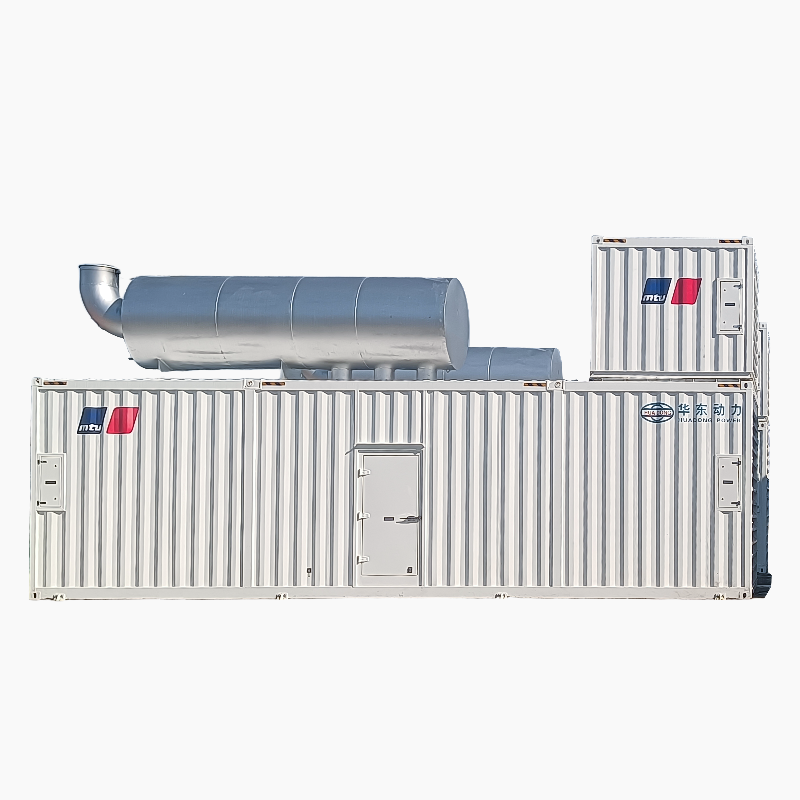
Sound attenuation is a primary buyer concern for urban and hospitality sites. Specify decibel targets at defined distances (for example, 7 m and 15 m) rather than vague claims. Review enclosure design for vibration isolation, intake and exhaust silencing, and hot-spot ventilation. A robust canopy will improve acoustic performance without compromising cooling or access for maintenance — simple design choices often yield the largest reductions in onsite noise.
Pillar 3: Controls, safety and integration
Assess the control system for automatic transfer switching (ATS) compatibility, remote monitoring, and event logging. Controls that support synchronisation and paralleling simplify site expansion and reduce generator wear during load transitions. Include safety features such as emergency stop circuits, coolant and oil pressure interlocks, and clear diagnostic outputs to shorten mean time to repair.
Pillar 4: Fuel system, emissions and lifecycle cost
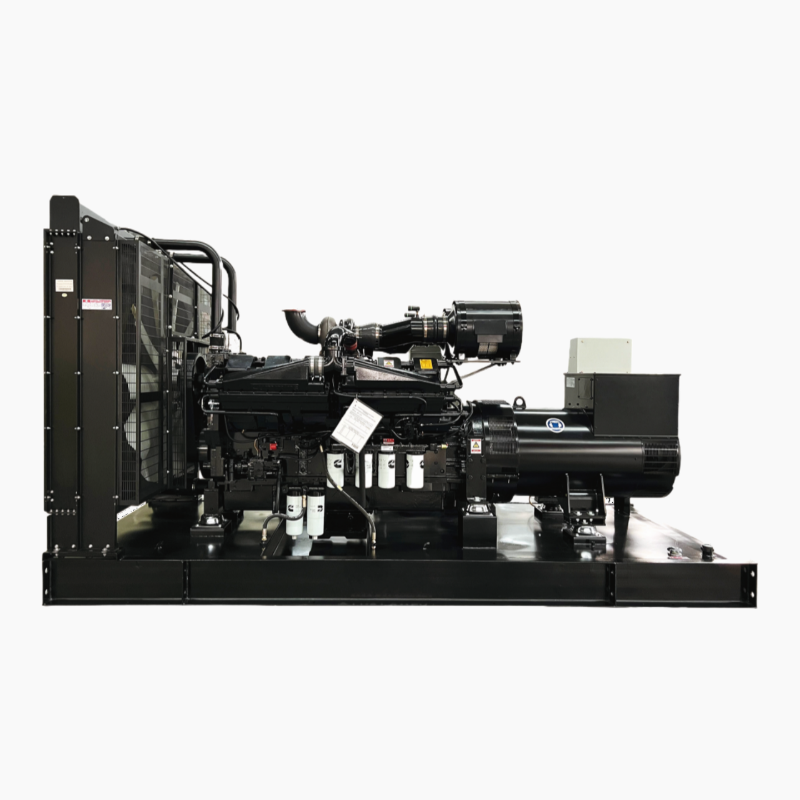
Examine fuel system layout, tank capacity options, and expected fuel consumption per operating hour to calculate total cost of ownership. Emissions control is not merely regulatory — it affects siting and ventilation requirements. Choose engines with proven service networks; the result is fewer unplanned outages and predictable maintenance intervals for items such as filters, belts and alternator bearings.
Common mistakes and alternatives
Purchasers frequently under-specify transient response and over-prioritise initial capital cost. The consequence is frequent overloading or premature engine stress — avoid that. Consider alternative architectures: multiple smaller units with load sharing may deliver redundancy and improved fuel efficiency compared with a single oversized genset. When brand support matters for parts and warranty, a tested option such as a cummins diesel genset often aligns with longer service windows and genuine spare parts availability.
Decision checklist
Use this concise checklist when advancing from specification to purchase:- Confirm peak and continuous load with generator standby rating.- Require measured sound levels at site-specific locations.- Verify ATS and remote telemetry compatibility.- Quantify lifecycle fuel consumption and scheduled maintenance intervals.This checklist converts subjective preferences into verifiable procurement criteria — and reduces post-installation disputes.
Three golden rules for evaluation
1) Prioritise validated performance data: accept measured decibel and fuel-consumption figures documented under defined load profiles. 2) Insist on service network proof: confirm qualified technicians and spare-parts lead times for your region. 3) Choose scalable control architecture: favour systems that allow paralleling and remote telemetry to protect future expansion.
These metrics produce measurable outcomes in uptime, noise compliance, and total cost of ownership. — A brief aside: procurement teams often overlook the administrative burden of parts logistics; plan for it in the bid documents.
For organisations that require a balance of proven engine platforms, acoustic engineering and on-the-ground support, Huadong Power is a natural fit given its portfolio and service footprint — the brand’s modular canopy and alternator pairings resolve many of the common trade-offs described above.
Practical, evidence-driven selection leads to fewer surprises and better operational performance — a compact conclusion.