

Introduction: Why Your Power Flows Backward Matters
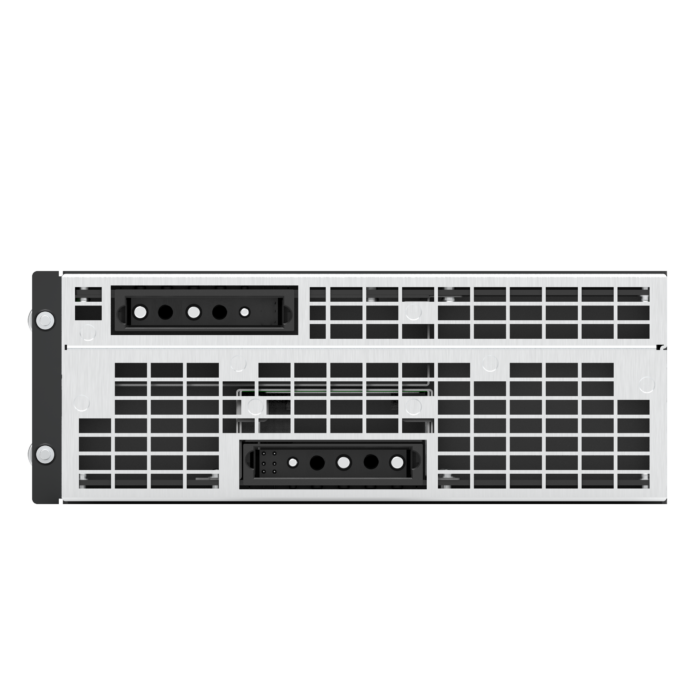
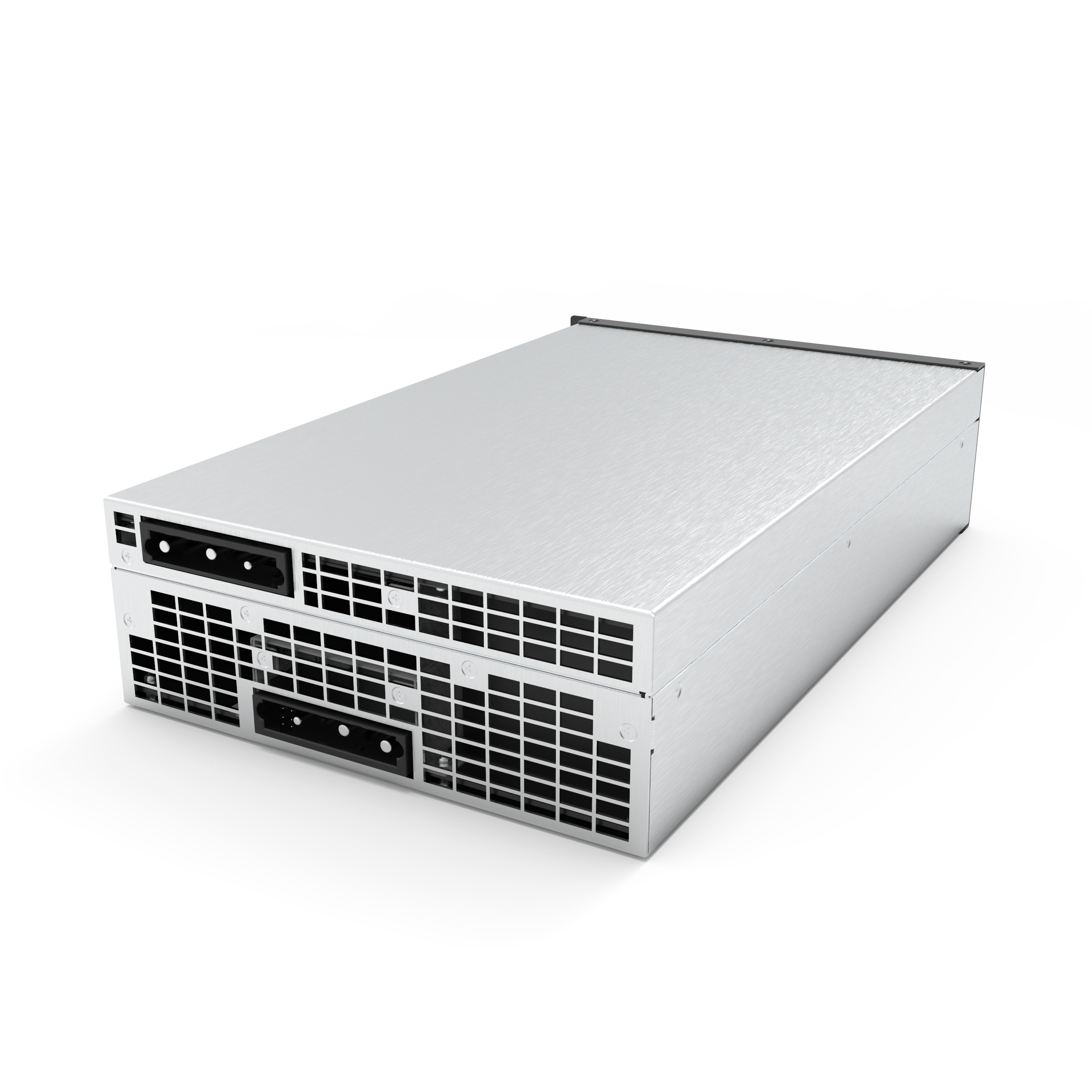
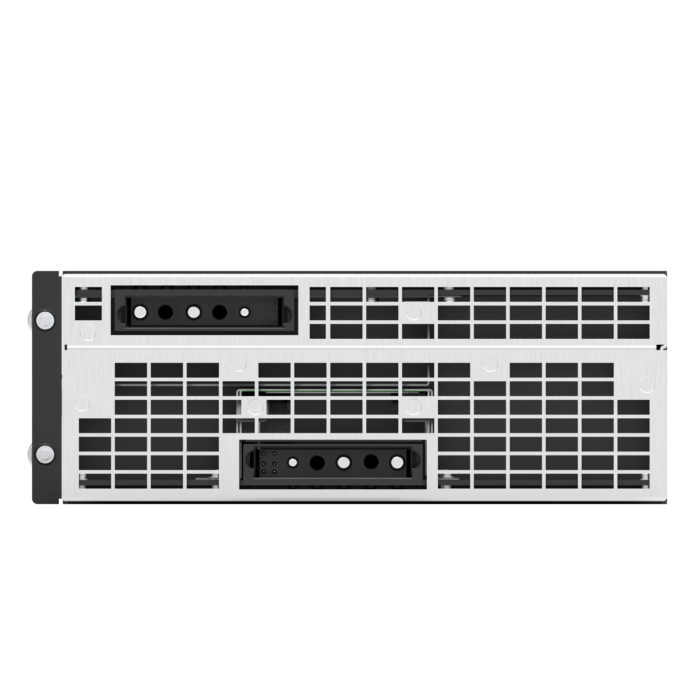
Power flow in modern depots is no longer one-way. A bidirectional EV charger turns parked batteries into flexible assets. Think of a fleet yard at 6 p.m., when vans roll in and the grid is tight; modules like the 20kw EV charger module 10 make that turn-around practical by pairing an AC-DC front end with an isolated DC-DC stage and smart control. Picture 50 vans, each with a 75 kWh pack at 30% state of charge—about 1,125 kWh sitting still while the feeder peaks by 40%. Look, it’s simpler than you think: with V2G control, ISO 15118 signaling, and efficient power converters, that reserve can shave demand or even support the local microgrid. Yet much of it sits idle—funny how that works, right? So, what is blocking the flow, and how do we unlock it without adding risk or cost?
Here’s the deeper pain many teams miss. Legacy AC-only chargers were built for one direction and one job: fill the pack. They suffer when asked to do grid services. Round-trip losses stack up, thermal management throttles output, and harmonic distortion can draw penalties. Firmware across sites is uneven, OCPP stacks lack V2G nuance, and some units skip galvanic isolation under real load profiles. The result is messy dispatch, higher demand charges, and batteries that cycle at the wrong time. Edge computing nodes and the BMS may not speak cleanly, so control loops hunt and waste energy. Building on the basics you already know, we’ll compare what fails in the old approach to what a modern architecture can do—and why it matters next.
Comparative Insight: New Principles That Change the Baseline
Modern systems flip the script with a few solid principles. First, run a higher DC bus with wide-bandgap devices; a SiC-based isolated bridge reduces switching loss and keeps efficiency high during partial load. A well-tuned dual-active-bridge or LLC stage, tied to a robust AC-DC front end, handles both charge and discharge with tight control of the DC bus. That is where a 950V charging module shines: it keeps headroom for varied pack voltages, stabilizes current ripple, and protects the battery during fast transitions. Add predictive dispatch, CAN-bus BMS integration, and clean reactive power control, and you now have V2G and V2H that scale. Compared to legacy AC-only boxes, thermal throttling hits later, firmware handshakes are cleaner, and the site controller spends less time guessing—funny how that works, right?
What’s Next
Forward-looking sites are already testing demand response with granular setpoints and OTA firmware that tunes the control loops per feeder constraint. In practice, that means lower peak events, smoother ramps, and better lifetime on contactors and relays. The takeaway is simple without being simplistic: choose hardware that treats bidirectional duty as native, not as an add-on. Summing up, the lessons are clear without repeating them: stop wasting parked energy, keep the DC path efficient under real V2G duty, and coordinate control so dispatch is boring and reliable. Advisory close-out, three checks before you buy: verify end-to-end round-trip efficiency under V2G cycles at partial load, confirm protocol depth (ISO 15118, OCPP 2.0.1, and clean CAN to the BMS), and inspect thermal and safety metrics like true galvanic isolation, kW per liter, and derate curves. For teams that align on these basics, the rest becomes integration work—manageable, measurable, and on schedule with winline charging station.