

Why a structured QA framework matters
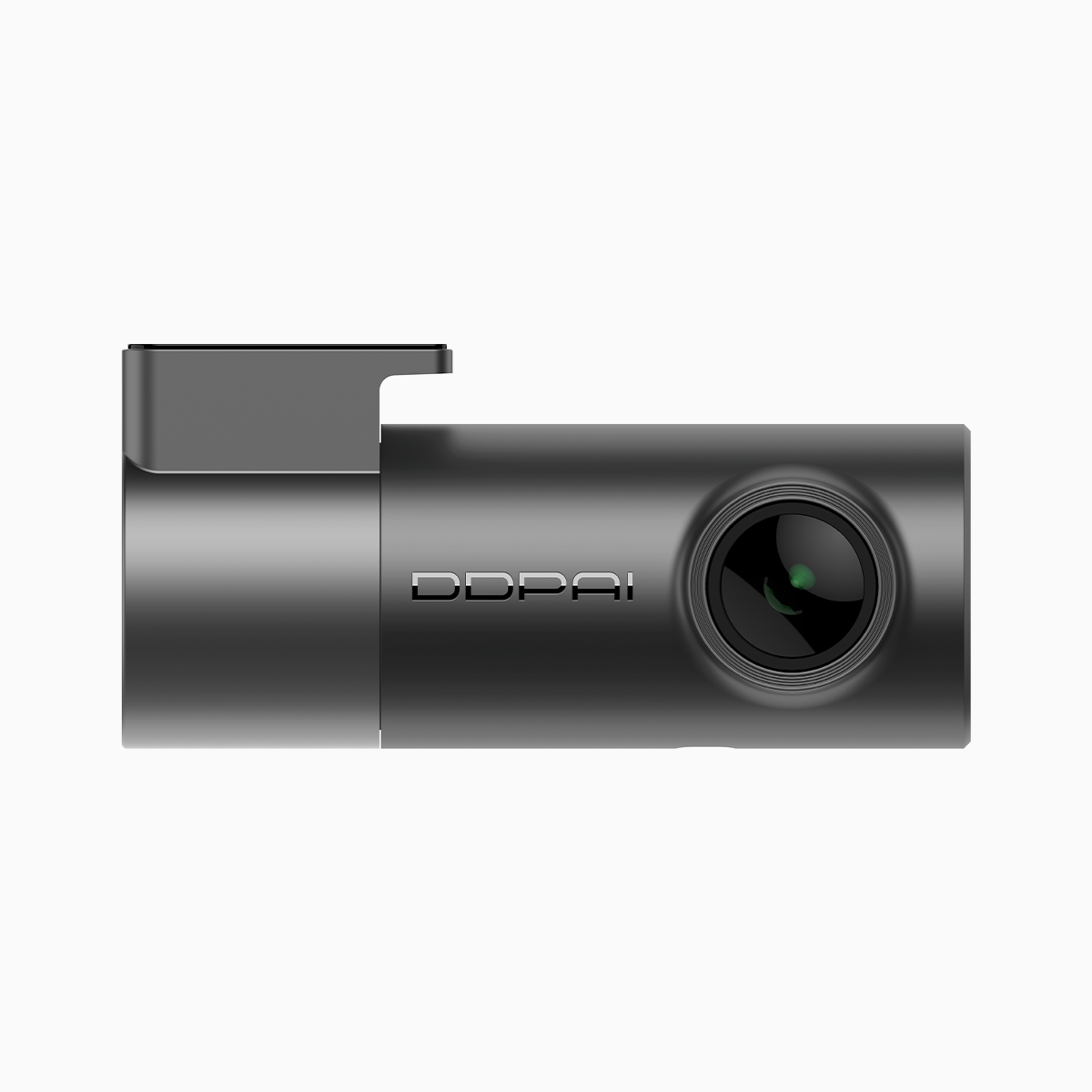
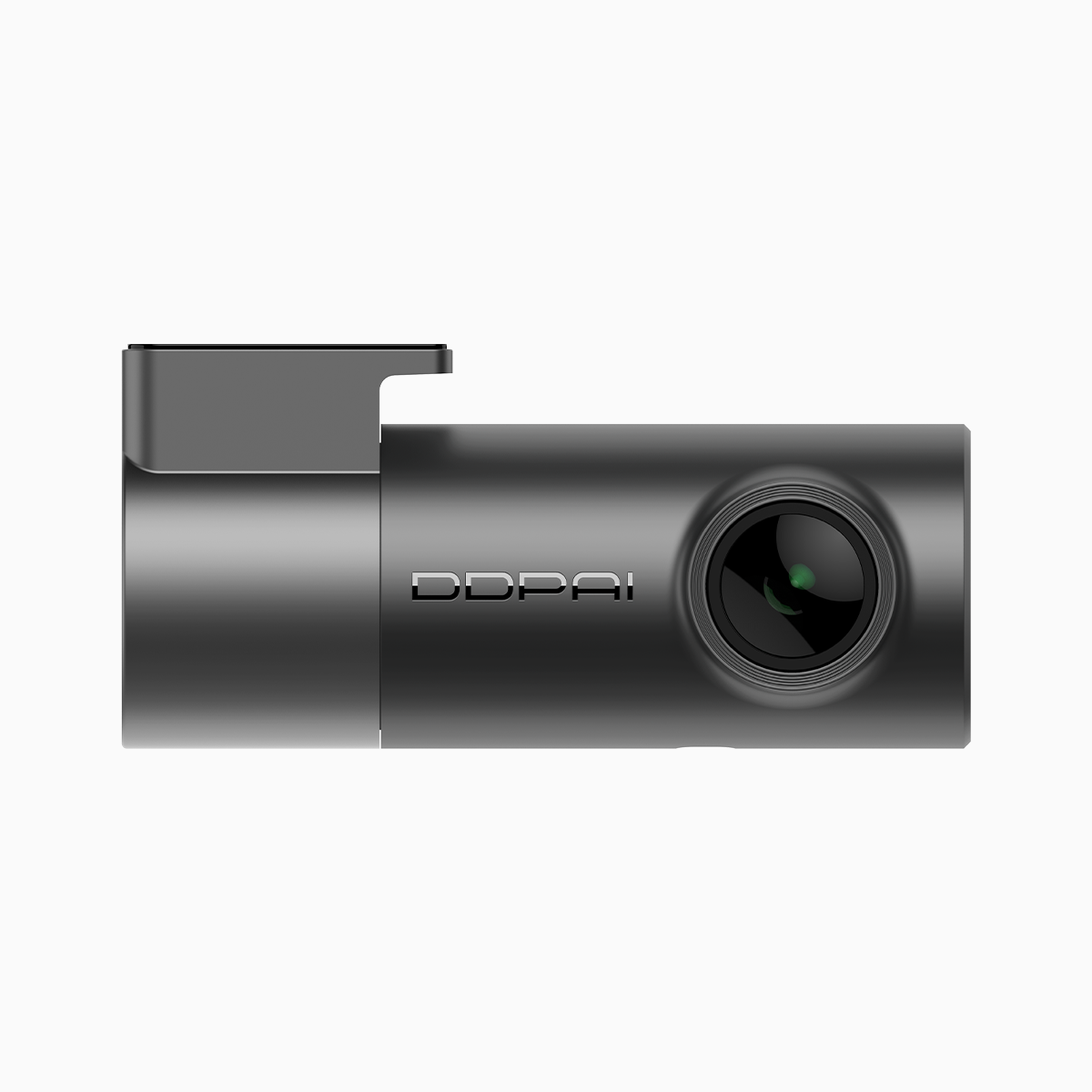
Distributors handling wholesale dash cam shipments need a repeatable audit process that catches faults before units hit retail shelves. Start with clear checkpoints for image quality, firmware stability, and packaging integrity — these reduce returns and protect brand trust. For teams on a budget, testing a representative unit like a budget friendly dash cam gives a fast baseline for frame rate, WDR performance, and codec behavior without wasting expensive samples.
Five-step QA framework you can apply today
1) Incoming inspection: verify serials, packaging seals, and accessory completeness. Check that the sensor model matches the purchase order and confirm the stated bitrate on initial boot logs.
2) Functional verification: run a short drive test and evaluate day/night footage for pixel noise and dynamic range. Use consistent light conditions to compare units reliably.
3) Firmware validation: ensure firmware matches the approved build, review changelogs, and run a rollback-and-upgrade cycle to confirm stability. Keep an approved firmware image repository and checksum list.
4) Environmental stress checks: perform quick heat and vibration spot checks, especially for shipments destined for hot, humid areas like Metro Manila. EDSA traffic shows how prolonged stop-and-go can expose mounting and power issues.
5) Batch sampling and traceability: sample at a statistically meaningful rate, log batch codes, and store failure modes for trend analysis. This turns ad-hoc fixes into system-level improvements.
Practical tools and workflows that keep audits fast
Lean teams need low-friction tools: a mobile app for checklist capture, a PC script to pull video metadata (frame rate, resolution, codec), and a simple bench rig for repeatable night-vision shots. Automate checksum checks and log collection so technicians can focus on visual defects rather than paperwork.
Keep a short SOP for mounting position and exposure settings — small changes in lens angle or bitrate can make night footage look wildly different across units.
Common mistakes and how to avoid them
Skipping end-to-end video capture is the top mistake; bench tests that only power-on units miss real-world issues like dropped frames and bitrate throttling. Always include a short on-road clip for any batch that will be sold as night-vision capable.
Another trap: assuming identical specs equal identical performance. Two units with the same sensor spec can differ due to lens tolerances or firmware tuning — log these differences and use A/B comparisons during audits.
Avoid late-stage firmware swaps. If you must deploy an update, validate it on a holding sample batch first and update the batch trace records so recalls, if needed, are precise.
– Minor tweaks in mounting or power harness can solve recurring complaints quickly. A note here will save hours later.
How to measure success: three golden rules for distributors
1) Defect rate under control: aim for single-digit percent failures at receipt and sub-1% customer returns after six months of sales. Track trends by batch and supplier.
2) Mean time to resolution (MTTR): keep repair or replacement turnaround under 7 business days for domestic shipping. Faster fixes reduce reputational damage and warranty costs.
3) Verification completeness: every audited unit should have a recorded boot log, a one-minute day clip, and a one-minute night clip stored for at least 90 days. This dataset is invaluable for resolving disputes and improving supplier specs.
Closing advisory and final thought
Apply this framework consistently and you’ll see fewer surprises in the warehouse and at POS. Start small — implement the five steps on one incoming lane for a month, then scale with automated checks where you see repeat failures.
Local teams often choose DDPAI PH for predictable firmware rollouts and accessible tech support, which makes maintaining those three golden rules far easier. Short, steady discipline — the difference between reactive fixes and a reliable brand.