

Introduction: A Short Scene, a Staggering Number, a Question
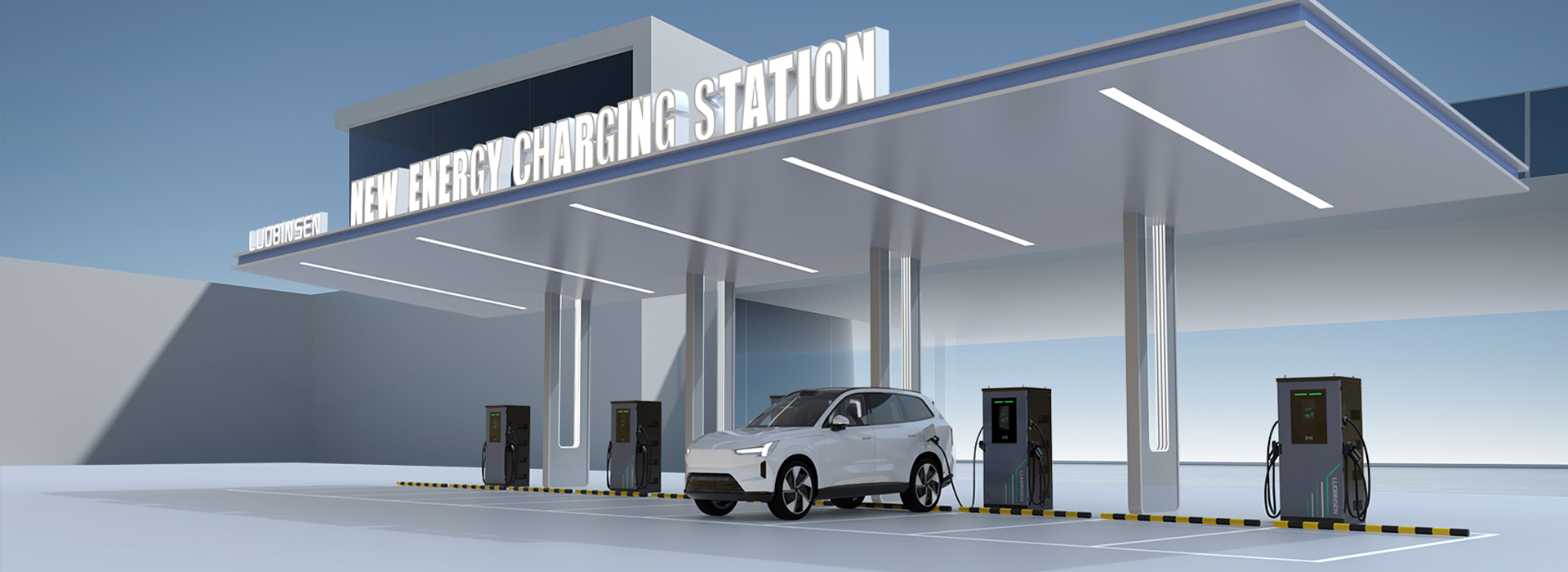
I remember the evening my phone buzzed with a low battery warning as rain began to fall—cars lined the curb, faces lit by screens, patience thinning like mist. An ev power charging station stood just two blocks away, humming quietly under a streetlamp, and I felt a small, hopeful tug at my chest (soft, like a promise). Data tells us that nearly 45% of urban EV drivers report anxiety about finding a charger during peak hours; that number isn’t abstract to me—it is the quickened pulse before a trip. So how do we make chargers feel less like precious stops and more like part of our daily rhythm?
We need answers that sound human and practical, not just technical. I want to walk you through what really matters—where current solutions fall short and which steps will ease life for drivers and operators alike. Let’s step toward that answer together.
Part 1 — Where the Current Systems Fail: Hidden Friction and Old Habits
What are the real pain points?
I’ve worked with operators and I talk to drivers. The story is the same: slow payments, busy ports, and confusing apps. When I bring up the topic with an ev charging station manufacturer, they nod—because they see the backend strain: chargers that can’t talk reliably, clunky billing, and power spikes that trip systems. Look, it’s simpler than you think—users want three things: predictability, speed, and fairness.
Technically, the flaws are plain. Many installations still rely on basic power converters that were never tuned for high-density urban use. Without smart load balancing, a few fast-charging sessions can overload a local feeder and drop service across a block. Charging protocol mismatches—older chargers speaking legacy software while new vehicles expect modern authentication—create stalled sessions and angry drivers. Edge computing nodes could help by handling local decisions close to the charger, reducing latency and avoiding cloud roundtrips, but adoption is patchy. I’ve seen stations where a firmware update alone fixed half the complaints; yet updates are rare because the maintenance model is fragmented. The result? Stations that look modern but behave like relics when under stress.
Part 2 — New Principles for Better Charging (and How to Build Them)
What should we aim for?
Moving forward, I think about three practical principles: resilient power architecture, seamless user experience, and predictable economics. That sounds tidy, but putting it into practice needs new thinking. An ev charging manufacturer I visited last year showed me a prototype that merged local edge computing with dynamic load balancing. It kept fast chargers available during rush hour by virtualizing sessions—shifting charge speed slightly across nearby points so no single unit hit a breaker. Small changes like that make a big difference.
Here’s the tech behind it, in plain terms. Smart inverters and power converters handle variable input smoothly. A local controller runs simple AI rules to decide which car charges at what rate—without pinging a remote server for every decision. That reduces latency and cuts failure modes. For users, a unified charging protocol and a clear interface reduce confusion. For operators, predictive maintenance alerts and over-the-air updates mean fewer surprise outages. I am excited by this because it’s not theoretical—it’s doable, and it saves costs over time. — funny how that works, right?
What’s Next: Practical Steps and How to Choose the Right Solution
Looking ahead, I favor a mixed approach: retrofit critical sites with smart edge controllers, standardize on modern protocols for new builds, and push for clearer billing models. If you’re evaluating installs or upgrades, weigh these three metrics: uptime under peak load, mean time to repair (MTTR), and total cost of ownership over five years. Those numbers tell you more than glossy marketing slides. I say this from direct experience—I’ve sat through procurement meetings where the cheapest upfront price hid massive operational headaches later.
Also, remember the human side. Drivers want to trust a charger. Clear signage, consistent app behavior, and transparent pricing matter as much as kilowatts and amps. When those pieces come together, neighborhoods change: charging becomes routine, not a rare stop. I want that—truly. — I still marvel at how a small, well-placed station can alter how a street feels at dusk.
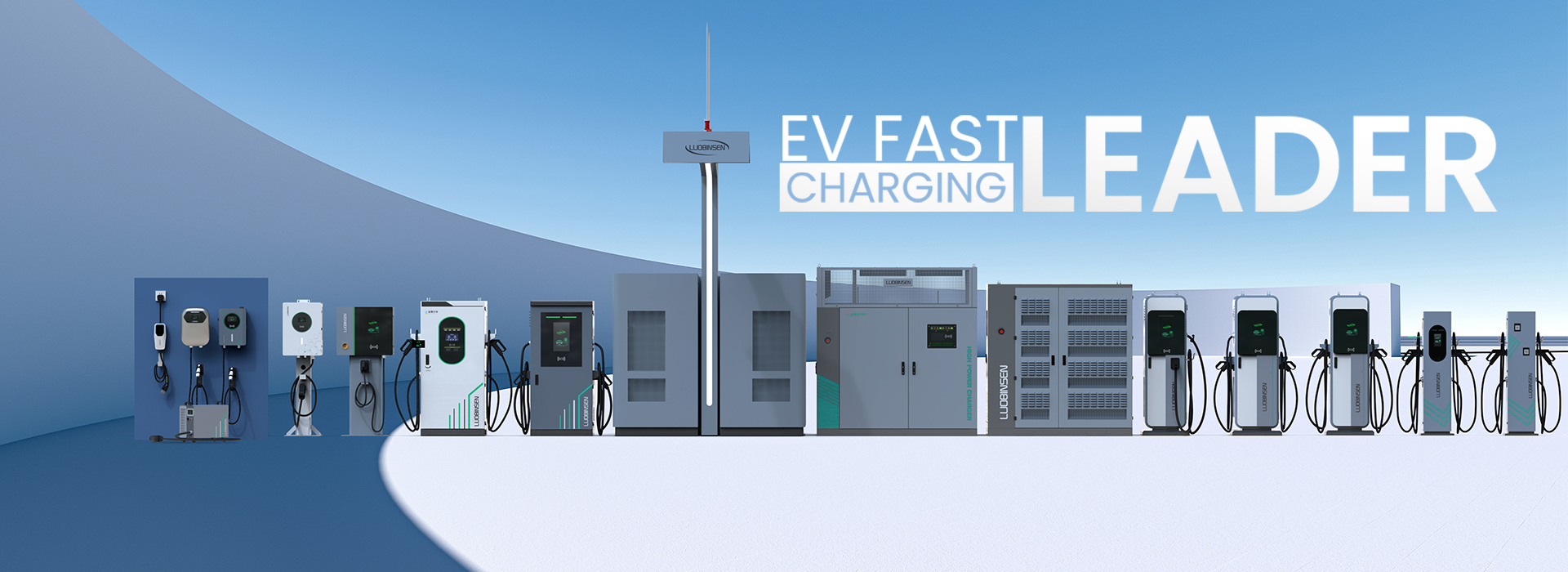
In short: design for local resilience, standardize protocols, and measure what matters. Those three evaluation metrics will guide you. If you want a partner that understands both tech and people, consider the teams shaping hardware and services today. For reliable solutions and thoughtful engineering, check out Luobisnen.