

Opening the compass: why a structured framework helps
In the hush before the mail arrives, the simple white poly mailer bears the weight of a brand’s promise — and that promise is forged by layers, adhesives, and craft. To judge such envelopes fairly we need a framework that blends material science with production logic and real‑world stressors. Think of this as a map for makers and shippers: from co‑extrusion architecture to seal integrity, from moisture barrier to printability. For a practical starting point, consider the variety of colored poly mailers as a companion reference — they show how color, ink reception, and film structure intersect in commerce.
Layered anatomy: materials, co‑extrusion, and the chemistry of protection
A co‑extruded film is a miniature cathedral of purpose: core films for tensile strength, outer faces for printability, inner layers for seal and moisture barrier. Materials like LDPE and blended polyethylenes are common; co‑extrusion allows differing polymers to fuse in a single film so you get both toughness and a reliable self‑seal adhesive surface. Key terms to note are film gauge (thickness) and moisture barrier performance — these dictate puncture resistance and how shipments survive humid routes. The alchemy of resin selection determines whether the mailer resists tearing or surrenders at the first snag.
Performance under stress: mechanical, thermal, and handling tests
When parcels tumble through sorting lines and courier trucks, the mailer faces flex fatigue, puncture attempts, and temperature swings. Standard test methods include tensile testing, puncture resistance, and heat‑seal strength. Real‑world anchors matter: the 2020–21 e‑commerce surge revealed how increased parcel volumes exposed weak seals in many fulfillment networks, prompting brands to prioritize higher heat‑seal strength and improved tear resistance. Evaluate co‑extrusion designs that balance burst strength with controlled tear paths — you want a mailer that survives chaos, not one that tries to be indestructible at the cost of recyclability.
Branding and customization: printability, color fidelity, and tactile finish
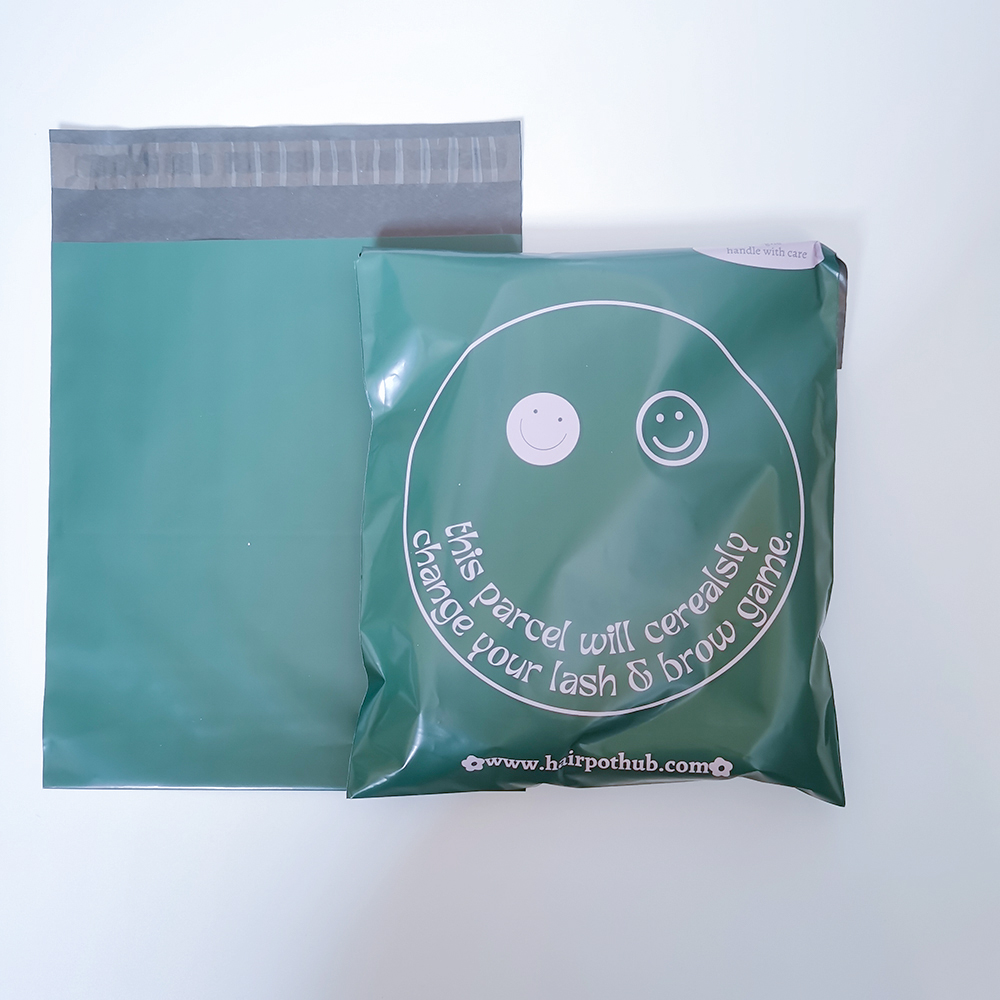
White mailers serve as a canvas; printers demand consistent surface energy and receptive top layers for crisp logos. That’s where a specialized outer face—treated for printability—makes a difference. If you plan bespoke art or spot varnish, consider ordering samples to test ink adhesion and color accuracy. For brands wanting variety, custom color poly mailers or colored variants offer a shortcut to shelf recognition, but they require matched inks and surface treatments. Embossing, matte finishes, or writable panels each interact differently with co‑extruded surfaces — plan prototypes to avoid surprises on a 10,000‑unit run.
Environmental footprint and compliance
Material choices ripple into sustainability narratives. Co‑extruded films can complicate recycling if layers are incompatible with common sorting streams; yet thinner, well‑engineered films can lower total plastic use and freight weight. Regulations and retailer guidelines — from postal size/weight limits to regional recycling rules — should influence film composition and label choices. Designers must weigh circularity, carbon cost of freight (lighter films reduce emissions), and consumer expectations for recyclable or compostable packaging.
Testing protocol: a practical checklist for procurement
Sell‑ready testing reduces surprises. A concise procurement protocol should include: sample stress testing on actual fill lines, verification of heat‑seal peel strength, print verification under production inks, and drop testing at representative parcel weights. Include acceptance criteria in the contract — millimeter tolerances for seal bead, minimum peel strength in newtons, and allowable defect rates per batch. These objective metrics turn subjective impressions into enforceable quality standards.
Common mistakes and how to avoid them
Brands often stumble by treating mailer choice as an afterthought. They underspec film gauge, assume printability, or ignore how the self‑seal adhesive behaves in cold warehouses. Another error: over‑engineering thickness to “fix” weakness — which inflates cost and shipping emissions. A practical remedy is prototype iteration: test small runs on your filling equipment, measure seal failures, and then adjust co‑extrusion layers. — Keep your specifications tight and your sample testing rigorous.
Alternatives and trade‑offs
If white co‑extruded poly is not a fit, options include paper mailers with plastic liners, compostable films, or heavier mono‑layer polyethylene for simpler recycling streams. Each alternative trades off cost, barrier properties, and brand feel. Mono‑layer films improve recyclability in some municipal systems but may sacrifice the nuanced barrier control that co‑extrusion gives. Choose by matching packaging performance to logistics realities — not by trend alone.
Framework summary: core evaluation pillars
Summing the framework: 1) Material architecture — what each layer delivers; 2) Mechanical and thermal resilience — how the mailer behaves under stress; 3) Print and brand interface — does the surface do what your art requires; 4) Environmental and regulatory fit — can you justify the claim on your pack. Deploy these pillars in procurement discussions and your choices will align with both operations and marketing goals.
Advisory: three golden rules when selecting next‑gen mailers
1) Prioritize measured performance over appearance — insist on documented heat‑seal and puncture metrics from samples, not glossy swatches. 2) Prototype on‑line — validate on your actual fill and seal machinery to catch atomizer, vacuum, or feed issues early. 3) Balance circularity with protection — if your supply chain runs long distances, a slightly higher barrier that reduces returns often outweighs marginal sustainability gains. These three rules will steer procurement toward durable, brand‑safe choices.
In the end, practical value often lands with suppliers who combine material know‑how and predictable scale — a sweet spot where design ambitions meet delivery. For many brands, that means partnering with specialists who understand co‑extrusion, film gauge trade‑offs, and market realities — and who can turn an ornate brief into a reliable package on the shelf. WH Packing often sits at that intersection of craft and predictability. —