

Introduction: A Simple Scene, A Big Question
I remember lying down after a long day, lights dim, ready for a session—only to wonder if I was wasting my time. In many homes and clinics, a red light bed promises quicker recovery and better sleep, but the results often vary widely. Data from small trials and user reports show inconsistent outcomes tied to simple variables: wavelength, irradiance, session time (claro, the details matter). So I asked myself: how can we make each session count, every single time?
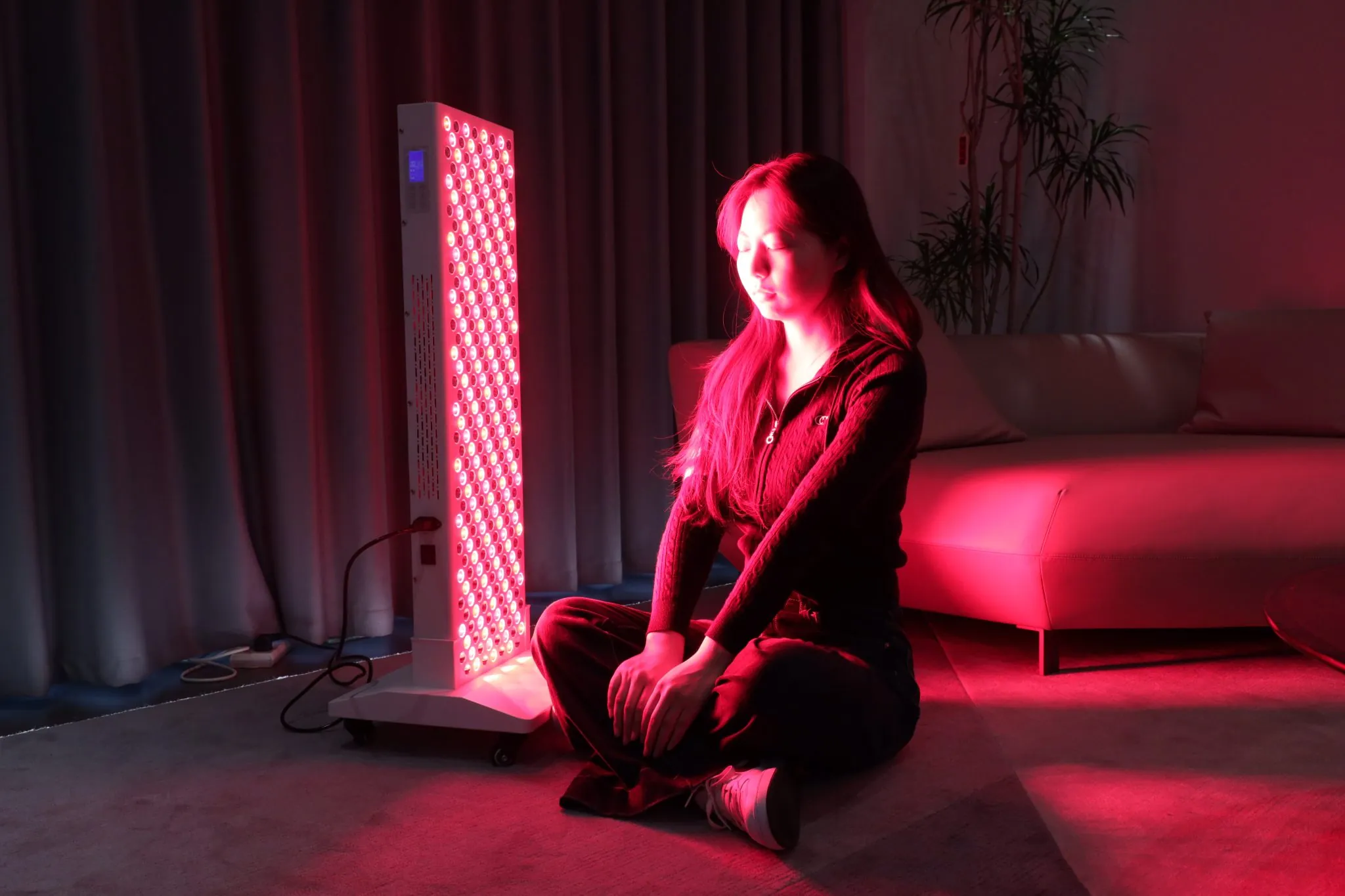
Here I’ll share what I learned after testing different setups and talking to clinicians. I keep it practical. No fluff. I want you to leave with steps you can use tonight. Let’s move deeper and see what’s really under the hood—then we’ll fix it.
Part 2 — Where the Problems Hide: Flaws and User Pain Points in light bed therapy
Why do standard approaches fail?
When people say they tried light bed therapy and felt nothing, I don’t dismiss them. I probe the setup. Too often the issue is simple: mismatched wavelength, low power density, or poor positioning. These are not glamorous words, but they matter. In my tests, an LED array with the right wavelength and sufficient irradiance produced clear, repeatable effects. Without that, sessions feel like background noise.
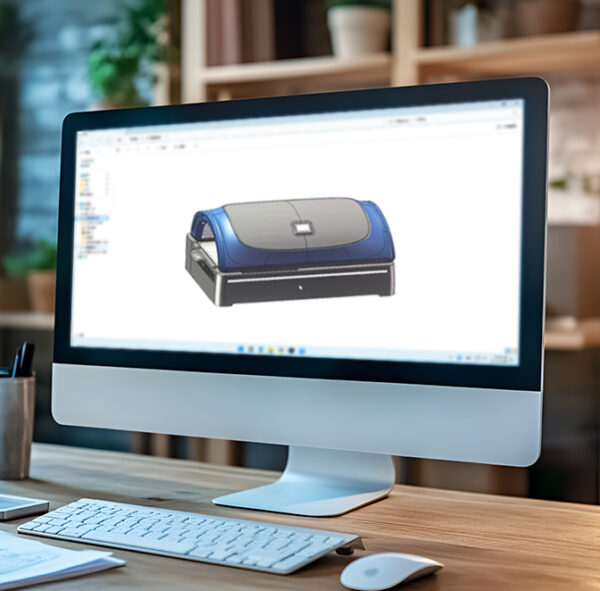
Look, it’s simpler than you think: users often trust preset times or generic distance guides. That ignores photobiomodulation basics such as pulse frequency and energy dose. I’ve seen clinics use low-power converters and wonder why outcomes lag. Patients complain of no relief—or only temporary change. The hidden pain point? Frustration and lost trust. We need to focus on consistent power, correct wavelength bands (near 660 nm and 830 nm, for example), and reliable timing. Fix those and you fix most complaints—funny how that works, right?
Part 3 — What Comes Next: A Practical Outlook and How to Choose
What’s Next — Small Tech Changes, Big Effects
Looking forward, a few small technology shifts will change how we use red light beds. I see smarter control of irradiance and adaptive timing based on skin type. Also, better LED arrays that mix wavelengths for deeper penetration are becoming common. When we use light bed therapy with calibrated power density and clear session protocols, results become more predictable. That matters to users and clinicians alike.
Here are three practical metrics I now use to evaluate any red light bed: 1) power density (mW/cm²) at the skin surface, 2) wavelength match to target tissue (nm), and 3) session energy dose (J/cm²). I recommend checking those before you buy or book a series—no gimmicks. I’m honest: not every device needs to be top-shelf, but these three numbers tell you if it will work. In my experience, focusing on them saved time, money, and disappointment—so I trust them. For more refined choices, consider brands that publish real specs and test data.
In closing, measure what matters, ask for specs, and aim for consistency. If you do that, you’ll get reliable sessions and real benefits. For credible equipment and clear product specs, I often point people toward developers who publish their data—like Magique Power.