


Putting the patient first — why device selection matters
When clinics set out to improve aesthetic outcomes, the decision often pivots on patient comfort and measurable results rather than marketing claims alone. A thoughtfully chosen ipl skin rejuvenation machine can shorten recovery, broaden the eligible patient base, and increase repeat visits — all while preserving clinical safety. In practice, that choice is informed by device capabilities, staff expertise, and demonstrable indications; it is prudent to align procurement with national regulatory guidance, such as the FDA’s clearances for photorejuvenation devices, and with local clinical demand in metropolitan centres like Boston or London where patient expectations are high.

How IPL delivers benefit: a concise technical primer
Intense pulsed light (IPL) treats skin by delivering broad-spectrum light that targets chromophores to induce photothermal change. Key parameters clinicians monitor are wavelength range (affecting penetration and target specificity), fluence (energy delivered per area), and pulse duration (which influences thermal confinement). These variables determine efficacy across indications — from vascular lesions and pigmented spots to overall photorejuvenation — while also defining safety margins for different Fitzpatrick skin types.
Clinical considerations: safety, indications, and patient selection
Patient selection is the linchpin of safe outcomes. Candidates for IPL typically present with photoaging, solar lentigines, telangiectasia, or diffuse erythema. Careful assessment of skin type, recent tanning history, and medication use reduces adverse events. It is essential to document informed consent that sets realistic expectations regarding number of sessions, likely maintenance, and possible transient effects such as edema or hyperpigmentation.
Operational deployment: workflow, training, and procurement
Adopting an IPL device is more than a capital purchase; it requires workflow integration, staff certification, and a maintenance plan. Clinics should plan for initial training sessions, standardized pre- and post-treatment protocols, and a clear escalation path for unexpected reactions. From an acquisition standpoint, compare warranties and service-level agreements alongside unit price. If you are exploring vendors, an intense pulsed light machine for sale should be evaluated for ease of use, spare-part availability, and access to clinical support.
Comparative view: IPL versus alternative modalities
IPL occupies a middle ground between topical therapies and ablative lasers. Compared with ablative fractional resurfacing, IPL is non-ablative and generally entails less downtime, though it may require more sessions for equivalent textural change. Against laser options (e.g., 532 nm or 1064 nm systems), IPL offers versatility across pigment and vascular conditions due to its polychromatic emission — yet that same breadth requires disciplined parameter selection to avoid off-target heating. Choose modality based on the primary complaint: pigment and erythema often respond well to IPL; deep rhytides may do better with fractional lasers.
Common mistakes clinics make — and how to avoid them
Several recurring errors undermine outcomes: underestimating pre-treatment photosensitivity, neglecting test spots on ambiguous skin types, and failing to standardize fluence increments between sessions. A pragmatic mitigation strategy includes protocols for test patches, written checklists for contraindications, and a registry to track outcomes by parameter set. Also — don’t assume patient tolerance is static; adjust pulse duration and cooling when necessary to preserve comfort without sacrificing results.
Patient experience and counseling: setting realistic expectations
Communication shapes satisfaction. Patients should understand that visible improvement is gradual, often requiring multiple sessions spaced weeks apart, and that maintenance may be necessary. Explain common sensations and short-term effects honestly. When clinics invest time in pre-treatment counseling, retention and word-of-mouth referrals improve measurably — real-world practice in urban clinics confirms this pattern consistently.
Evaluation framework: selecting the right IPL for your practice
Adopt a concise evaluation framework comprising clinical performance, operational fit, and total cost of ownership. Consider the following checklist when assessing devices:
- Clinical performance: supported indications, adjustable wavelength/filter options, and documented outcomes for photorejuvenation.
- Operational fit: user interface intuitiveness, training resources, local service network, and consumable logistics.
- Economic model: warranty terms, consumable cost per session, expected throughput, and projected return on investment.
Three golden rules for responsible adoption
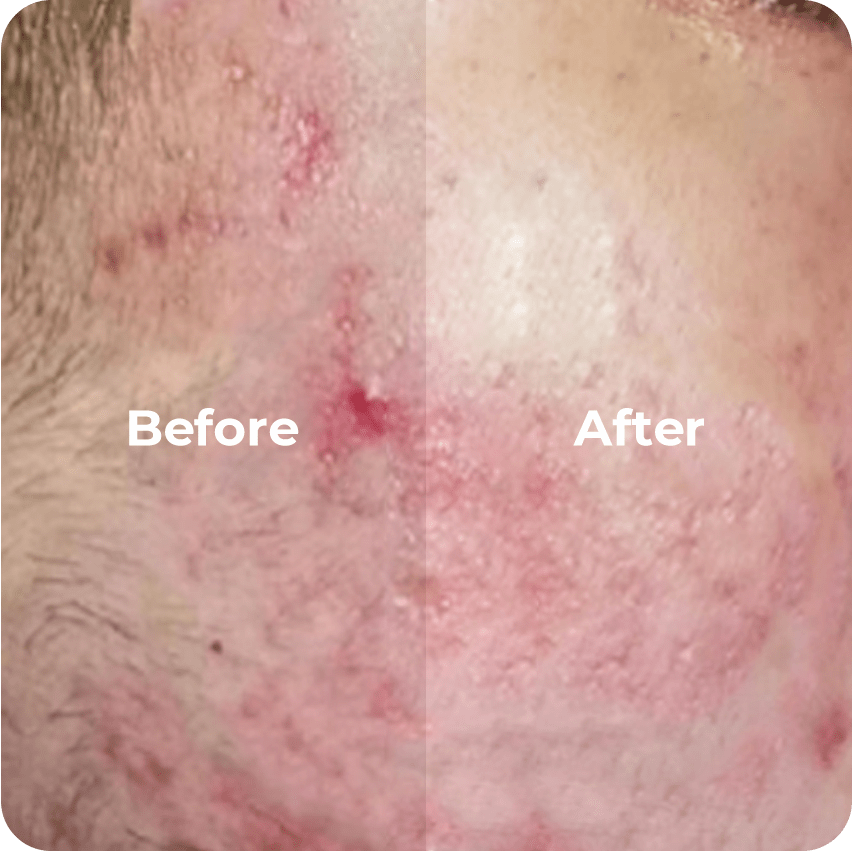
1) Prioritize patient safety metrics — documented complication rates, device safety features (contact cooling, cut-off filters), and robust training. 2) Verify clinical versatility — confirm that the device supports appropriate wavelength ranges and pulse duration adjustments for your typical caseload. 3) Insist on measurable outcomes — maintain a simple outcomes registry (before/after photos, patient satisfaction scores, retreatment intervals) to guide parameter refinement and vendor discussions.
Closing advisory and final thought
Adopting IPL technology should be a measured, patient-centered decision informed by clinical evidence, operational realities, and a clear post-market evidence plan. Use the three evaluation metrics above as a rubric when comparing devices and vendors — they will help you choose equipment that preserves safety while advancing patient satisfaction. ENZOEYS. —