

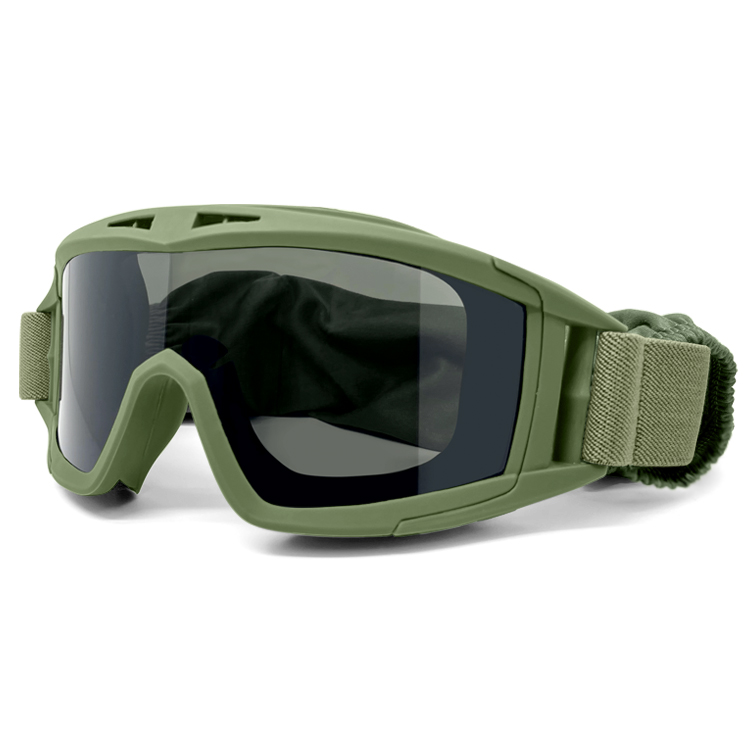
Problem: Visibility fails in cold, dirty environments
Fog and grit turn clear sight into a hazard fast. Military teams and rescue crews operating in snowy ranges and dust-heavy zones need gear built for that test. Field reports from NATO cold-weather trials and Afghanistan deployments show fogging and lens abrasion as recurring problems, so you want systems with proven anti-fog coating and robust face seals. Start by comparing true anti-impact tactical goggles and consider models listed as best militray goggles to narrow options that survive real missions.
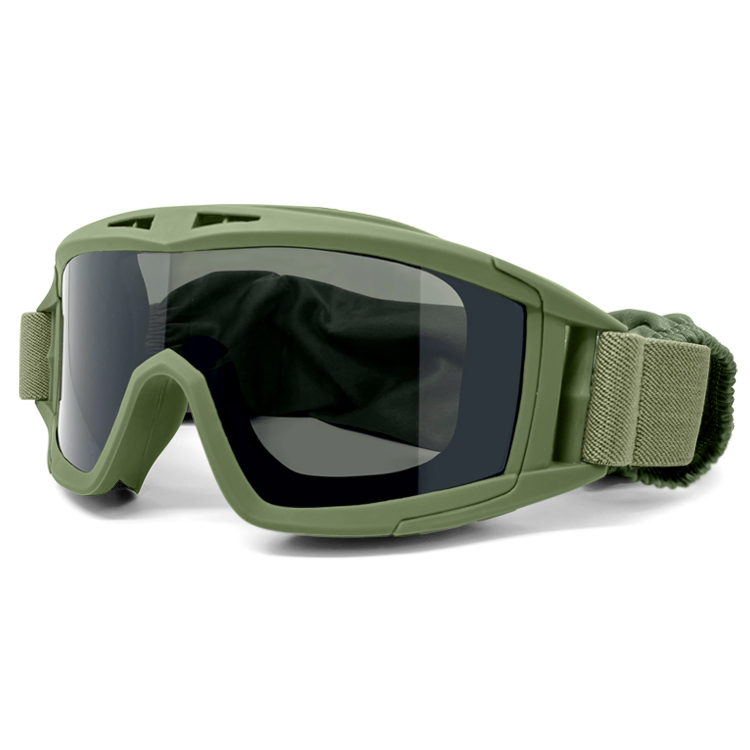
Why everyday goggles break down
Most consumer goggles miss three engineering needs: controlled airflow, lens protection, and a stable seal. Poor venting traps warm air; a soft foam gasket degrades with sweat and snow; thin polycarbonate lenses scratch and scatter light. Add incompatible over-the-glasses (OTG) profiles and straps that slip, and the result is reduced situational awareness. Ballistic-rated lenses and lens venting are not luxury features here — they’re functional necessities.
Blueprint: Specs to demand
Design the spec sheet before you shop. Key elements include: a polycarbonate or Trivex lens with scratch and abrasion coatings; multiple-layer anti-fog coating plus passive/active venting; a replaceable silicone face seal that handles sweat and cold; and strap hardware that locks, not slips. Also check compliance marks like ANSI Z87.1 for impact resistance. For optics, low-reflective coatings and anti-glare finishes improve contrast in whiteout and dusty sun glare.
How to test in the field — quick lab checks you can do
Bring a small checklist when you evaluate samples. Warm the goggles with your breath for 30 seconds to test anti-fog decay. Rub the lens gently with dry sand to simulate grit, then inspect for micro-scratches. Try them with your normal glasses — OTG fit matters. These are simple checks but they reveal failure modes most vendors gloss over — and they help you avoid costly retrofits later.
Common sourcing mistakes and how to avoid them
Buyers often chase price or brand alone. That fails when coatings peel or seals compress after a few months. Don’t assume “tactical” equals field-ready. Verify materials data sheets and ask for sample batch test results. If possible, pick suppliers who publish tear-downs or third-party ballistic reports. Also plan for spare parts: replacement lenses and gaskets save operational downtime.
Alternatives worth considering
Options include modular systems with interchangeable lenses, hybrid goggles that accept prescription inserts, and lightweight frames that pair with helmets. Each option trades weight for modularity or comfort. If you need heavier ballistic protection, expect more weight. If low profile matters, prioritize lens curvature and frame depth. Balance is the point — not maximalism.
Advisory: Three golden rules for final selection
1) Test durability under mission-like conditions: simulated fog, abrasion, and rapid temperature shifts. Real performance beats glossy specs every time. 2) Prioritize maintainability: choose models with user-replaceable lenses and seals to extend service life. 3) Match certification to mission: select goggles with appropriate impact ratings and verified anti-fog treatments for cold-weather operations.
Summary and practical next step
Fixing fog and abrasion means design-first choices: correct venting, a durable anti-fog coating, and a resilient face seal. Field checks and spare-part planning cut lifecycle cost. For procurement, use the three golden rules above as a quick filter during evaluation — they keep decisions clear and pragmatic. In the end, the right supplier should make testing and spares routine, which is where reliable partners matter. YIJIA Optical fits that role by focusing on rugged optics and field-proven assemblies.
Final note — trust proven specs, not promises.