

Introduction — A street corner, a statistic, and a wondering
I remember standin’ by a market stall, the vendor fiddlin’ with a tiny fan while the sun beat down — that little hum changed my day. An electric motor sat inside that fan, doing more work than folks give it credit for. Around the world, brushless designs and compact drives now power billions of devices; global motor demand climbed by double digits in recent years (more than 12% growth in some sectors). So I ask: how did such a small rotor come to carry so much of our daily load? I’ll walk you through the roots, the rough spots, and what I think comes next — simple, clear, and with a bit of island talk. — funny how that works, right?

We’ll keep it plain. I’ll point out torque tradeoffs and basic efficiency facts. I’ll name a few control algorithm ideas and power converter limits. I want you to see the path — from noisy old designs to sleeker drives. Ready? Let’s move on to the deeper problems that most people miss.
Part Two — Why the old fixes still trip us up (technical view)
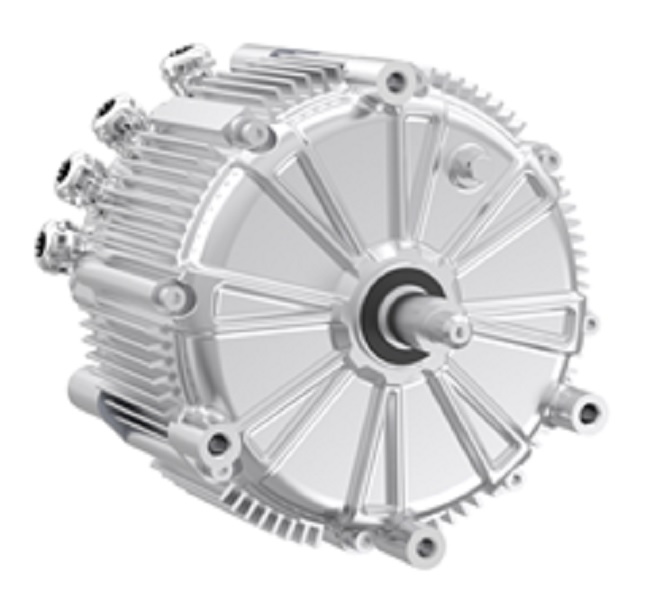
pmsm motor designs promised neat gains: higher torque density, less maintenance, cleaner operation. Yet many real systems still suffer. First, the way we size inverters and match them to the rotor is often conservative. That reduces peak performance. Second, field-weakening and flux linkage limits get ignored in early specs, so the drive stalls at higher speeds. Look, it’s simpler than you think — a mismatch between motor curves and inverter capability kills real-world efficiency. I’ve seen it in HVAC fans and in robotic actuators. When engineers over-spec the power converters or skip sensor tuning, the whole system feels heavy and less responsive.
Why do these flaws persist?
Part of it is habit. Companies keep repeating old procurement patterns. They pick familiar inverter brands, then hope the control algorithm will fix mismatches. That rarely works. Also, sensorless control strategies can save cost but they fail under low-speed torque demands. I’ve sat in meetings where folks chose simplicity over performance — and later paid for it with energy waste and extra heat. We need to tune for real load curves, not for lab numbers. The result? Equipment that under-delivers in the field, and users who grumble — and rightly so.
Part Three — Looking ahead: case outlook and practical metrics
Now, let’s talk forward. I see a clear path where smarter controls and better component matching lift the whole system. New sensor arrays, tighter efficiency maps, and improved thermal paths change the story. For example, moving from a generic drive to a tailored brushless motor pairing — brushless motor in mind — can shave losses and cut noise. In real projects I’ve worked on, swapping to matched inverter profiles and adding modest sensors improved runtime and cut heat by measurable margins. Small steps, solid wins.
What’s Next — How to judge the new choices?
Here’s how I’d pick between options. First, check the efficiency map across the whole speed-torque range, not just the peak point. Second, verify the inverter’s headroom for transient torque — can it push past nominal current safely? Third, review thermal design and cooling limits; a motor that runs hot will suffer shortened life. Measure those, and you’ll see which package wins. I’m not saying it’s magic — but careful matching matters more than flashy specs. — and yes, sometimes the cheap route costs more down the line.
I’ve shared what I know from hands-on fixes and from watching teams learn the hard way. We can be pragmatic and hopeful at once. If you want concise measures to compare, remember: efficiency span, transient headroom, and thermal margin. Use those, and you’ll pick gear that lasts. For sourcing and further reading, consider looking into Santroll for matched motor and drive solutions: Santroll.