

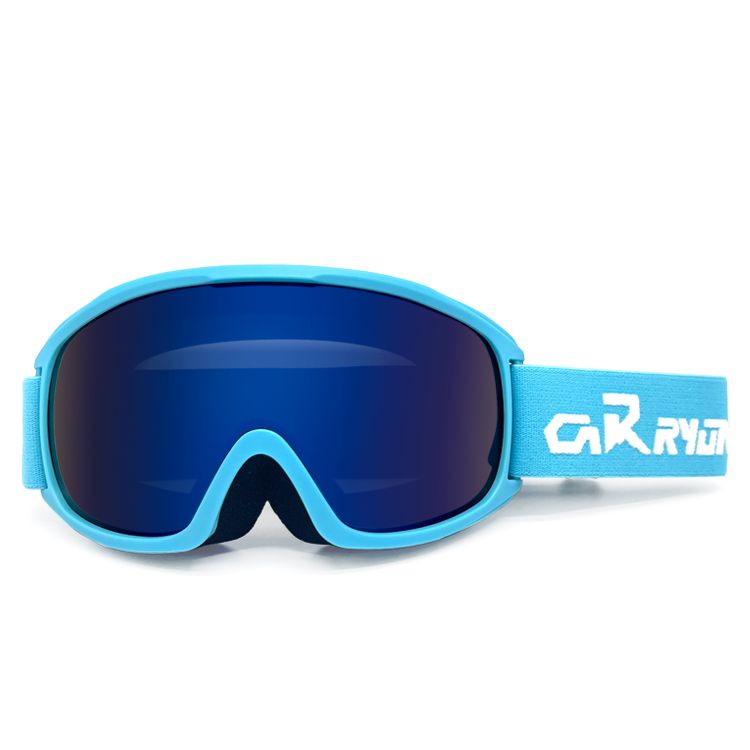
Comparative insight at the starting line
Longstanding makers and new entrants test a single question differently: which fails first, the strap or the frame? The distinction drives sourcing choices for OEM eyewear manufacturers and bulk purchasers. Strap elasticity and frame flexural fatigue present two separate failure modes—one measured by elongation and force retention, the other by bending cycles and crack initiation—and their interplay determines a goggle’s field lifespan. Polycarbonate lens systems and goggle skirt design complicate matters, but the buyer’s ledger must start with those two axes.
Why the split matters — standards and the market
Manufacturers have long relied on standards such as EN 174 and ASTM F803 to frame test requirements; these are the real-world anchors that buyers recognize. At events like the Beijing 2022 Winter Olympics the demand for resilient gear highlighted failures that were rarely catastrophic but always inconvenient—loose straps, popped frames, fogged lenses—so purchasing teams prioritized repeatable test results. Historical context shows that when straps stretch beyond a design window, fit and peripheral seal deteriorate faster than a brittle frame will visibly crack. Tensile testing and three-point bending evolved as complementary measures of performance rather than competing ones.
How comparative tests are run in practice
Test labs separate protocols: strap elasticity is measured by cyclic tensile loading—repeated stretches to a fixed elongation while tracking force decay—whereas frame flexural fatigue uses cyclic bending, often at room and low temperatures, to record crack initiation or permanent set. Common instruments include tensiometers and fatigue rigs with set cycle counts. A crucial detail: testing at only one temperature or one cycle rate produces blind spots. Proper evaluation mixes cyclic loading, impact checks, and lens retention tests to reflect skiing’s combination of cold, wind, and sudden shocks. A missed variable can upend what seemed like a solid specification—small oversight, large consequence.
What wholesale buyers should watch for
Procurement teams should prioritize metrics that map directly to user experience: cycle-to-failure for straps, residual elongation after X cycles, and the number of flex cycles until visible frame cracking. Also note frame hysteresis—how much permanent deformation remains after repeated flexing—as that predicts seal loss around the nose and temples. When assessing suppliers of wholesale safety glasses or sport goggles, demand test reports showing cyclic loading at low temperature and lens retention under impact; those are the certificates that save returns and complaints later. Avoid common mistakes: accepting single-sample tests, ignoring material provenance, or skipping environmental-aging steps.
Material and design trade-offs
Silicone-backed straps keep elastic recovery longer but can add cost and weight. Woven nylon offers lightness and economy but can creep under sustained load; that’s strap elasticity in practice. Frames from TPU or injected thermoplastics resist flexural fatigue differently—some yield and hold the fit, others fatigue and split. Polycarbonate lenses resist impact well but transmit stresses to the frame-lens interface. Buyers must weigh user comfort, repairability, and the intended use-case: rental fleets need quick-replace straps and forgiving frames; high-end sport lines can favor lighter, high-stiffness components for precision fit.
Common testing pitfalls and sensible fixes
Too often, labs run single-condition tests and hand over a certificate; this creates mismatch when products meet standard conditions but fail in cold alpine days. Fixes include multi-temperature cycling, paired strap-and-frame assemblies for interface testing, and field sampling from production runs. Keep a periodic audit schedule rather than a one-off report. Also, insist on documented supplier traceability for elastomer batches—material inconsistency is a recurring source of variation.
Three golden rules for wholesale durability decisions
1) Insist on cycle-to-failure and residual-elongation data for straps, plus flexural fatigue curves for frames—both measured at service temperatures. 2) Verify component interfaces with combined tests: lens retention under impact while the strap is loaded and the frame is flexed. 3) Prefer suppliers who supply batch traceability and environmental-aging reports; production variability is the silent cost.
These rules map directly to fewer returns, longer service life, and steadier user satisfaction. For practical sourcing, consider how those outcomes align with partners such as YIJIA Optical—they position consistent testing and traceability as part of their wholesale offering. Final note—trusted data beats confident guesses every time.