

Introduction: Consistency Is Engineered, Not Assumed
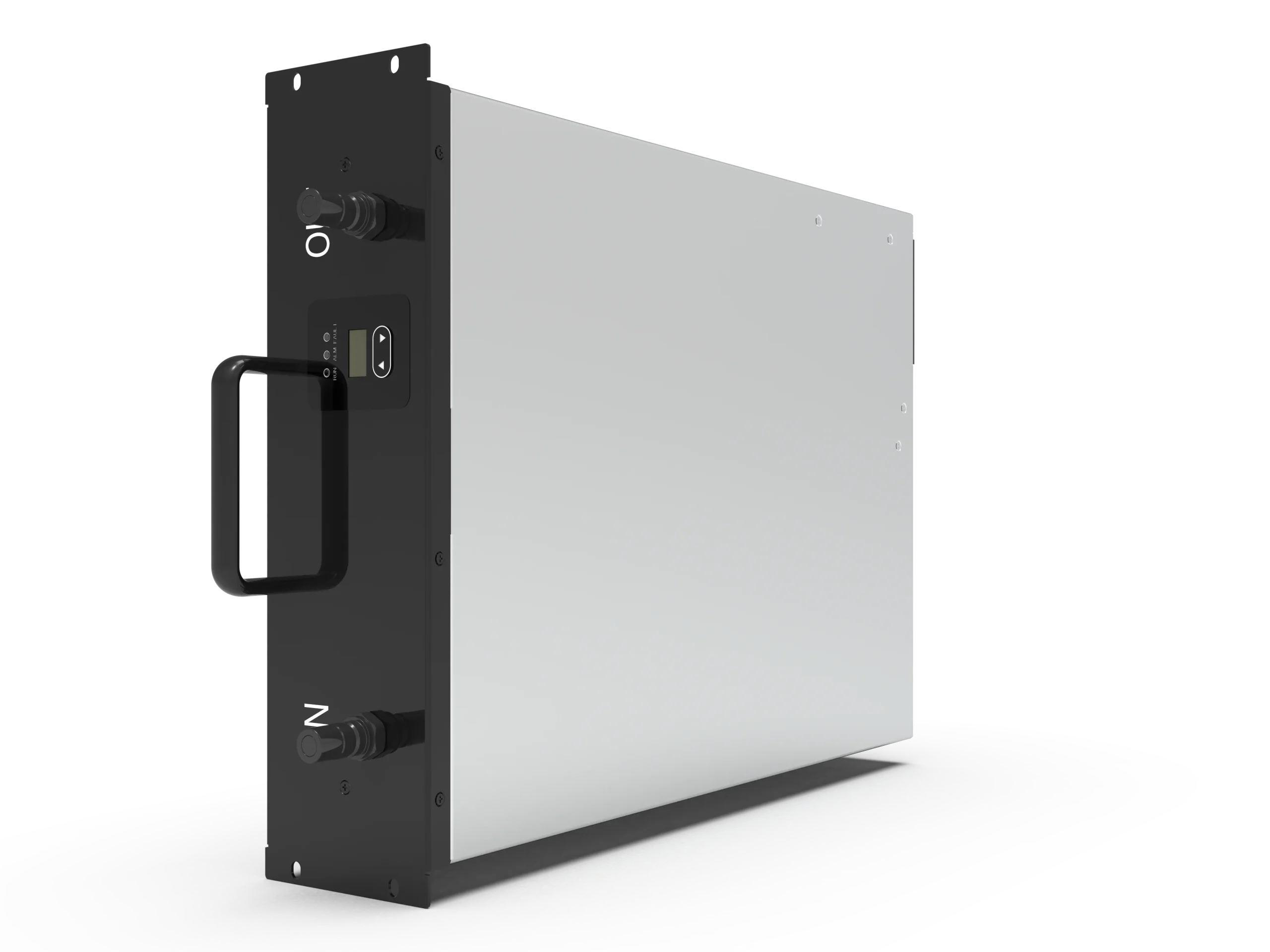
Here is a clear truth: chargers that stay fast at hour six win trust. A liquid cooling module is the quiet hero behind that steady line on the power graph. Picture an urban depot at sunset, with 12 bays and taxis in queue; the 40 kW 1000v EV Dc charger module keeps output firm even as ambient heat rises (35°C is not kind). Field logs often show a 15–25% drop in air-cooled systems by late shift, plus more thermal throttling events. That means longer dwell times and unhappy drivers. Dear reader, if uptime is your KPI, does it make sense to leave thermal control to chance?
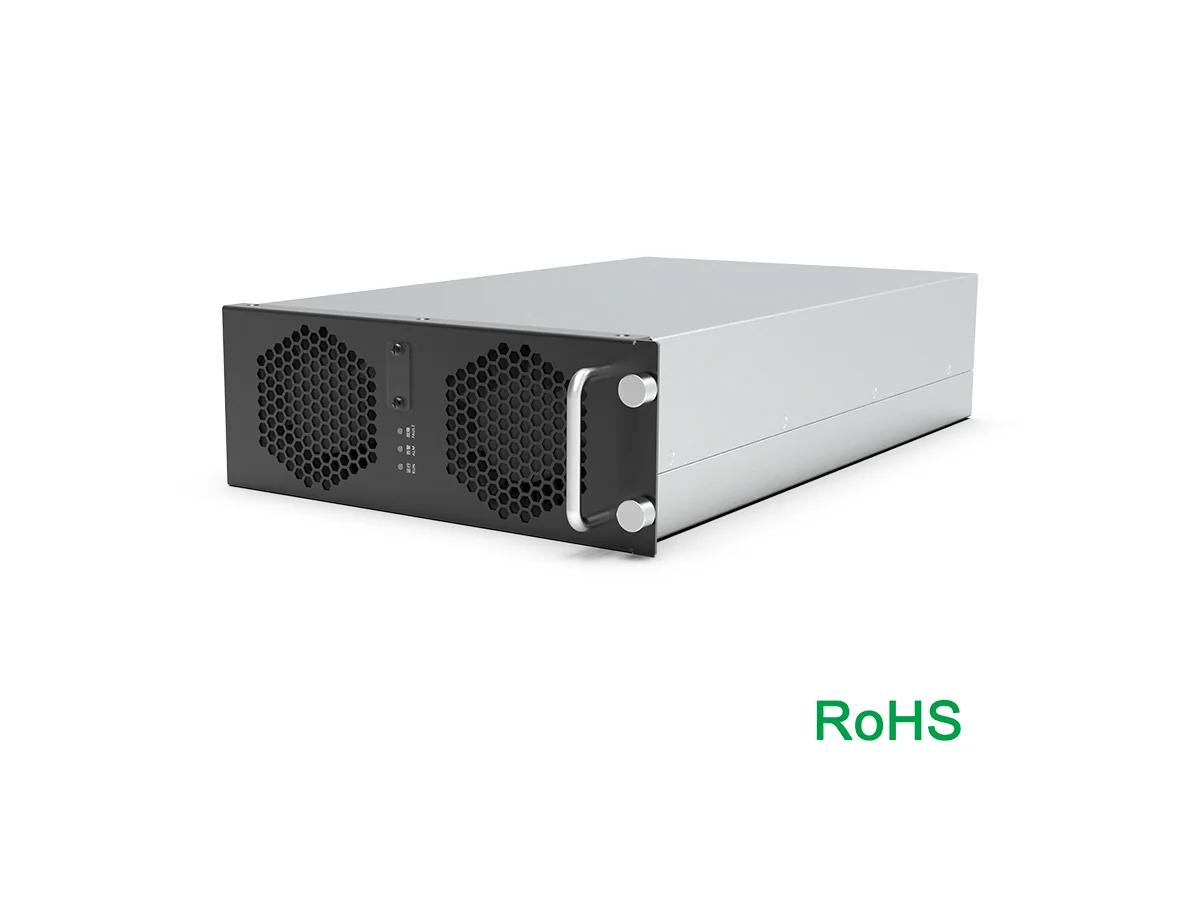
Let us use a simple lens: DC fast charging depends on power converters and heat paths that do not drift. SiC MOSFETs feel every degree; the DC bus feels every ripple. When airflow breaks or dust wins, performance sags. So we ask: what keeps temperature headroom wide and component stress low, day after day? (And what slips when fans are the only plan?) This article compares the design tradeoffs and shows why liquid-cooled stacks sustain output with less noise, less derate, and more margin. Please follow; we build from pain points to practical criteria next.
Under the Hood: Where Traditional Cooling Falls Short
Why do air-cooled stacks stumble?
Traditional air paths fight three things: rising inlet temperature, uneven airflow, and dust. Look, it’s simpler than you think. When intake air warms, the thermal resistance to ambient (RθJA) climbs, so hot spots form around the IGBT or SiC MOSFET packages. Fans ramp up, but pressure loss across dense fins limits gains. Meanwhile, the DC bus sits near its limit, and control loops begin to cap current to protect devices. In practice, you see early derating and a jitter in charge curves after back‑to‑back sessions. The result is not just slower kWh delivery. It is stress on capacitors, bearings, and seals—small blows that cut MTBF over time.
Liquid paths change the game by moving heat with a higher specific capacity medium and a stable delta‑T. A cold plate, microchannels, and a balanced coolant manifold pull heat from die to fluid to radiator with less fluctuation. That lowers RθJC and keeps junctions in a tight band even at high duty. Pumps and sensors (simple PID is enough) hold flow steady as loads swing. Noise drops. Dust matters less. And service windows extend because fans no longer carry the whole burden. For edge computing nodes inside modern cabinets, this stability also protects control boards that hate thermal cycling—funny how one fix shields many layers, right?
Forward Look: Principles That Keep Tomorrow’s Chargers Steady
What’s Next
The next wave leans on clean physics and smarter control. Microchannel cold plates spread heat flux uniformly, while dielectric coolant options reduce leak risk near live rails. A compact pump feeds a closed loop that is monitored by distributed sensors on the power stage. Algorithms watch delta‑T across the stack, match flow to load ramps, and predict fouling before it bites. In a comparative sense, air systems chase ambient; liquid systems set their own stable environment. That is why a cabinet built around the same module base can sustain higher duty cycles with lower acoustic footprint and fewer derates. When you scale a site, this consistency compounds across stalls (and across nights).
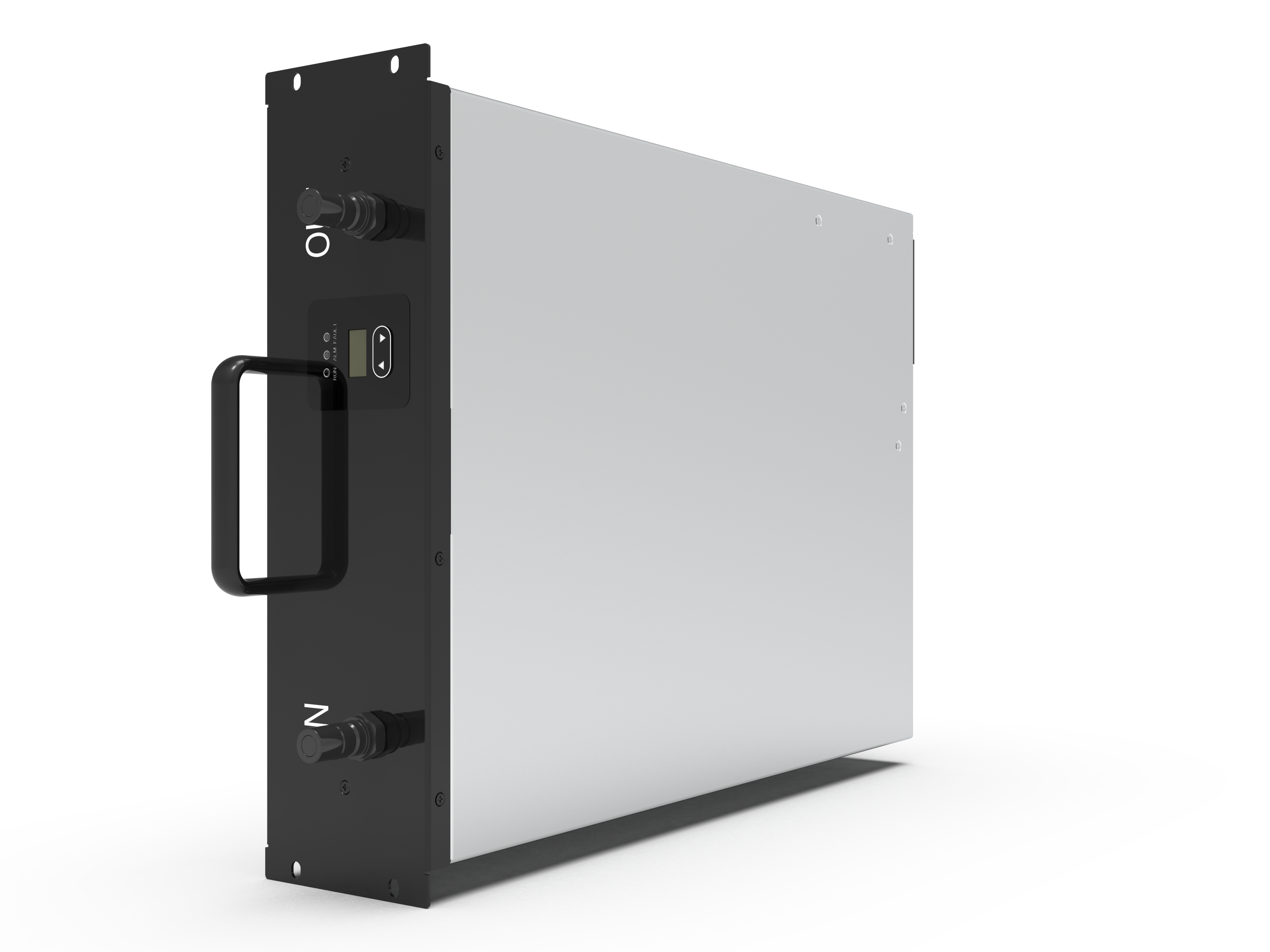
Translate that into deployment choices and you will see the path. A site tuned around the ultra fast charging station 30 layout adds headroom for summer peaks and fleet bursts. It also simplifies cabinet zoning, since heat is exported by fluid, not guessed by fans. Integration with local controllers and edge computing nodes helps forecast pump wear and keep spare kits ready—no drama, less downtime. To close, three practical metrics guide selection: 1) sustained delta‑T at rated load over a four‑hour duty cycle; 2) pump and fan power overhead as a percent of output at 25°C and 40°C; 3) verified MTBF and mean time to repair for the cooling loop, including seals and connectors. Choose well, and your charge curve stays flat—exactly what users feel more than any spec sheet. For deeper technical references and responsible designs, you may look to winline technology.