

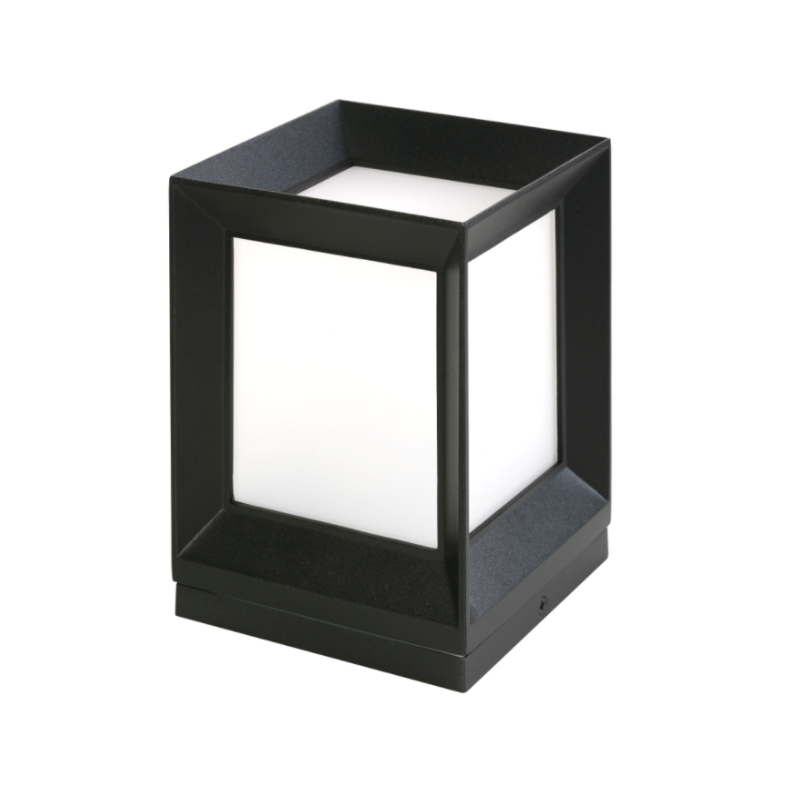
Why compare black pier mount lights now
In commercial projects, lighting decisions are strategic: they shape safety, brand perception, and operational cost. A comparative lens helps — especially when you evaluate modern outdoor pier mount lights versus legacy options. For waterfront promenades and plaza edges, the choice for black pier mount lights often balances photometric distribution, corrosion resistance, and the aluminum housing finish. It is important to consider both optical control and long-term maintenance when the specification will stand before public scrutiny — for example, many municipal upgrades along the Shanghai Pudong waterfront prioritized dark, low-glare fixtures to protect sightlines and reduce light trespass.
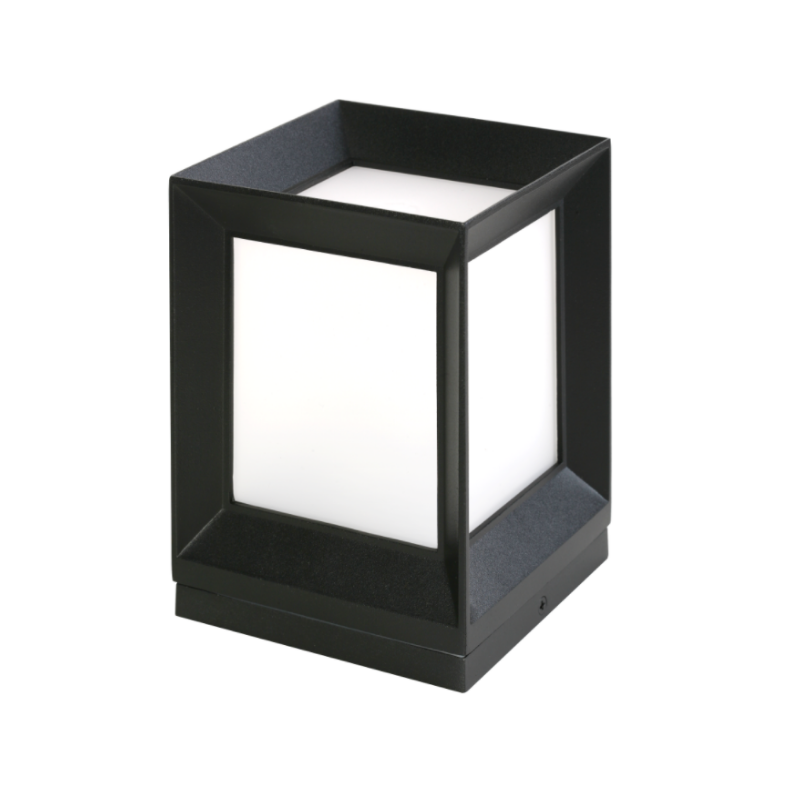
Key comparative dimensions
Three practical dimensions should guide comparison: optical performance, mechanical resilience, and lifecycle cost. Optical performance means verified lumen output and consistent correlated color temperature (CCT) across modules. Mechanical resilience looks at powder-coat durability, salt-spray resistance, and IP rating for marine environments. Lifecycle cost folds in initial hardware cost, expected LED module lifetime, and the ease of on-site service. These criteria turn subjective preferences into measurable decision points.
How aluminum design influences performance
Aluminum enclosures offer a good compromise: light weight, effective heat sink behavior, and sculpted forms for precise beam control. Photometric design matters — a shallow cutoff optic reduces glare on adjacent facades while a deeper optic focuses task illumination on walkways. Pay attention to the optical lens geometry and the fixture’s photometric distribution report. Many manufacturers now publish IES files; use them in a lighting calculation to avoid surprises at commissioning.
Real-world lessons from municipal retrofits
Municipal LED retrofits have taught clear lessons: measured energy savings are real and verifiable. The U.S. Department of Energy reports substantial reductions in outdoor lighting energy after LED conversions, and several citywide programs confirmed lower maintenance costs post-retrofit. However, the lesson is not only about bulbs — it is about fixture choice. Poor optical control can create light pollution even with efficient LEDs, and poor coatings will fail faster in salt-laden air. — Practically, choose black powder-coat systems with tested salt-spray performance and replaceable LED modules to protect your investment.
Alternatives and when they are appropriate
There are reasonable alternatives to black aluminum pier mounts. Stainless steel shafts with integrated shields can be chosen for extremely corrosive sites; painted cast-iron fixtures suit historic districts where period aesthetics matter. When the project prioritizes bespoke design, glass-accented lanterns may deliver the brand story, albeit with higher maintenance. For most commercial waterfronts seeking modern minimalism and serviceability, anodized or powder-coated aluminum offers the most balanced choice between cost, durability, and thermal performance.
Common specification mistakes to avoid
Spec writers often make three mistakes: overemphasizing initial price, under-specifying ingress protection, and skipping photometric verification. Low initial cost can mean poor thermal management and reduced LED lifetime. An IP rating misread will invite salt corrosion failures. And without IES-based layout checks, you risk noncompliant illumination levels or unacceptable glare. Require sample testing and a site mock-up when possible — it saves time and money in commissioning.
Advisory: three golden rules for selecting black pier mount lights
1) Validate optics with IES files and on-site lux studies — do not rely on vendor claims alone. 2) Specify mechanical endurance: insist on salt-spray test results, replaceable LED modules, and a clear warranty for powder-coat adhesion. 3) Use a total-cost view: combine unit cost, expected lumen depreciation, service intervals, and energy savings in one lifecycle model.
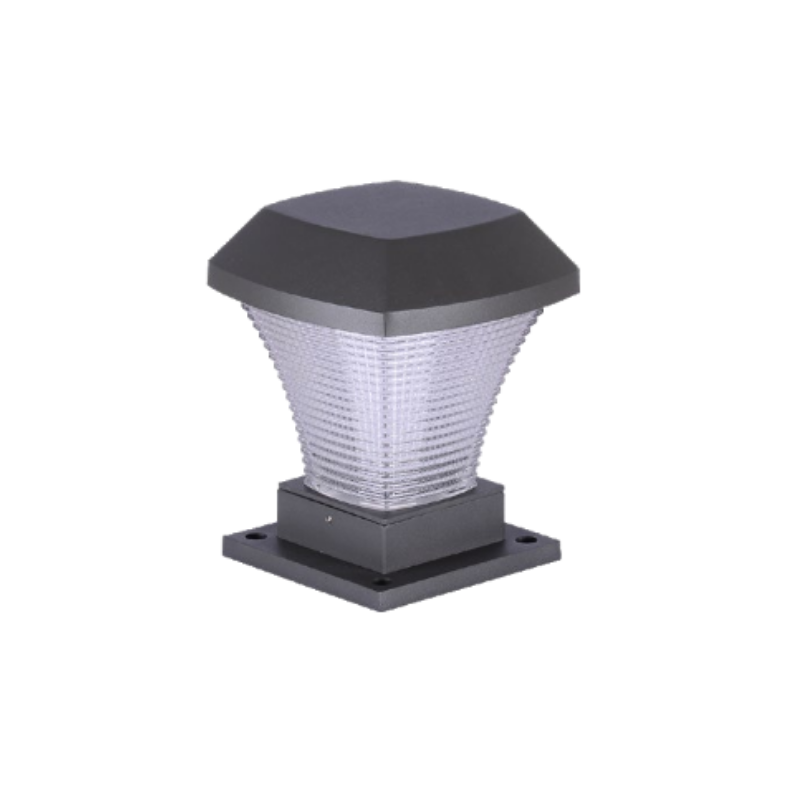
These evaluation metrics help the design team and the owner align on measurable outcomes — superior light control, lower maintenance, and predictable operating cost. In many commercial waterfront projects, that alignment points naturally to fixtures and systems offered by manufacturers who document photometry and durability — and who support designers through specification and commissioning. Keyida. —