

Introduction: Deadlines, Heat, and the Real Cost of a Bad Battery Bet
I’ll start plain. When a site goes live, either the batteries behave or they burn your schedule. Energy storage battery companies look similar on paper, yet performance in the field splits fast. After sixteen years running B2B storage procurement and commissioning, I’ve seen both sides of that split, from port delays to firmware snags. If you’re weighing an energy storage lithium battery supplier, the brochure won’t warn you about harmonics on a crowded DC bus or a BMS that refuses to handshake with your power converters. Look, here’s the blunt truth: the wrong match costs weeks, not days. And it sneaks up at 2 a.m. when alarms fly and no one can reach tier‑2 support (been there).
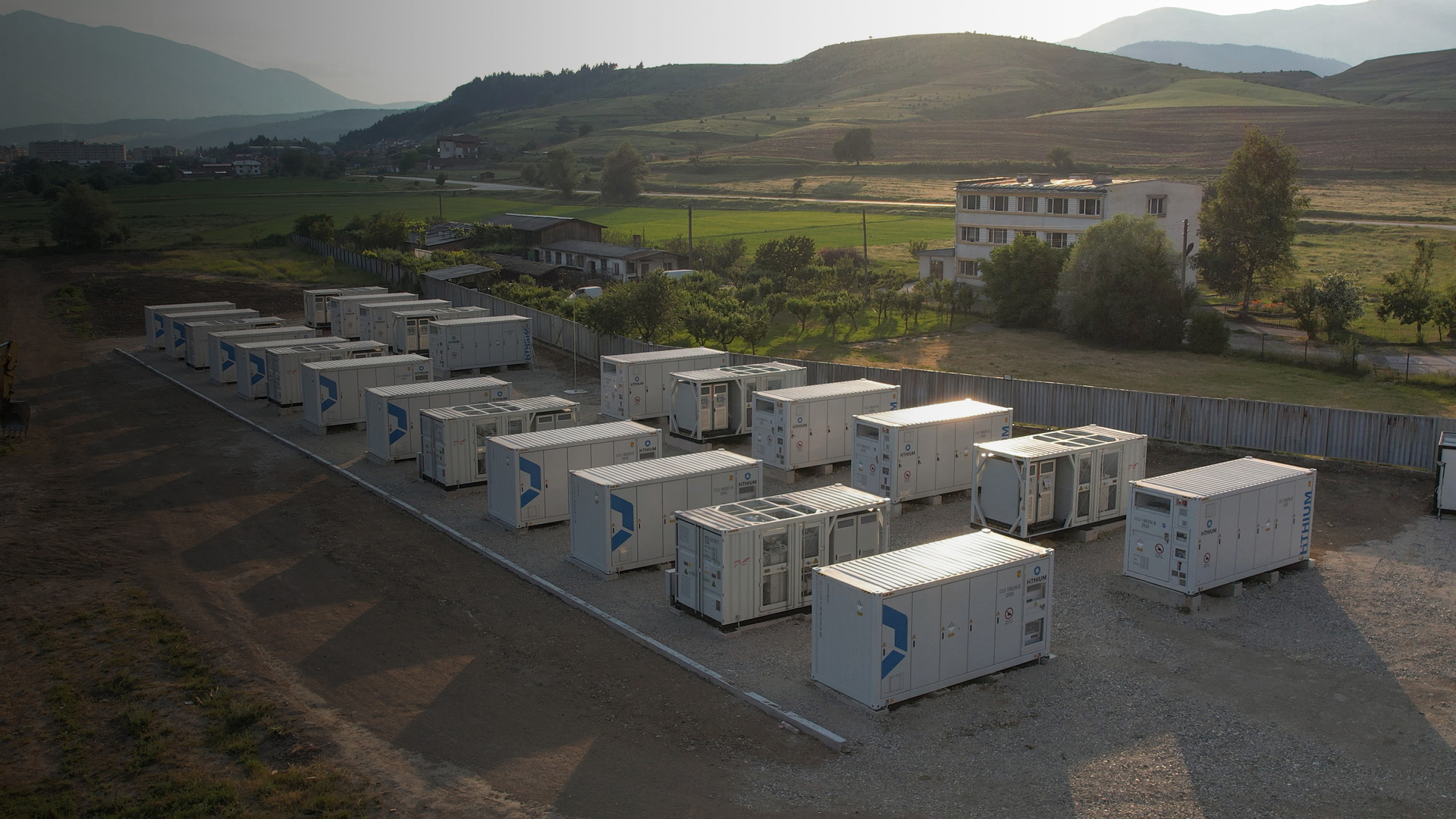
Here’s the data I keep taped to my notebook: a 2% hit to round‑trip efficiency on a 100 MWh site can wipe out six figures a year in value; a single mismatch between BMS firmware and PCS control can halt commissioning for 48 hours; and a late container in peak summer can mean heat‑soak derates that drag output by 10% in the first month. So I ask every buyer the same thing: are you checking for the friction you can’t see in the quote? Let’s get past the glow of spec sheets and into the decisions that actually keep projects on time—and on grid.
What Most Buyers Miss: Hidden Friction That Bleeds Time and Margin
I remember a Saturday in August 2022, Bakersfield yard, 38°C by 10 a.m. We had seventeen racks ready, but the BMS wouldn’t talk to the site PCS over Modbus TCP. It wasn’t a fatal flaw. It was a tiny register map mismatch. We lost a full day while two teams pushed patched configs. That sight frustrated me because it was avoidable with a pre‑flight protocol check. This is the quiet pain of “almost compatible” systems. Cells were fine. The wiring was neat. The project burned cash anyway. And yes, I winced—2019 flashed in my head when an air‑cooled container derated 12% at 45°C ambient.
Traditional fixes—oversize the HVAC, widen SOC windows, pray for cool nights—hide bigger flaws. I keep seeing three: sloppy cell binning that drifts SOH across strings; firmware silos where BMS, EMS, and PCS speak near‑dialects; and thermal paths built for spring weather, not desert sites. In 2021 in Xining (2,200 m elevation), a vendor skipped altitude derate tests and the pack fans choked on thin air. We measured a 9% capacity shortfall at peak discharge, and the client had to rework dispatch bids. UL 9540A test reports existed, but they didn’t model the real enclosure stackup. Here’s the punch line—unpleasant as it is: hidden friction steals margin even when nothing “fails.” It just eats a little every day, and then a lot when storms hit.
What’s Next: Principles That Actually Move the Needle
So, where does the edge come from now? From tighter engineering loops and better physics in the box. I favor liquid‑cooled LFP racks using 280–314 Ah prismatic cells, with pack‑level pressure relief and rack‑level smoke sampling. When we shifted a 50 MW/100 MWh retrofit in Pecos County, TX (Q3 2023) to liquid cooling, site logs showed a 21% drop in HVAC load and a 1.8% gain in round‑trip efficiency over 90 days. Not theory. Measured by the EMS. Add SiC‑based power converters and you shave switching losses at partial load—small bites that add up across a hot summer. And when edge computing nodes sit near the racks, you get faster fault isolation than a cloud‑only EMS—one January night I watched a node quarantine a noisy string in under three seconds, and we kept frequency response online.
Comparatively, the newer suppliers who design the BMS and PCS integration as one system beat the mix‑and‑match approach. Their CAN gateways and Modbus maps are versioned, and the EMS comes with tested profiles for common PCS brands. You feel it on site: fewer “unknown alarm” codes, smoother ramping to a 0.5C dispatch, and less time scraping logs. A capable energy storage lithium battery supplier will also show you UL 9540A results paired to the actual container bill of materials, not a cousin product. Bonus points for IEC 62933 safety cases and step‑wise FMEA. I’m also bullish on modular DC/DC building blocks for DC‑coupled solar—stackable, with hot‑swap trays—because they isolate faults and keep arrays feeding the DC bus while you service a rack. A brief aside—during a March 2024 outage drill outside Yuma, we swapped a power module in 14 minutes, gloves on, and never tripped the feeder. That’s the kind of resilience you can plan for.

Real‑world Impact
When you stitch these principles together, sites act different. Fewer derates in heat. Cleaner comms between BMS and PCS. Predictable ramp rates. I’ve watched annualized uptime hold at 99.97% on a Nevada data‑center microgrid only because the supplier baked in granular diagnostics at the rack and tied them to EMS rules. Sounds small—until a single nuisance trip costs a mega‑client SLA money and your weekend.
How to Choose: Three Metrics I Use Before Signing
I don’t pick on promises; I pick on proof. Use these three checks to sort the leaders from the noise. First, integration depth: ask for a written matrix of tested PCS brands, firmware versions, and EMS profiles, plus a lab report showing fault‑handling times under comms loss; under 5 seconds to safe mode is my line in the sand. Second, thermal performance under stress: demand container‑level data at 40–45°C ambient with 0.5C continuous discharge; look for less than 2°C delta across the rack face and quantified HVAC loads per MWh. Third, serviceability speed: require a time‑stamped procedure for hot‑swap of a module or contactor, with a target under 20 minutes and no full‑string shutdown. If a vendor dodges any of these, I pass—my crews and clients deserve fewer late‑night emergencies, not more. And if you want a solid reference point as you benchmark, I’ve found the documentation and on‑site behavior from HiTHIUM to be a useful yardstick in real projects.