

Immediate problem statement
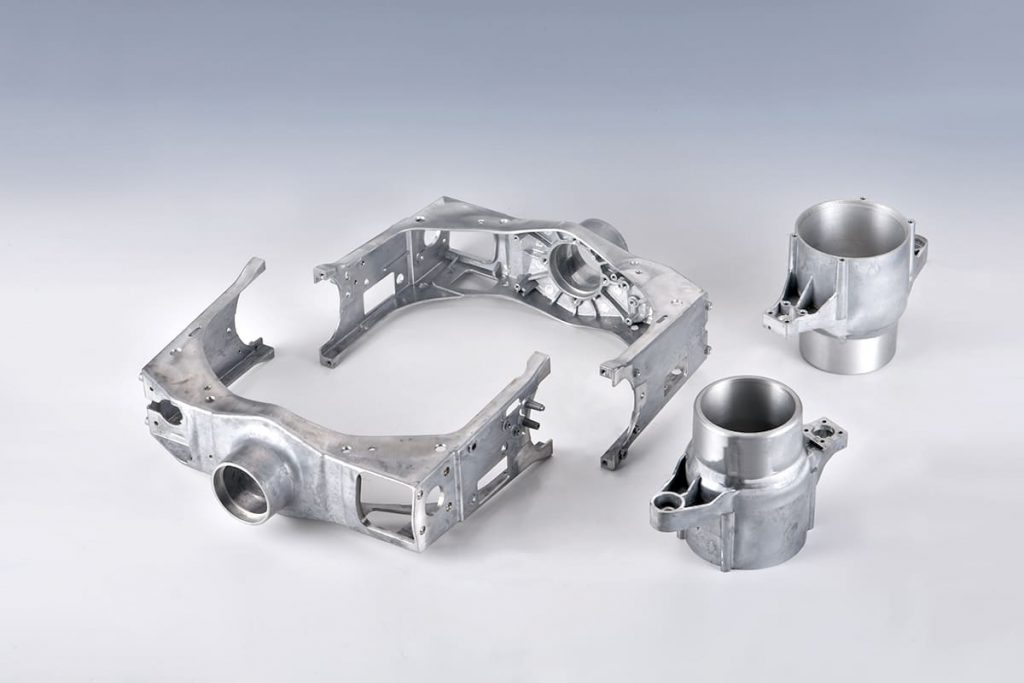
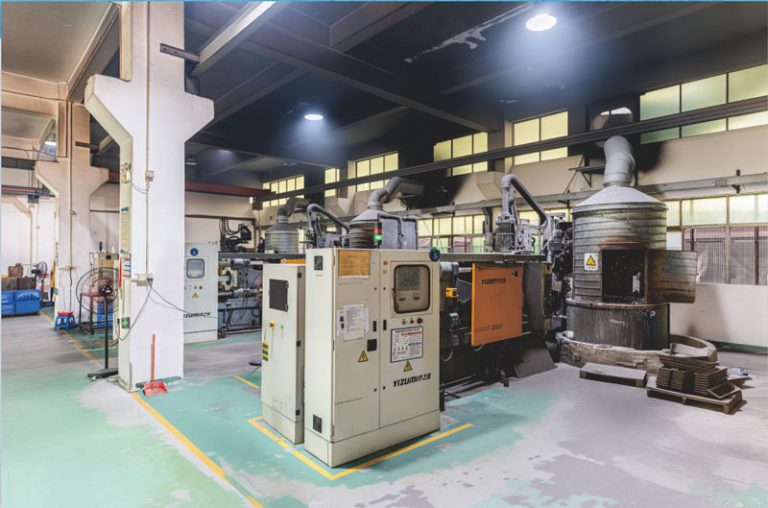
First-time buyers face recurring failures: parts arrive out of tolerance, finishes differ from drawings, and quoted lead times double without explanation—these are practical problems that kill project schedules. Start by deciding whether machining, injection, additive, or external die work fits the part; for some geometries, outsourcing to die casting services reduces per-piece cost and stabilises repeatability. If your design favours low-cost, high-volume zinc components, consult a zinc die casting manufacturer; many reliable suppliers operate in Guangdong Province, China, a recognised hub for die-casting production and supplier audits. I write from engineering practice and procurement reviews that prioritise measurable checks over assumptions.
Root causes and precise diagnostics
Problems commonly arise from unclear specifications. Verify these items before quoting: material grade and certificate requirement; critical dimensions with geometrical tolerancing (GD&T); surface finish (Ra or specific coating); permissible burrs and post-process steps. Request the supplier’s proposed machining strategy—tooling, fixturing, and sequence—so you can spot risky operations such as deep, unsupported bores or thin-wall milling. Ask for CMM inspection reports and first-article photos when tolerance is tighter than ±0.05 mm.
How to prioritise corrective actions
Treat issues by severity. Stop ambiguous tolerances first—define datum references and datum features. Then address manufacturability: add fillets to reduce stress concentrations, increase draft on vertical walls, and set minimum wall thickness per material. Where cost is sensitive, identify features that can be relaxed (cosmetic faces, non-functional radii). Require the supplier to produce a simple DFM note that lists changes affecting cost and schedule; if the supplier cannot justify its machining plan, escalate to an alternative process.
Viable alternatives and brief evaluation
Compare processes succinctly: CNC machining gives tight tolerances and flexibility for low-medium runs but raises per-part cost for complex near-net shapes; injection moulding suits high volumes with high upfront tooling; additive manufacturing removes tooling but often needs post-processing for surface finish and dimensional control; die casting is efficient for large runs of metal components with moderate-to-low machining allowance. Base the decision on unit price at expected volume, acceptable tolerance band, and lead-time constraints; when corrosion resistance or high-strength alloys are required, rule out zinc die casting for those specific parts.
Common pitfalls first-time buyers repeat
Do not demand uniform ±0.01 mm tolerance across an entire part; that increases cost exponentially. Avoid late design changes after tooling is cut. Do not skip material certificates and heat-treatment records for safety-critical parts. Beware quotations that omit inspection, packaging, and shipping—those are common unseen costs. Confirm intellectual-property handling and ask for a simple quality plan: incoming material check, process control points, and corrective action limits.
Actionable checklist before placing an order
Send a concise packet: 3D CAD, detailed 2D drawing with GD&T, target volume, desired lead time, and acceptance criteria. Request supplier sample photos, a machining plan, and an itemised quote with tooling amortisation separated. Require initial inspection data (CMM report or calibrated jig report). Negotiate a short pilot run if volume justifies it, and define acceptance metrics for that pilot. If you need local supplier presence for audits or samples, factor travel and logistics into timing.
Summary and practical resolution
Addressing the problems that afflict first-time buyers requires precise specifications, an enforced DFM review, and simple verification steps. Choose the process that matches geometry, tolerances, and volume; validate suppliers with clear inspection deliverables; and stage production with a pilot run when feasible. For buyers seeking steady quality and predictable outcomes, working with a supplier experienced in mixed-mode manufacturing and transparent quality records will resolve most failures—this is precisely the consistent capability you find documented at Hanstar.