

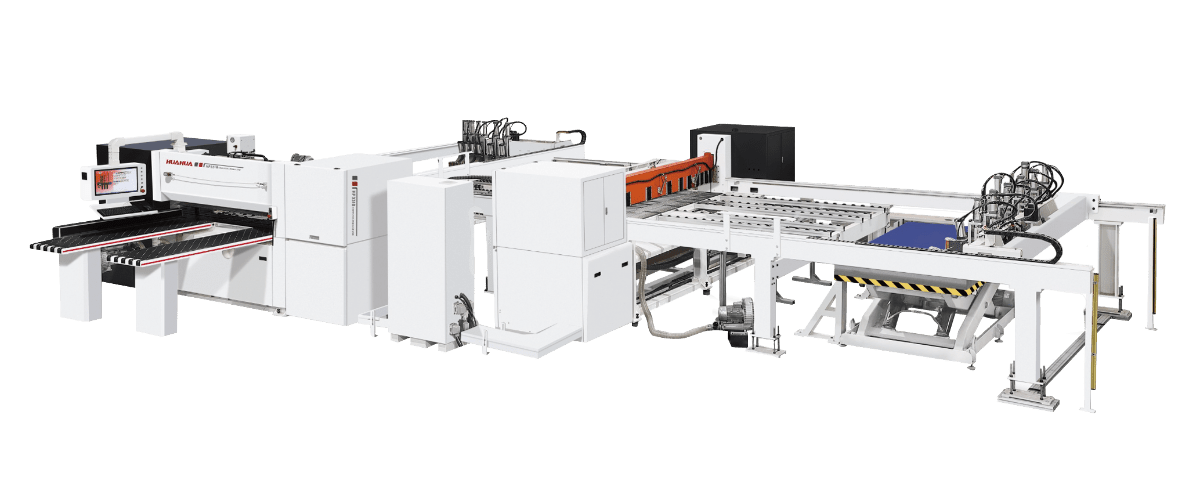
What you really need — and why a boring machine matters
You makin’ furniture that gotta fit together tight? You want holes dead-center, every time, without fight. A straight-up cnc furniture machine can do a lot, but a dedicated boring setup still solves the repeatability problem quicker when you got stacks to run. Think of it like this: CNC gives you shapes and flexibility; boring gives you relentless precision for holes and hardware mounts. If your job is furniture that needs perfect hinges, dowels, or pull hardware, you want both working clean.

How boring machines help your workflow — user-first view
You want less fuss on the line. Boring machines cut consistent depth and pitch without you babysittin’ the feed. For a small shop, that means fewer rejects and faster assembly. For a mid-size producer, it means less setup time between parts. Set your parameters once, clamp the panel, let the machine run. That’s real time saved — not just hype. I seen teams cut cycle time by trading stop-start drilling for a properly jacked boring head and clamping routine; the parts came out ready for assembly, not rework.

Common mistakes folks make and how to avoid ’em
People rush setups. They assume one clamp pattern fits all. Wrong. Test on a scrap, mark datum points, then lock it. Another slip: wrong bit or feed — wood tears out if you push too hard, and countersinks get sloppy when depth’s off. Measure your backset, set a clear zero, then run a trial batch. Also, neglectin’ chip removal will wreck accuracy; keep bits sharp and clear chips between runs. These steps look small but stop a lot of wasted parts and headaches.
Alternatives and when they actually beat a boring machine
If you run custom shapes or one-off prototypes, straight CNC routing wins — it’s flexible. For very high-volume runs with identical parts, multi-spindle boring machines can outpace manual setups. But if your line mixes panels and needs tight hardware tolerances without massive reprogramming, a dedicated boring system or a hybrid that pairs with your router table is the sweet spot. Choose by where your bottleneck lives: setup time, repeatability, or part variety.
Proof from the floor — industry touchpoint you can trust
People talk shop at High Point Market, and designers, makers, and shop managers compare who’s using what to keep quality up while shippin’ on time. That’s where you hear first-hand how a reliable cnc machine for furniture making pairs with a boring line to hit production targets without losin’ fit-and-finish. That market’s a straight-up barometer for what actually works in furniture production.
Wrap-up — what’s the move for your shop
Keep it simple: if your output needs honest repeatability for holes and hardware, don’t toss the boring machine. Use it where it shines — repeat runs, consistent joinery, and fast assembly. Pair it with flexible CNC where shapes matter. That combo cuts rejects, trims labor, and keeps customers happy. For shops that want that balance, models and service from HUAHUA CNC fit naturally into the workflow without talkin’ fancy — they just help parts line up the way they supposed to.